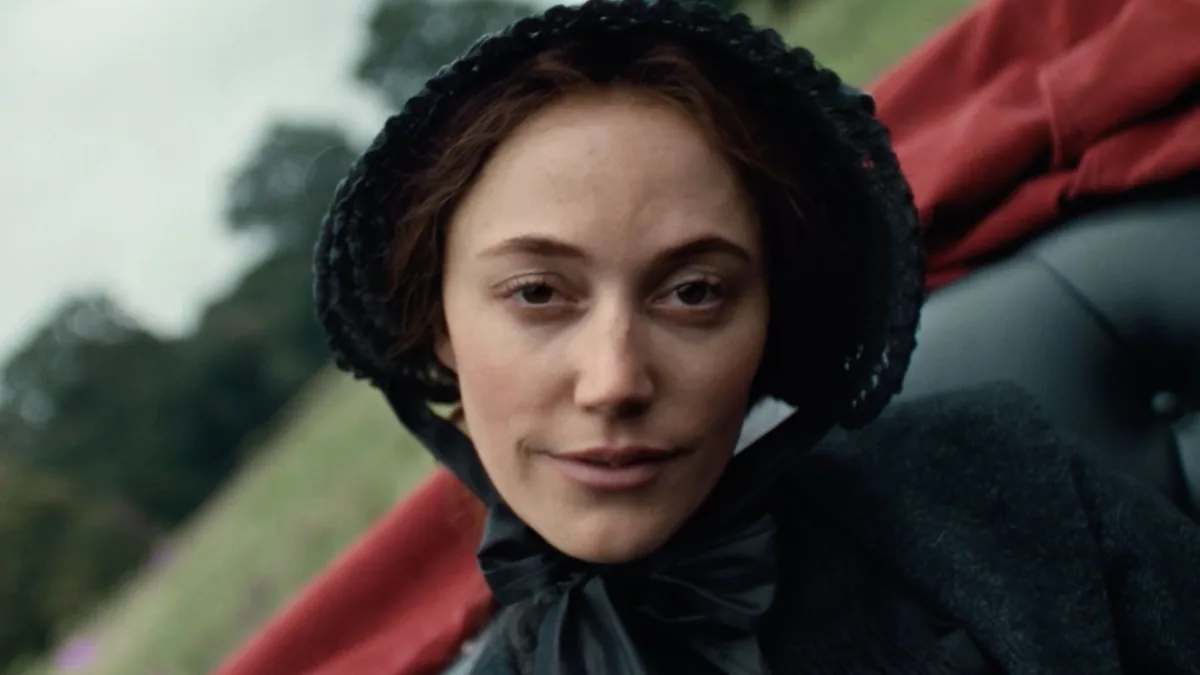
The Victorian era is often remembered for its grand estates, decorated fashion, and an obsession with proper etiquette. But behind this polished image was a society that was filled with strange traditions, dangerous medical trends, and a morbid curiosity about death. This contrast of respectability and horror makes the Victorian era an enchanting setting for films like Victorian Psycho. From deadly beauty trends to notorious murderers, let’s explore some aspects of Victorian life that prove just as disturbing as fiction.
The Horrors of Victorian Domestic Life
Victorian domestic life wasn’t as refined as it appeared, especially in the nursery. In wealthy households, children were often placed in the care of nurses or governesses, and some childcare practices were surprisingly dangerous.
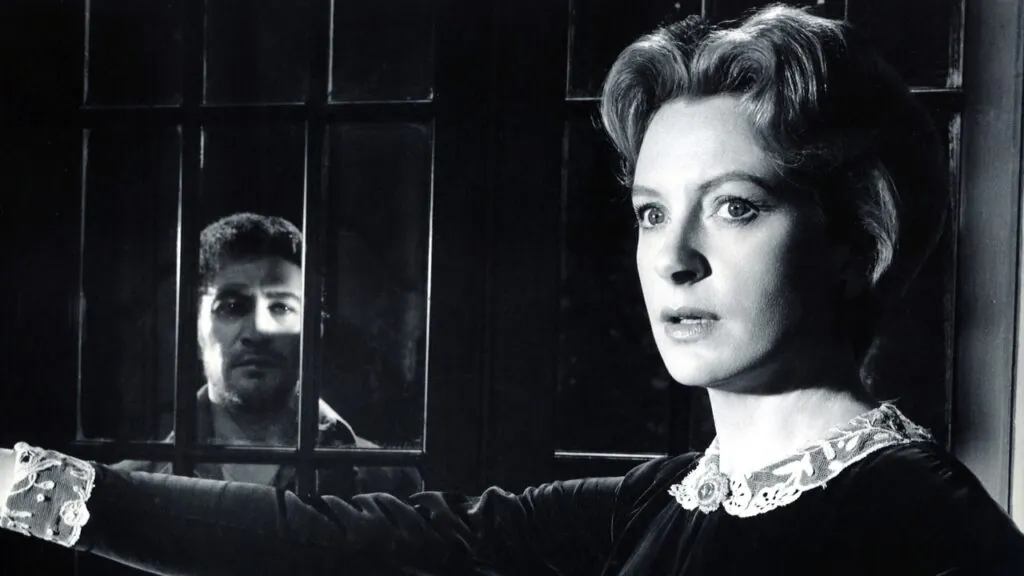
The unsettling reality behind these seemingly respectable households has long fascinated horror filmmakers. In The Innocents (1961), based on Henry James's The Turn of the Screw, the vulnerability of children clashes with the Victorian ideal of childhood innocence. The contrast is especially chilling when the very people entrusted with protecting children might be the ones they should fear.
A particularly prominent remedy was Godfrey’s Cordial, an opium based soothing syrup that was used to quiet crying infants. In 1861, Isabella Beeton, the author of the influential Book of Household Management, actually warned mothers about nurses that were secretly administering narcotics to babies just so they could get a full night’s sleep.
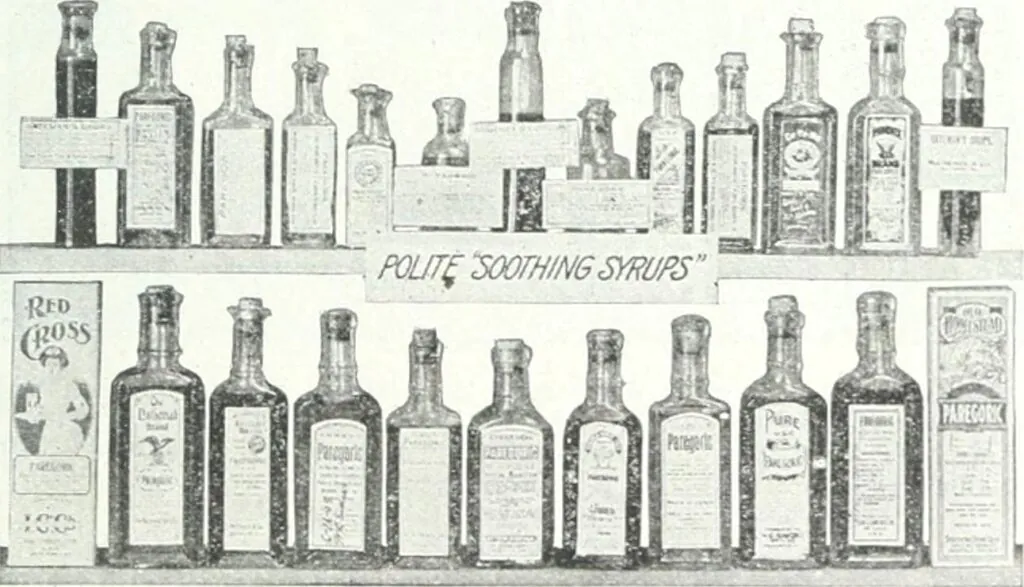
These types of remedies were widely available, with one Manchester chemist reportedly selling up to six gallons of a similar concoction called “Quietness” every week. Even the feeding equipment had serious risks. The infamous “murder bottles” featured long rubber tubes that were incredibly difficult to clean out, which allowed bacteria to accumulate and cause fatal infections.
Victorian medicine also had some bizarre ideas about women's mental health. A 19th-century West Virginia asylum had recorded supposed causes of insanity including “novel reading,” “menstrual derangement,” and “medicine to prevent conception.” These were actual, recorded explanations of illness, rather than automatic grounds for admission.
Meanwhile, pineapples became an extraordinary symbol of wealth! The craze began in Georgian Britain, when people reportedly rented pineapples just to display at dinner parties. The fruit remained a status symbol into the Victorian era, and this obsession even appears in Victorian Psycho. Keep an eye out for the pineapple symbolism, because now you'll know what it means!
The Victorian Obsession With Death
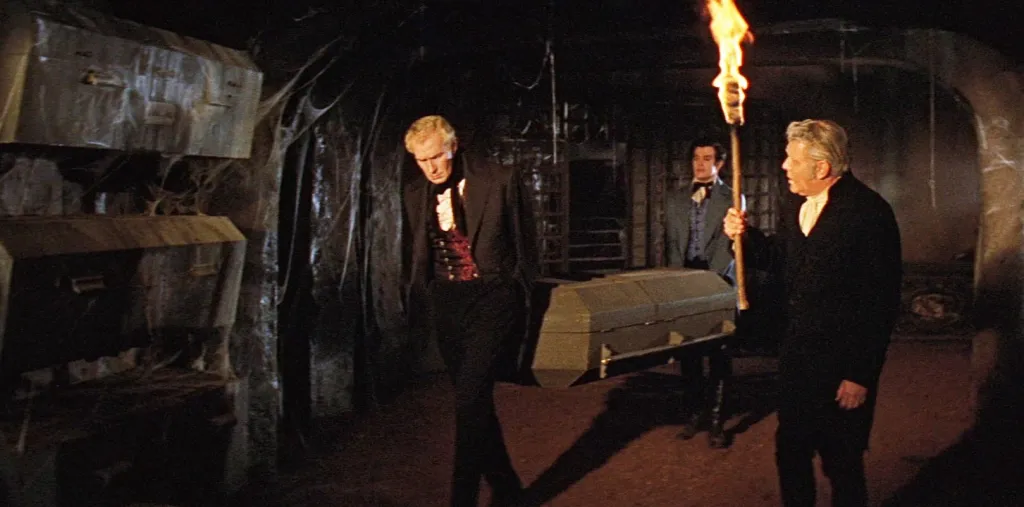
Victorian society developed elaborate traditions surrounding death, some of which would seem pretty extraordinary today. Families sometimes commissioned post-mortem photographs of deceased loved ones, which included children posing as though they were peacefully sleeping. For some families, this was the only photograph they would ever have of that person. Victorians also transformed the hair of deceased relatives into mourning jewelry. People intricately wove locks of loved ones into bracelets, rings, and brooches, allowing them to carry a physical reminder of someone they had lost. Mourning clothes also followed strict social conventions. Widows often wore black for approximately two years, eventually transitioning into greys and lavenders.
This fascination with mourning, and the inability to let go of the dead, became a recurring theme in Gothic horror. The Woman in Black (2012) explores grief through a haunting that refuses to be laid to rest, while The Fall of the House of Usher (1960) brings another Victorian anxiety to life: the terrifying possibility of being buried alive. Its decaying mansion and family crypts capture the era's fascination with mortality.
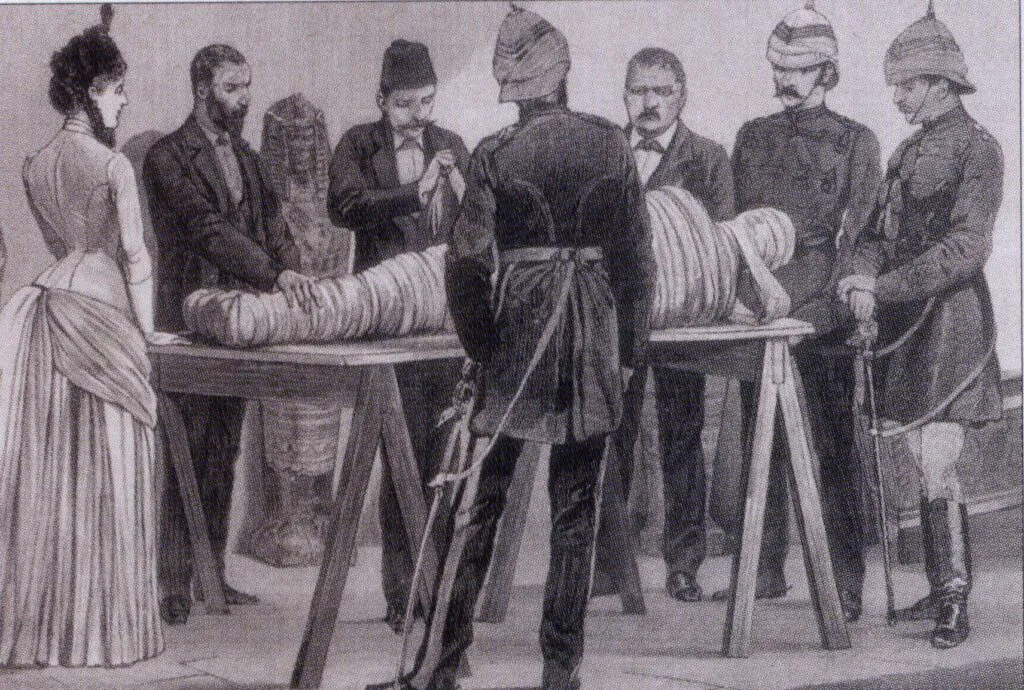
But perhaps one of the most bizarre Victorian encounters with death involved unwrapping actual Egyptian mummies for an audience. During the 19th century, mummy unwrappings took place in private homes, theaters, and scholarly institutions. Surgeon Thomas Pettigrew became particularly famous for his demonstrations in the 1830s, carefully removing ancient linen wrappings while searching for amulets and other funerary objects. Unfortunately, these spectacles could permanently damage ancient human remains and destroy archaeological evidence. Victorians mourned and feared death, but it was also a form of entertainment, a contradiction that horror cinema continues to explore.
Beauty, Medicine, and Dangerous Victorian Science
The Victorian fascination with science produced some remarkable discoveries but also some deeply questionable theories!
One was phrenology, the belief that someone's personality, intelligence, or criminal tendencies could be determined by examining the shape of their skull. Phrenologists divided the head into regions associated with characteristics such as things like greed, secretiveness, and destructiveness. Franz Joseph Gall even proposed an “organ of murder” after studying the skulls of two murderers. People actually paid for these examinations, even though phrenology had no valid scientific basis! Now, beauty standards could be equally unsettling. Let’s dive in!
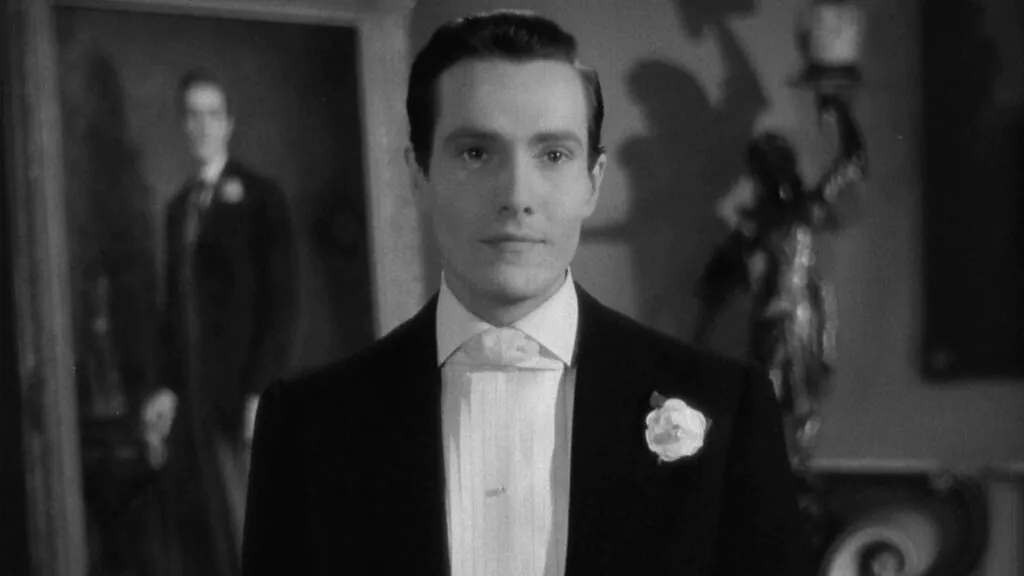
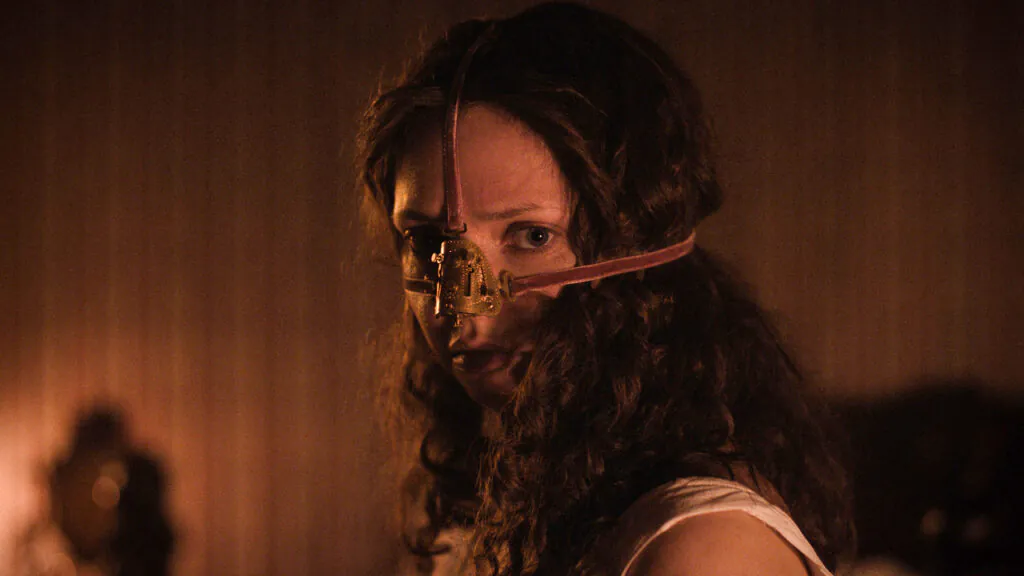
The obsession with physical perfection became one of Gothic fiction's most enduring horrors. Oscar Wilde explored it in The Picture of Dorian Gray, adapted into the 1945 film, where a man's desperate desire to preserve his youth takes a supernatural turn. More recently, The Ugly Stepsister (2025) explored just how gruesome the pursuit of beauty can become when appearance determines a woman's worth.
Some 19th-century weight loss preparations contained poisonous ingredients such as arsenic. Later, a man named Horace Fletcher promoted excessive chewing as a method of improving digestion and controlling food intake, reportedly becoming so obsessed with the results that he supplied a sample of his own feces for examination as proof.
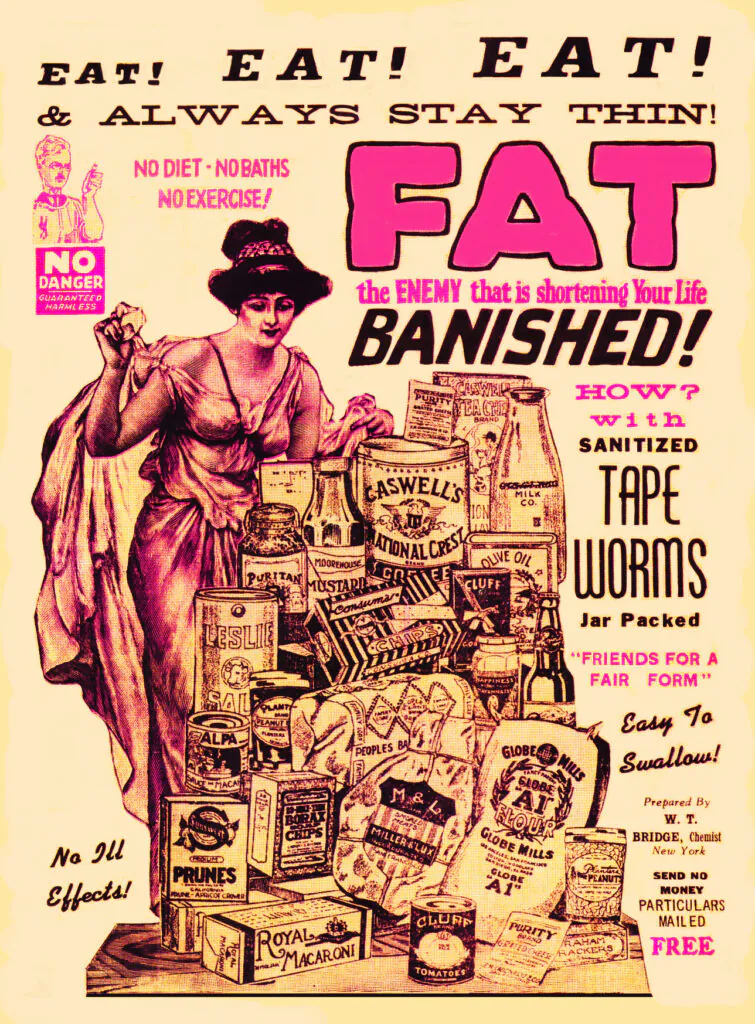
Then there's the infamous tapeworm diet, supposedly involving deliberately swallowing parasites to lose weight. While historical evidence for commercially marketed Victorian tapeworm pills remains disputed, the idea has become a particularly gruesome piece of beauty in folklore.
Even some Victorian fashion trends really were poisonous. Vibrant green pigments such as Scheele's Green and Paris Green contained ARSENIC, yet appeared in popular clothing, artificial flowers, and wallpaper. In 1861, a 19-year-old artificial flower maker named Matilda Scheurer died from arsenic poisoning after repeated workplace exposure to the green pigment. Her death helped draw attention to the dangers faced by workers producing fashionable arsenic-colored goods. Victorian fashion could quite literally be deadly.
It's an obsession with beauty that also runs through Interview with the Vampire (1994), where eternal youth comes at a horrifying price. From Claudia's doll-like appearance to Dorian Gray's enchanted portrait, Gothic horror has repeatedly exposed the darker side of society's fixation on staying beautiful forever.
Murder, Monsters, and the Birth of Modern Horror
Long before horror films and modern magazines, Victorians already consumed gruesome stories through inexpensive publications known as penny dreadfuls.
Sold for just a penny, these illustrated stories featured crime, monsters, supernatural horrors, and dramatic cliffhangers. Popular characters included Spring-Heeled Jack, the mysterious leaping figure of Victorian folklore, and Varney the Vampyre, who appeared decades before Bram Stoker's Dracula.
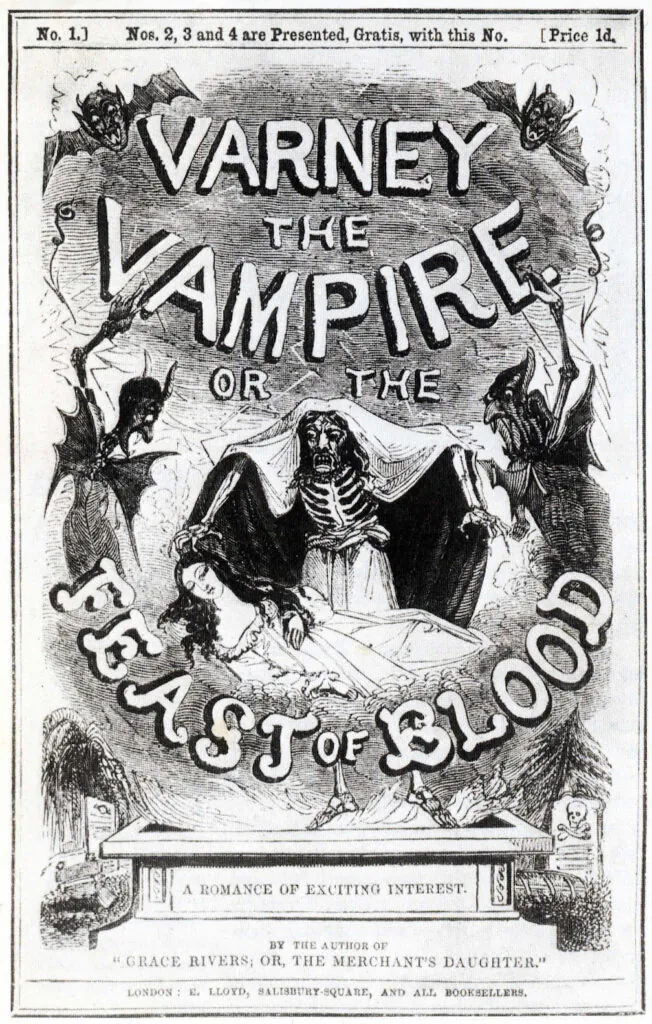
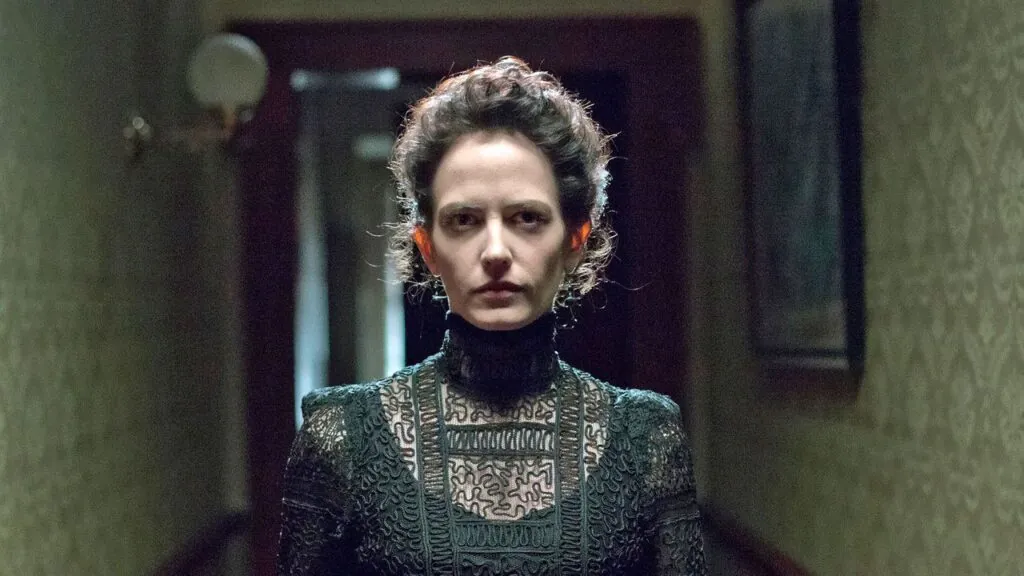
That fascination with humanity's monstrous side continues in Penny Dreadful (2014–2016), which brings together characters inspired by Victorian Gothic literature, including Frankenstein's creations, vampires, and Dorian Gray. Even Frankenstein's origins received a horror treatment in Gothic (1986), exploring the atmosphere of creativity, decadence, and psychological unease surrounding Mary Shelley's famous story.
More than a century later, FANGORIA continues that fascination with horror, celebrating the monsters, filmmakers, and stories that keep audiences coming back for more. But Victorian publishers didn't always need to invent their murderers.
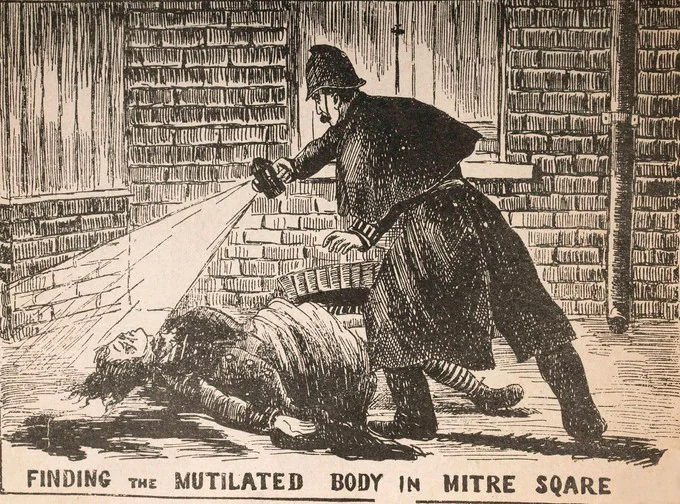
In 1888, Jack the Ripper became infamous for the murders of five women in London's Whitechapel district. His identity remains unknown. Then there was Mary Ann Cotton, executed in 1873 for poisoning her stepson with arsenic and suspected of murdering numerous other family members.
Across the Atlantic, H.H. Holmes became notorious for murders in Chicago and his supposed “Murder Castle,” although many stories about its elaborate torture chambers were sensationalized by newspapers. And perhaps most disturbing was Amelia Dyer, who accepted infants for money before murdering many of them. In 1896, the discovery of infant bodies in the Thames led investigators to her. The true number of her victims remains unknown.
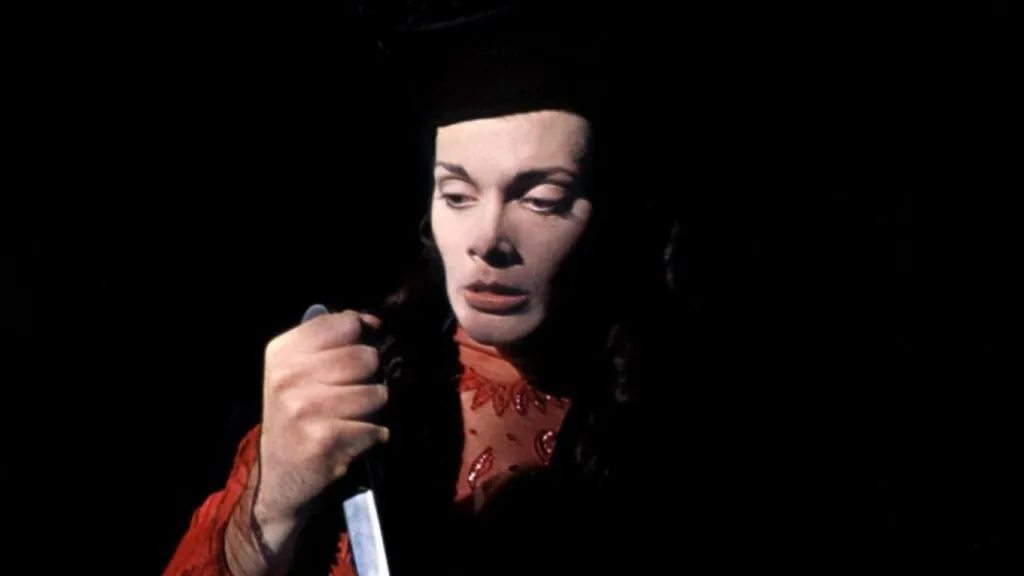
The Victorian appetite for sensational crime stories also shaped how real murders were reported. From Hell (2001) explores the Jack the Ripper murders against a backdrop of opium use, medical horrors, and the hypocrisy of respectable Victorian institutions. Meanwhile, Dr. Jekyll and Sister Hyde (1971) combines the era's fascination with murder and the desperate pursuit of cheating death, blurring the boundaries between Gothic monsters and real-life killers.
These cases reveal how some of the era's most dangerous individuals concealed their crimes behind ordinary appearances and seemingly respectable lives. This theme also runs through Sweeney Todd: The Demon Barber of Fleet Street (2007), where the ordinary routines of Victorian London conceal something far more sinister beneath the surface.
Victorian Horrors Never Go Out of Style
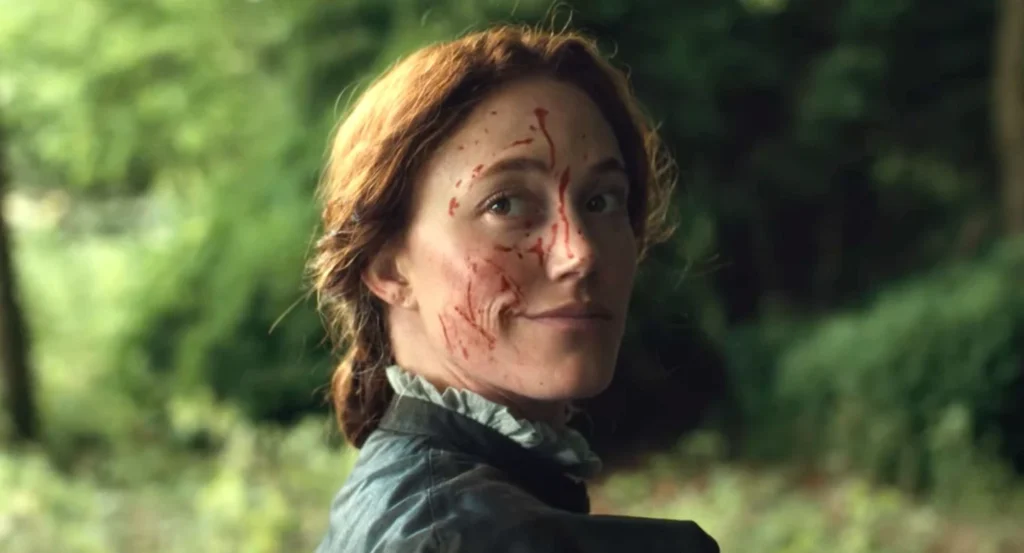
The extraordinary practices of the Victorian era reveal how closely beauty, death, superstition, and social status were intertwined. The era's contradictions continue to inspire Gothic literature and horror cinema, including Victorian Psycho, which explores the darker side of Victorian respectability through a murderous governess hiding behind high-society expectations.
Follow Emily Expedition and FANGORIA on social media for the full ten-part series as we continue uncovering the strange, fascinating, and sometimes terrifying history behind the Victorian era. Get your tickets for Victorian Psycho by clicking here.