
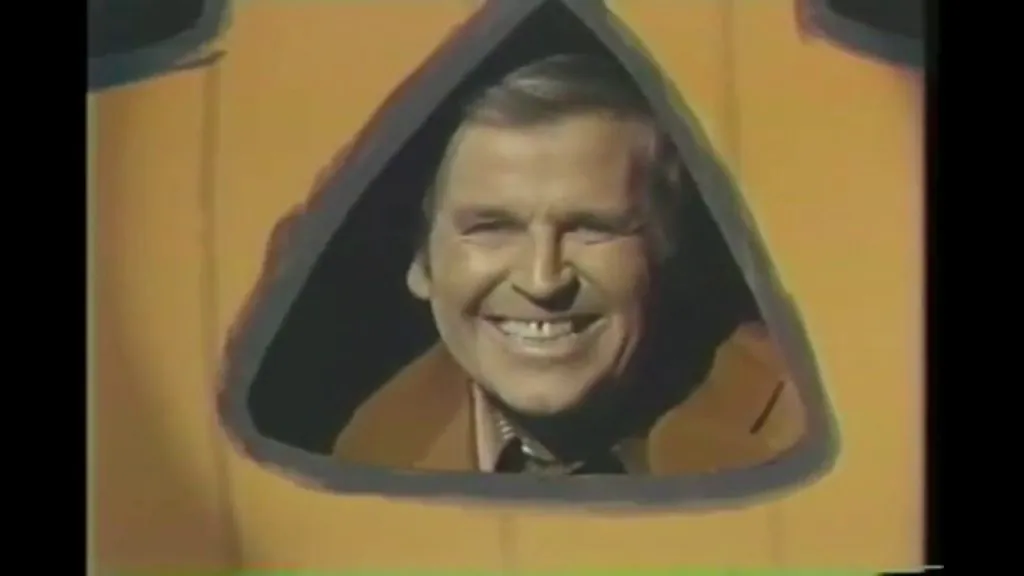
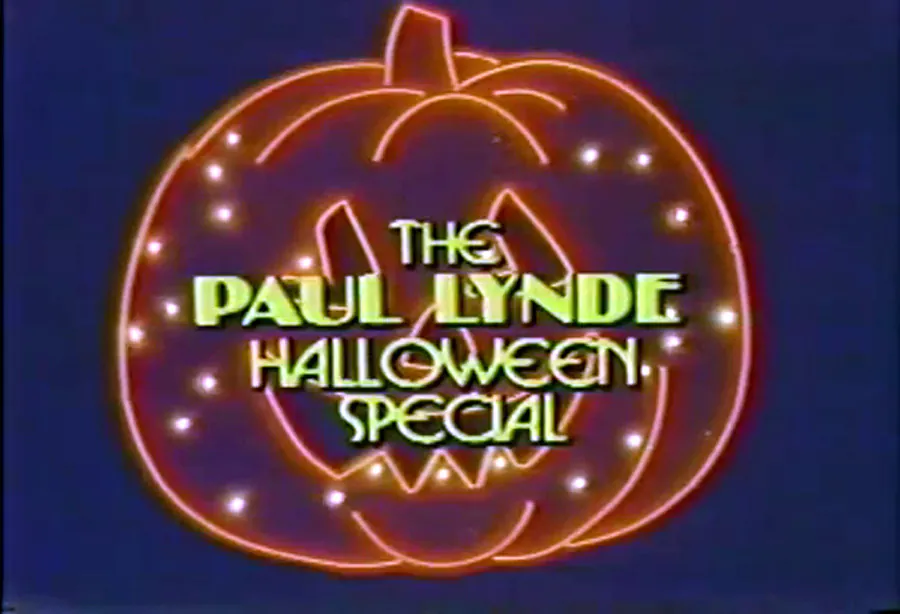
On October 29th, 1976, the ABC television network inadvertently delivered not one, but two future cult curiosities, all thanks to a double feature of particularly peculiar programming.
Presumably, the evening’s main event was set to air at 9 pm: the world premiere of the made-for-TV movie Look What’s Happened to Rosemary’s Baby. Though relegated to niche interest in the modern era, the first-ever sequel to one of horror’s most foundational films was undoubtedly banking on viewer anticipation.
And while Look What’s Happened to Rosemary’s Baby would eventually find its share of die-hard enthusiasts (this author among them), perhaps equally intriguing is the fervor surrounding the kitsch-laden spectacle that immediately preceded its airing: The Paul Lynde Halloween Special.
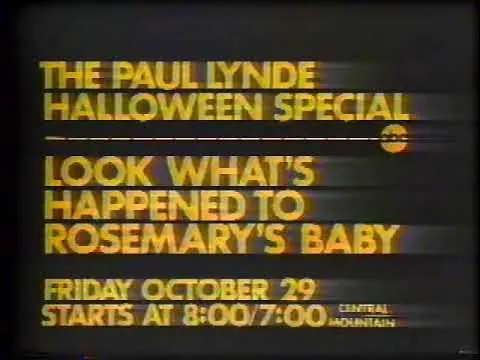
Running in the 8 pm slot, The Paul Lynde Halloween Special was, on paper, the kind of television event endemic to the era. By this point in the early '70s, viewers were well acquainted with the idea of a variety special centered on a star or occasion, and many celebrities used such showcases to further endear themselves to the masses.
Indeed, throughout the '60s and into the '70s, Barbra Streisand appeared in a series of specials that further cemented her place in the pop culture zeitgeist. Similarly, mere months before their Halloween foray, ABC aired a special centering on flamenco-songstress Charo, and the following year The Carpenters would try their hand at a Christmas extravaganza.
Upon review, it is interesting to note that a lion’s share of ABC's specials centered on music artists, likely to bank on their performance prowess and their ability to use song to engage the audience. Thus, building an event special around character actor Paul Lynde, known for his work on Bewitched and the film adaptation of Bye Bye Birdie, seems like an outlier choice. Though most folks familiar with Lynde would agree that being an outlier was often one of the acerbic entertainer’s greatest strengths.
While he was never able to be publicly or professionally out in his lifetime, Paul Lynde’s cutting humor and engagement with camp became a beacon for emerging gay and queer-identifying individuals who, through Lynde’s wit and clever barbs, were able to connect with one of their own. During his celebrated run on Hollywood Squares, Lynde’s jokes and asides often skirted the edge, like a wink to those desperately needing connection.
However, as much as Lynde’s humor was a lifeline for those in the know, it also hit with the masses. Lynde frequently ranked highly in audience polls for most-liked TV stars and was in high demand for guest spots on nearly all the hit shows of the day. To that end, building a television special around Lynde was almost a foregone conclusion, and it certainly wasn't without precedent. Carol Burnett’s weekly format showed audiences were hungry for comedy-driven viewing, and Lynde’s own appearances on variety shows like The Ed Sullivan Show and The Dean Martin Show primed viewers to put him in the spotlight.
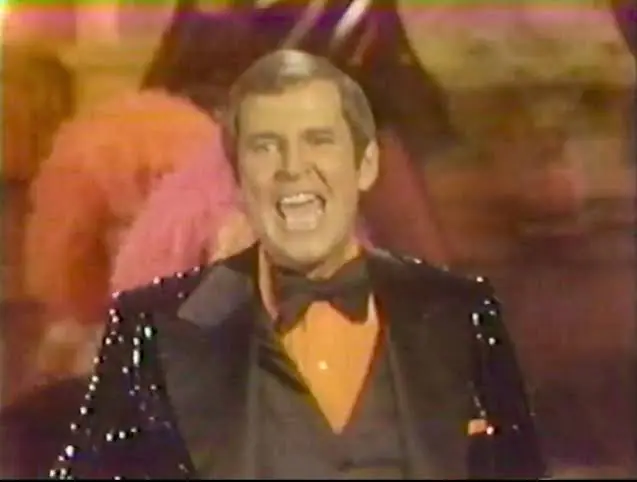
“The fact that The Paul Lynde Halloween Special exists is a prime example of what could be gained from being good at hiding in plain sight,” says Sean Abley, FANGORIA contributor, and the creator and co-editor of Queer Horror: A Film Guide. Abley continues:
“Paul Lynde was an excellent comic actor who was obviously gay, but he followed the social rules of the time, and was rewarded with a long career that only cost him his truth. Headlining this special, one of his only ‘leads,' was the prize for a job well done.”
With the stage set, the guest stars booked, and its titular icon primed and ready, The Paul Lynde Halloween Special hit the airwaves. And what they got was an eyebrow-raising curiosity that likely confused viewers at home, who probably expected something closer to Lynde’s Bewitched/Uncle Arthur schtick. The show was admittedly unusual in construction, highly camp, and — whether intentional or not — very gay.
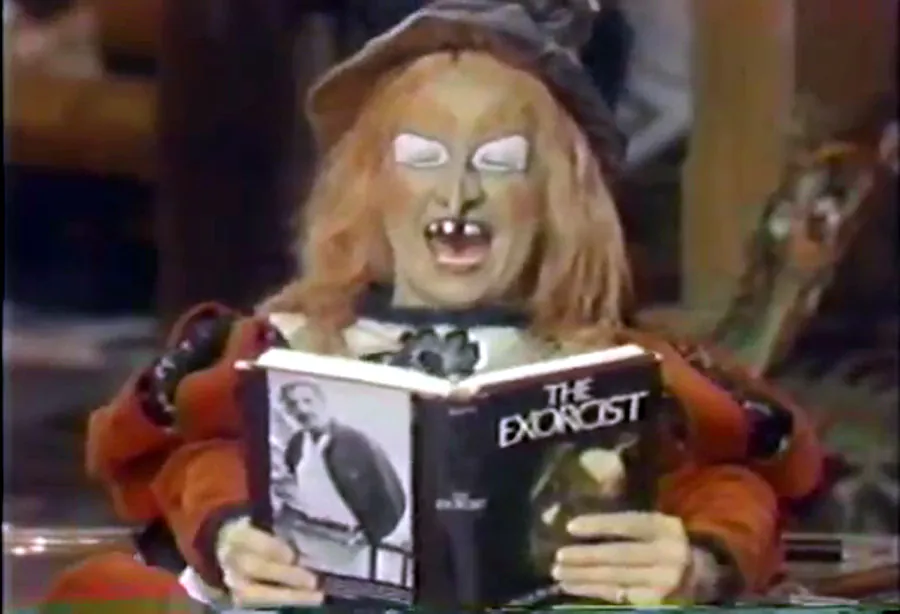
The show centers on Lynde’s attempt to avoid Halloween because of a childhood trauma. After a half-hearted attempt to find the joy of the season, Lynde lets his housekeeper, Margaret (played by Margaret Hamilton of The Wizard of Oz fame), whisk him away to “Gloomsbury Manor” to visit her sister and escape all the fright.
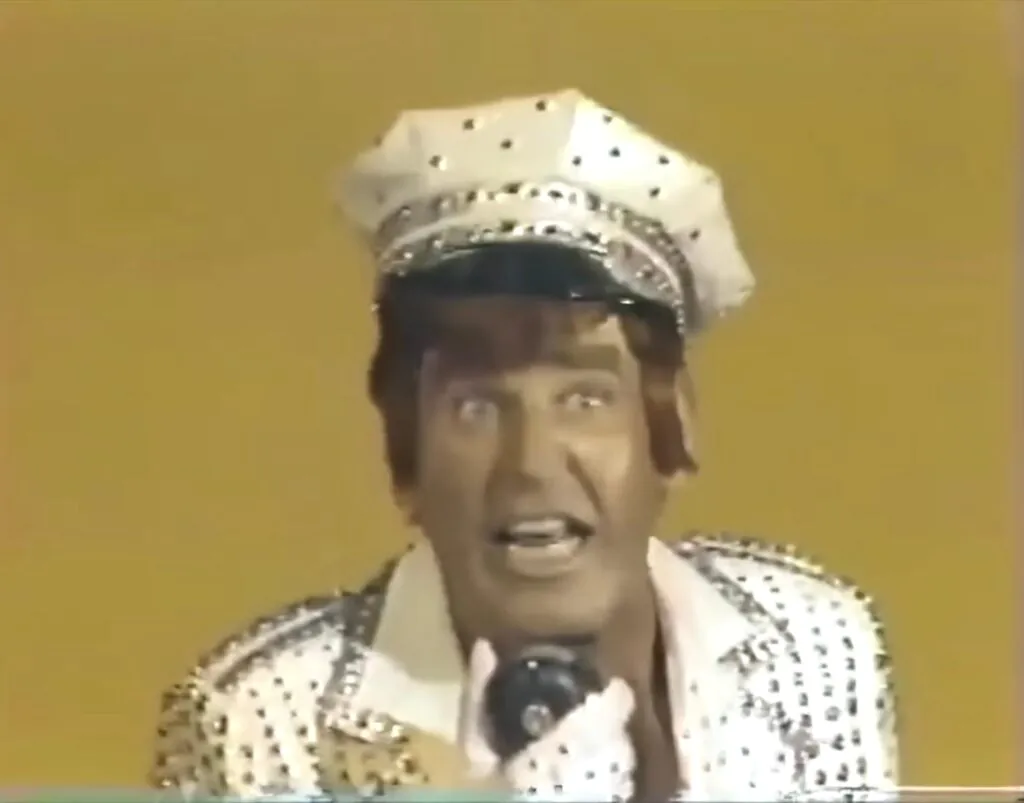
However, poor Paul realizes he’s been had when Margaret reveals herself to be the Wicked Witch of the West (yes, that one) and that her sister is none other than H.R. Pufnstuf’s Witchiepoo (Billie Hayes). The witches contend that they’ve gotten a bad rap and want to use Lynde’s fame to help them get some good P.R. In exchange, the witches offer Lynde three wishes for his troubles. The wishes manifest as sketches in the show, including Lynde as a trucker in a rhinestone jumpsuit trying to woo a gal, an Arabian Nights-inspired sequence involving Florence Henderson (for some reason), and a disco-dance party at the manor featuring the primetime television debut of KISS.
“Quirky, campy, and cockamamie, The Paul Lynde Halloween Special is a sight to behold,” says Amanda Reyes, historian, author, and host of the Made-for-TV Mayhem Show. “That said, nothing was quite like it, where people like Florence Henderson, Margaret Hamilton, Tim Conway, and KISS rub elbows as Lynde spouts seething one-liners like a machine gun. It’s both a joyful and harrowing trip down memory lane. Most of the jokes don’t work, but the energy is surprisingly high and the cast wonderfully game.”
Understandably, the immediate audience reaction was bafflement. Though entertaining enough, the show’s alleged uneven presentation and Lynde’s at times visible discomfort almost ensured that the Special would soon be relegated to a forgotten footnote in television history.
But then, a strange thing happened: As kitsch and camp are wont to do, it persisted.
As Amanda Reyes points out, The Paul Lynde Halloween Special is not the only program of its kind saddled with a healthy dose of weirdness, as it was born out of the same era as The Star Wars Holiday Special (with which it shares a co-writer in the form of Bruce Vilanch). But unlike its sci-fi counterpart, which has a storied and immense fanbase constantly seeking every morsel of a galaxy far, far away… the ongoing fascination with The Paul Lynde Halloween Special seems increasingly unlikely.
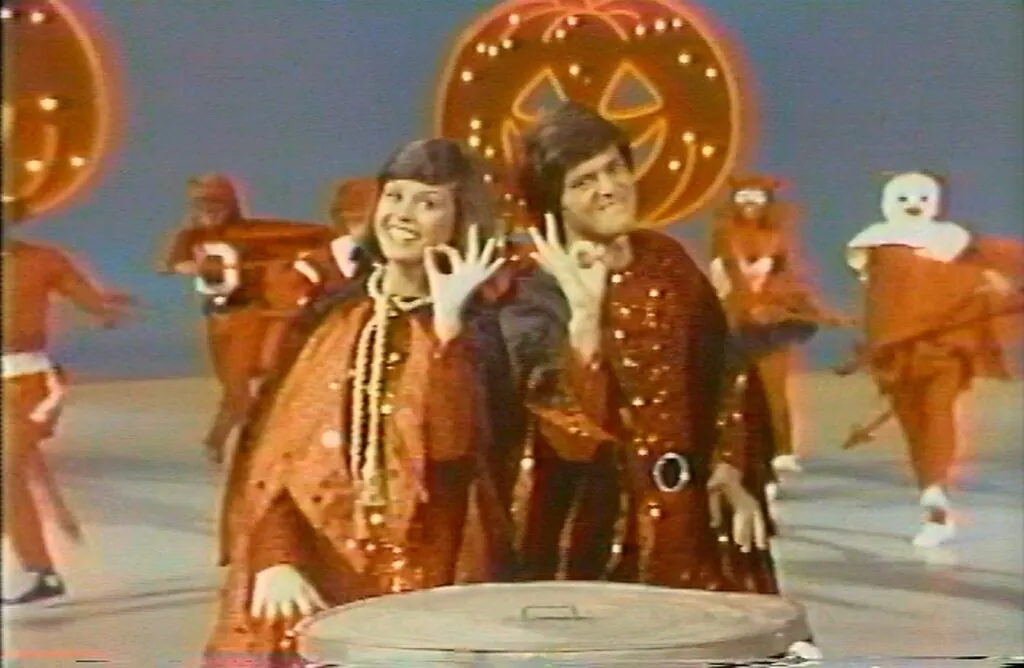
In the five decades since its initial airing, attention and reverence for The Paul Lynde Halloween Special have only grown, making it a staple among Halloween enthusiasts and genre fans, a “must” to share with friends. That said, the program’s initial tepid response made it hard to see. For years, the curious had to rely on bootlegs, which, while dubious, kept the discussion alive. The Paul Lynde Halloween Special finally received a proper physical media release in 2007, reemerging just in time for a fledgling internet hungry for all things obscure and strange to do its thing.
These days, chatter around The Paul Lynde Halloween Special seems stronger than ever, perhaps even more than at the program’s initial airing. A quick search of the net reveals an array of fan art and podcast discussions, with new devotions being posted all the time.
But why, exactly, does this strange curiosity endure when so many others fall by the wayside? The most likely answer is that it’s a snapshot of a particular moment and an encapsulation of Halloween of yesteryear. Beyond kitsch and camp, it’s a prime example of a “gateway” piece for an audience yearning for the haunted season’s aesthetic but still hoping for more fun than fright. Add to that appearances by cultural institutions that still endure, like the Wicked Witch of the West, Witchiepoo, and KISS, and you’ve got more than mere curiosity — you've got a pop culture benchmark.
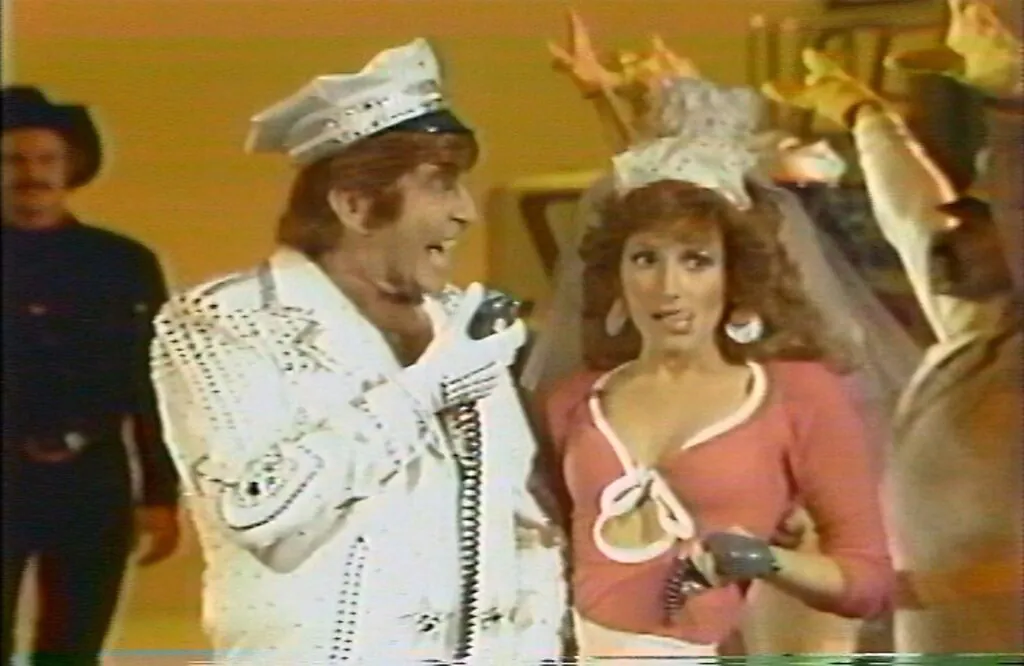
For Amanda Reyes, the guest stars are definitely part of the ongoing appeal, and she cites one particular appearance that keeps her coming back for more:
“Despite the clunky sketches and that wonderfully odd KISS performance, one thing makes it all worth it for me: Kinky Pinky,” says Reyes, alluding to a featured turn in the rhinestone-laden truck driver sketch. “Yes, Roz Kelly, best known to '70s kids as Pinky Tuscadero on Happy Days, manages to put in a most spirited performance as she works her way through an otherwise forgettable vignette as a curvy waitress hot for Lynde’s truck driving ways…to the end disco number, where she stuns in her sequined gown. That Roz Kelly! She sings! She dances! But most importantly, actually looks like she’s enjoying herself. If nothing else, this special is a testament to Kelly and the other actors who earn their paycheck with a genuine approach to something that in lesser hands would be… well, maybe just weirder.”
For Sean Abley, the weirdness and outright audacity are the point, and he believes The Paul Lynde Halloween Special is not only a Halloween fixture but a queer horror community staple. As he explains:
“The Paul Lynde Halloween Special is an enduring piece of TV ephemera because it's so gay,” says Abley. “All of those variety show specials and series ping gay to a certain extent, but the queerness of it all is like a homing beacon for LGBTQ+ people, a group known for keeping our history alive. It's both a relic of a time that wasn't so great for gay men, and yet the show remains aspirational even today. After all these years, how many TV shows have a flamboyant gay man in a starring role? Still very few.”
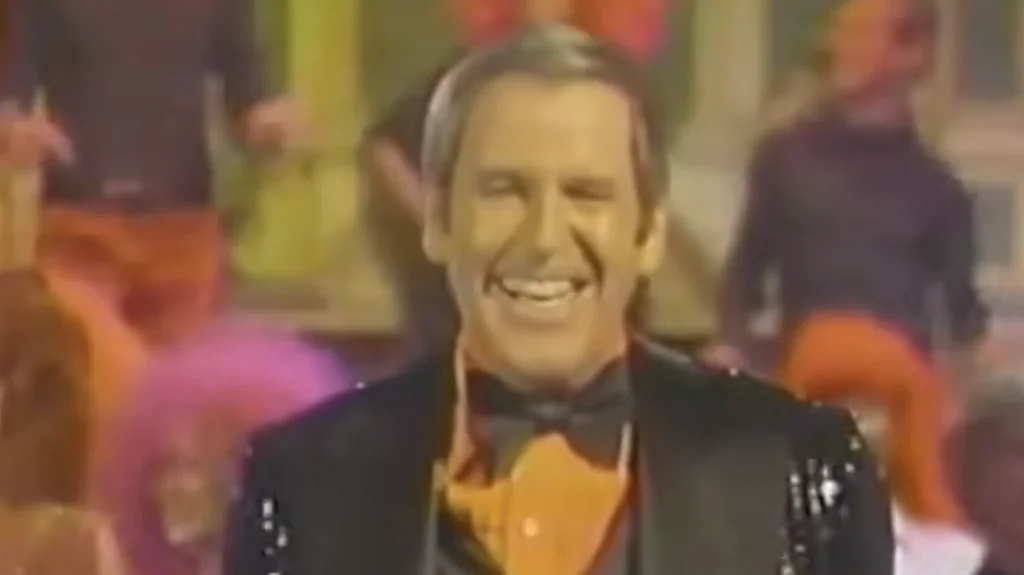
Whether serving as a flamboyantly festive beacon, a curiosity of television nostalgia, or some degree of both, The Paul Lynde Halloween Special’s longevity seems all but assured thanks to those who still revel in the central star’s particular brand of tricks and treats. That this disco-drenched oddity would eventually outpace the name sequel it immediately preceded may seem unusual, but ultimately it is symbolic of why we love Paul Lynde himself: An unlikely outsider who made us all feel welcome. And even when wearing a mask, he allowed us all to feel truly like ourselves.
To that end, The Paul Lynde Halloween Special has always been a Halloween party for all of us, and has been for the last fifty years. Here’s to fifty more.
