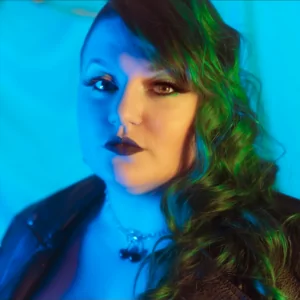
Every movie is a miracle, but Ashley Levy’s road to making Malerij is not for the faint of heart. Levy worked as a professional makeup artist for about 15 years, having worked on major titles like The Happy Death Day films, The Conjuring: The Devil Made Me Do It, Scream: The TV Series, Insidious: The Red Door, The Exorcist: Believer, Five Nights at Freddy's, and even The Twilight Saga: Breaking Dawn — Part 2. With a background in fine art and art history, Levy found her way into makeup through a desire to transform the visual world around her. It was a natural marriage of artistry and storytelling, allowing her to help bring characters, nightmares, and entire worlds to life.
Spending nearly 15 years on film sets gave Levy something beyond technical expertise. Working alongside countless directors and departments taught her how to communicate, collaborate, and adapt to the ever-changing rhythms of filmmaking. “But most importantly, I was the person who was witnessing actors in their most vulnerable positions,” she tells FANGORIA. “I could see how they prep. I could see how much they put into their craft. And so, I knew how they operated before going in, and then I knew how they operated on set.”
Directing had always been somewhere on the horizon for Levy. She jokes that she could “never get out of her own way,” constantly taking on other projects and putting that dream on the back burner. But sometimes life has a way of forcing us to confront the things we’ve been putting off. About two years ago, Levy fell down two flights of stairs, breaking her neck and suffering a spinal cord injury that left her paralyzed from the waist down. In an instant, the life she had spent years building was turned upside down. “When my accident happened, I was in a moment where I didn't know if I was going to be found, because I was alone and I had to come to terms with the fact that A) I was going to die, and B) I was going to suffer,” Levy tells Fango. “And those things stuck with me very viscerally.”
Against staggering odds, and through the extraordinary work of her medical team, Levy slowly began to regain sensation. She playfully compares the process to Kill Bill, describing how she would stare at her feet and will herself to wiggle her big toe. It was a painstaking exercise in rediscovering her own body, learning to move again, one small victory at a time. But recovery is rarely a straight line, and the road ahead was anything but certain.
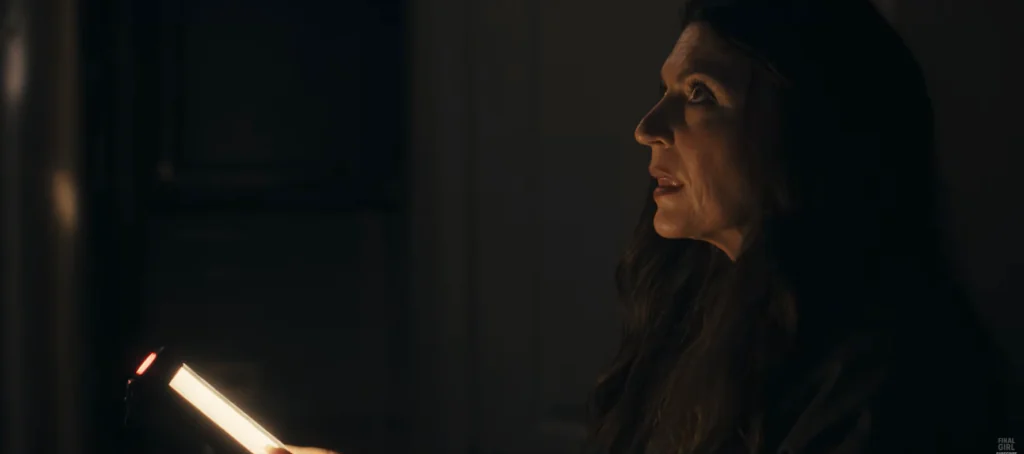
“When everything came back but my hands in the hospital, I was like, ‘Okay, we got to do a skill set transfer. What are we going to do?’ and I realized this is my chance to direct.” In a moment when so much had been taken from her, Levy found herself looking toward something she had always wanted but never quite allowed herself to pursue. She wasn't going to let her circumstances dictate the limits of her creativity. Instead, she began channeling her experiences into a story.
Drawn to Eastern European folklore and the feeling of isolated terror, Levy began working on the story that would become Malerij. “True horror isn't just about the thought of dying; it's about the suffocating dread of surviving as a silent, trapped spectator in your own life,” Levy says. “And that to me was Malerij, and that was so easily put into a metaphor.” With one finger, Levy wrote the script in the hospital and, immediately after she was discharged, reached out to everyone she’d ever worked with, hoping they’d support her journey toward directing. “I think what was amazing for me was I just assumed my film family was going to abandon me because I was now damaged goods,” Levy says, voice somber. “But it was my film family that really stepped up, embraced me, and supported me. It was so beautiful and inspiring.” Within a week, her short film was funded.
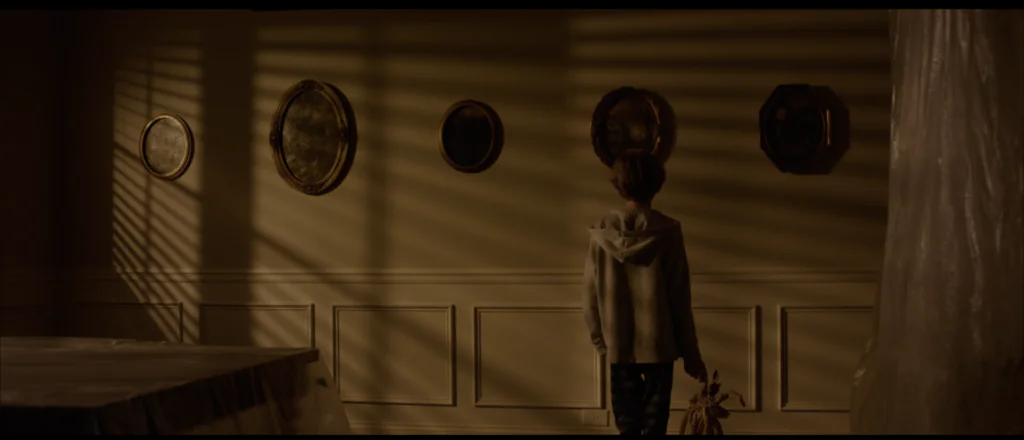
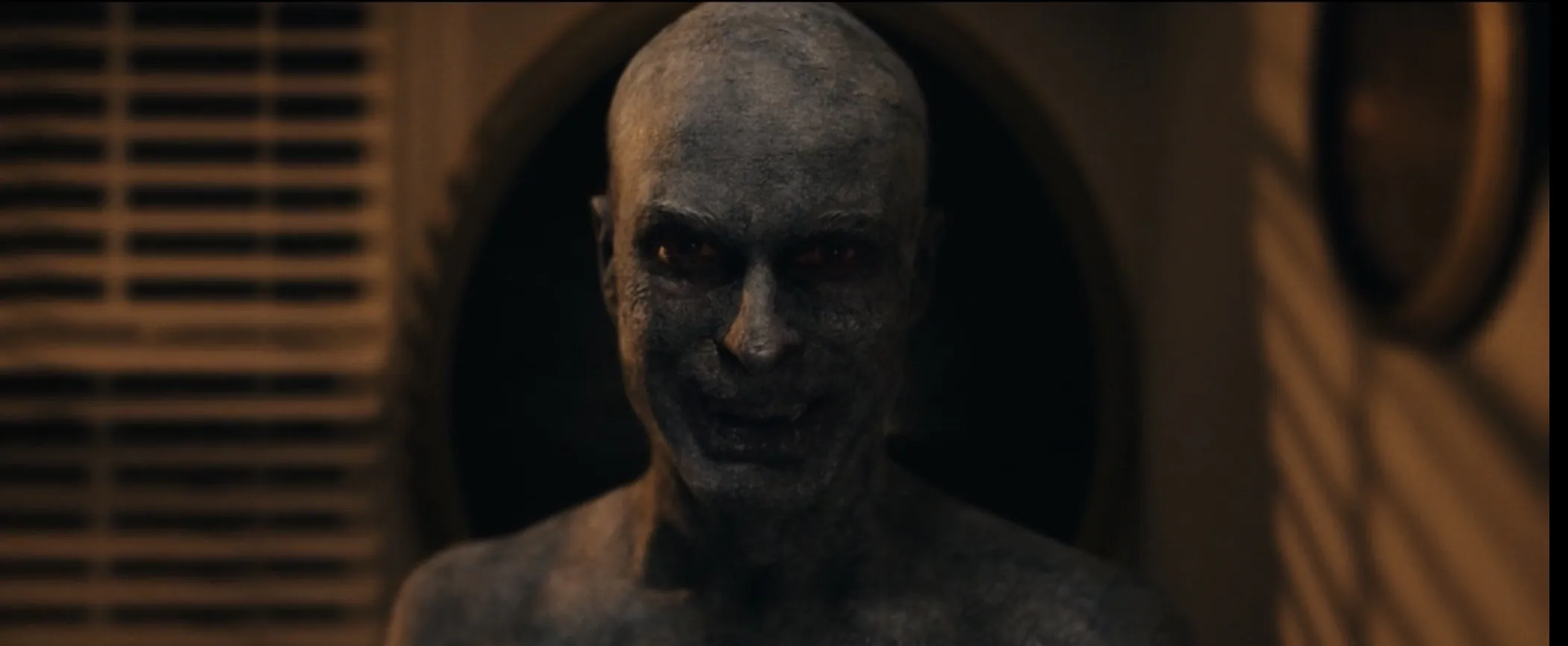
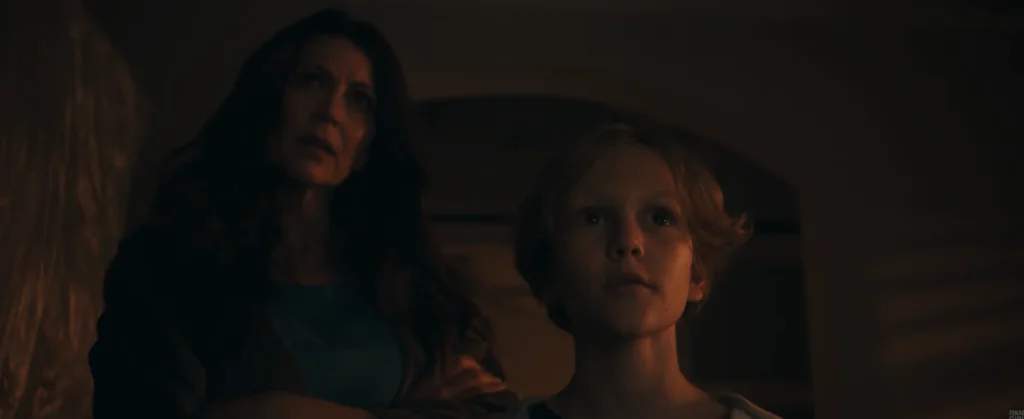
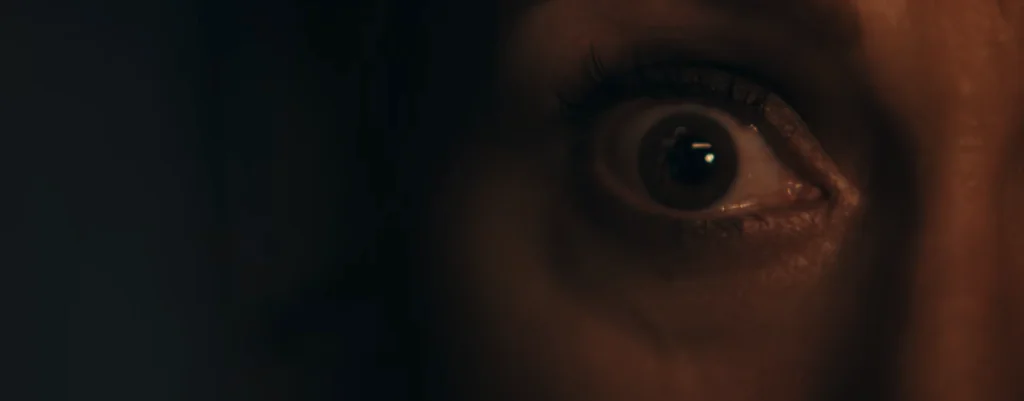
Malerij was filmed in two days, and Levy called in every favor she had to help bring the film to life. The film centers on a mother and son seeking refuge in an abandoned house, who uncover a mystery locked inside a seemingly innocuous gallery of paintings. In fewer than 11 minutes, Levy explores entrapment, maternal instinct, and the terrifying struggle to distinguish reality from imagination when survival is on the line.
For Levy, the journey to Malerij was never simply about finally getting behind the camera, but finding a way forward when the future she once envisioned was suddenly out of reach. And in a genre built around confronting our deepest fears, she found a story that gave shape to her own:
“And, I think for me, because I have two grown kids, I have a 19-year-old and a 17-year-old, and at one point they came to visit me in the hospital, and I couldn't move. And I thought for a second, what if my punishment in life was to just sit here inside of this failing body and watch my children age, go through all of their firsts, go through all of their bests, and I'm just decor?”
The centerpiece of Malerij is a series of oil paintings that may or may not harbor a darkness beneath them. As Levy speaks about her catastrophic injury, I shared with her my own history with illness as a pancreatic cancer survivor. It was refreshing to hear her discuss how her own feelings about her body post-injury were channeled into the film.
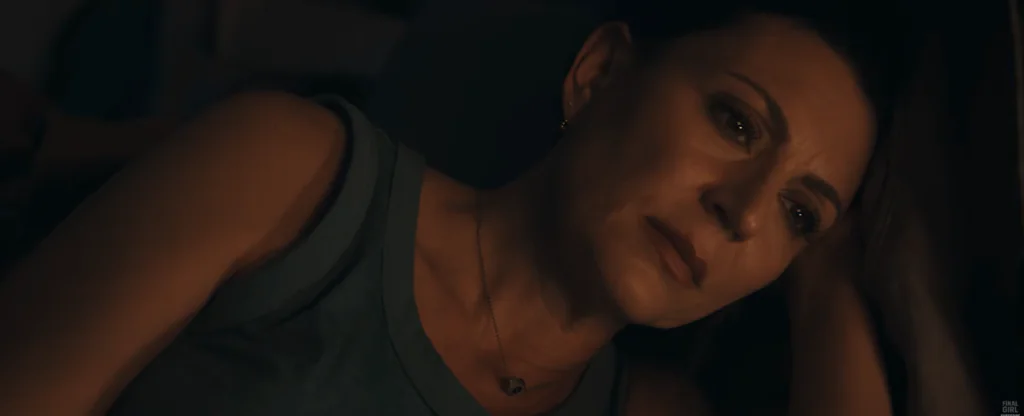
“One of the most unsettling aspects of illness, and aging to a certain extent, is the moment your body begins to fail you, and you’re left wondering why something you always believed was on your side is suddenly working against you,” she says. “Your own body becomes something you can no longer rely on; it creates a profound sense of isolation. It’s a particular kind of helplessness that doesn’t even need to be rooted in trauma to resonate.”
“I think that’s what makes this feeling so universally unsettling: we’ve all experienced, in one way or another, what it’s like to feel trapped within circumstances that produce an overwhelming sense of dread. Even something as seemingly mundane as being held hostage by the cable guy can, for a moment, make you think, ‘I am trapped, and I absolutely hate how this feels.’”
Levy submitted the film to a bunch of festivals, and faced a ton of rejection. She then reached out to the Final Girl YouTube channel, a filmmaker-led genre channel dedicated to bold, high-concept short films across horror, sci-fi, and thriller. Shortly after, Levy found out that Malerij had been accepted to Sitges. The world's leading international festival for fantasy, horror, and cult cinema, Levy went to Sitges in Spain for her very first festival, not knowing what to expect.
“I got in touch with a WhatsApp group for women in horror, specifically, and I have never been so supported and uplifted by a group of women,” she explains. Levy is a self-proclaimed “reforming curmudgeon,” but she found the connections she made with other filmmakers life-affirming. “There's a lot of boys here, but it's not because there aren't women out there making horror; it's that I think that we got to push harder, much as we've always had to do in life, so that we can be on that same level playing ground.”
Fortunately, Levy tells Fango she likes being pushed, being told there’s a challenge, and taking the opportunity to lead by example. “My desire is that when someone finishes watching Malerij, that they experience the thrill and the rush of a story being told,” she says. “I want them to talk about this with somebody, because there's nothing in my mind that resonates more than the thrill of having seen a good movie with a friend, and then all you want to do is talk about it because it made you feel something.”
Malerij is now available to watch for free through the Final Girls, and you can check it out below.