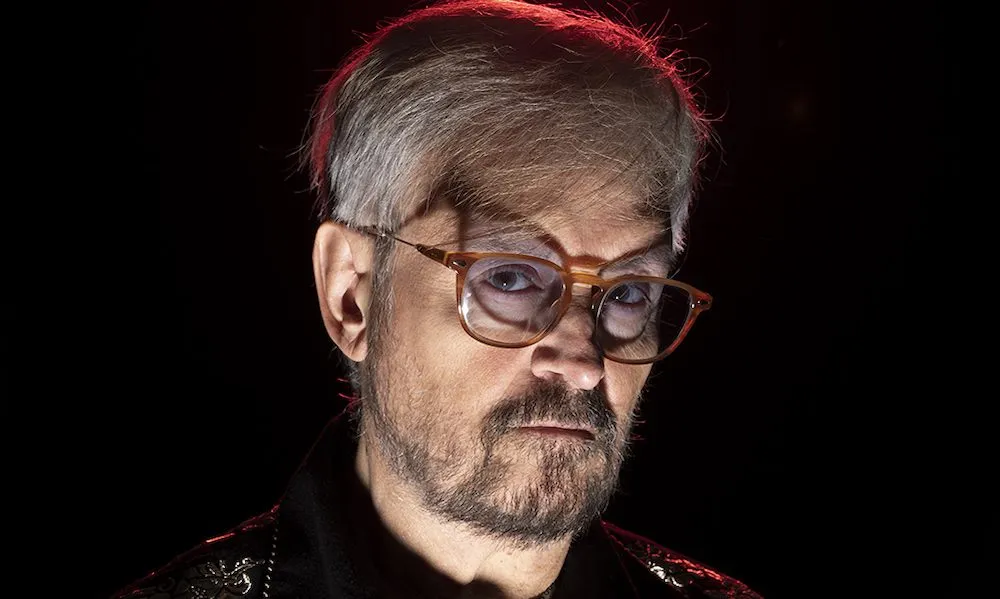
The music of Claudio Simonetti is almost as synonymous with the films of Dario Argento as Argento himself. Working both as a member of the prog-rock band Goblin and as a solo artist, Simonetti composed the iconic themes for Deep Red, Suspiria, Phenomena, Opera and, of course, Tenebre, while delivering unforgettable music for Lamberto Bava (Demons), Ruggero Deodato (Body Count) and Umberto Lenzi (Nightmare Beach). Those films cast a long shadow over his career—not to mention genre filmmaking as a whole— and Simonetti has amassed more than 70 credits, placing him among the most successful and acclaimed Italian composers in the medium’s history.
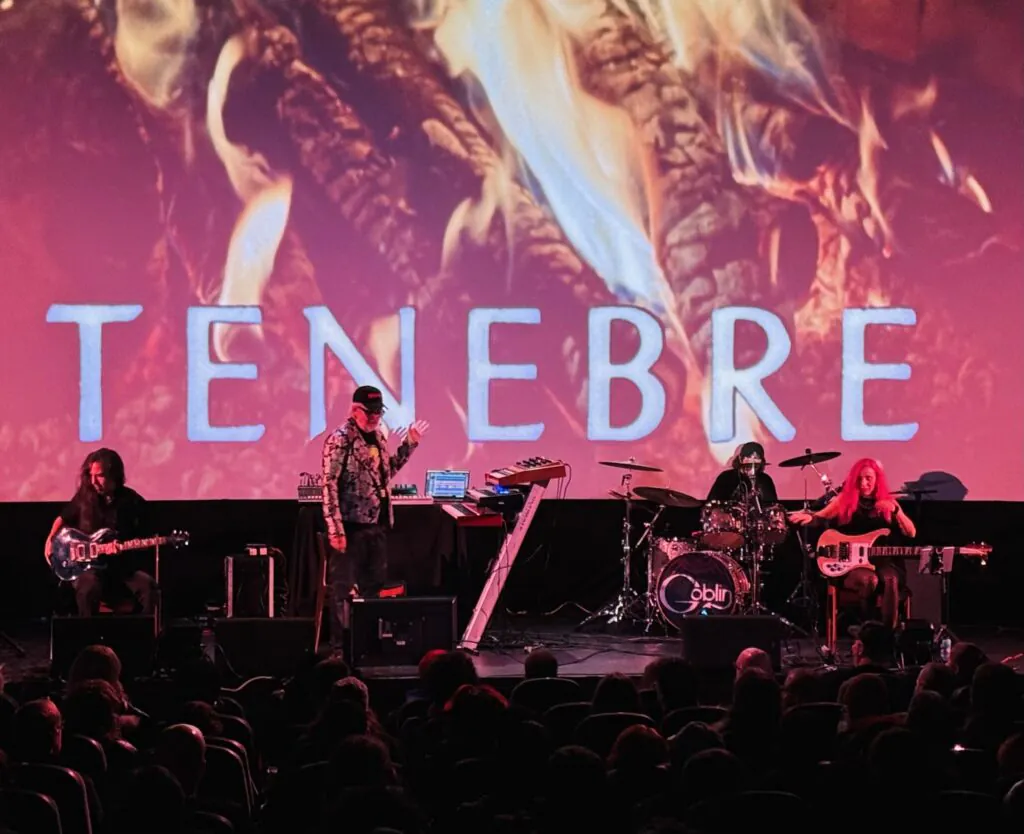
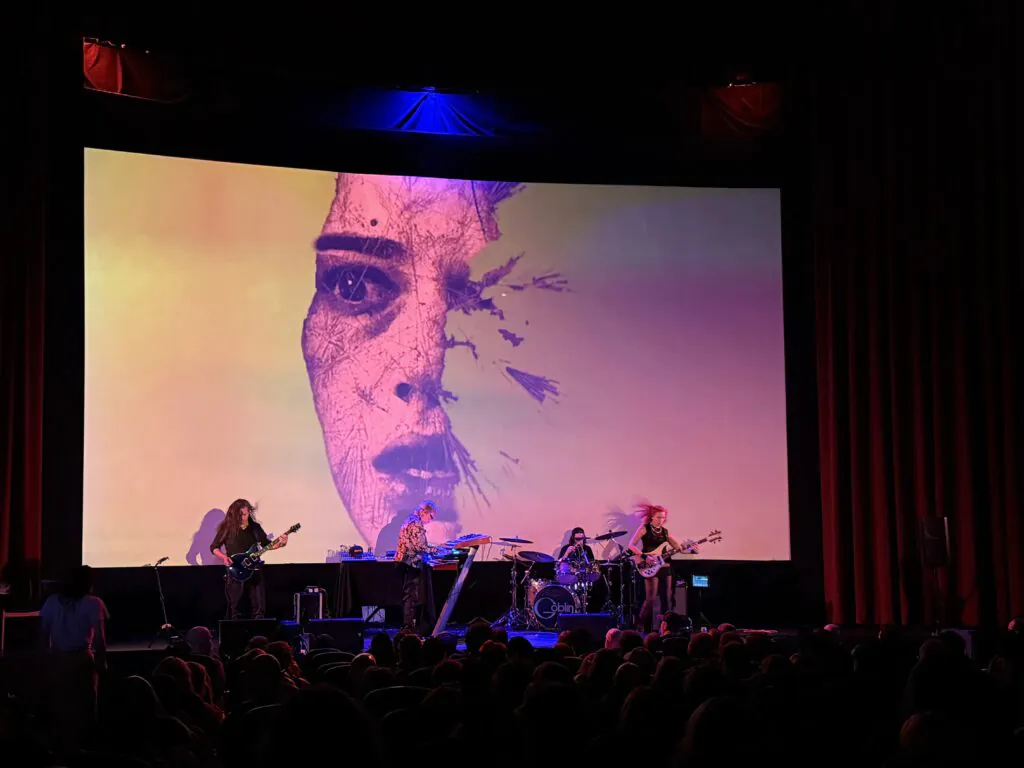
Back in 2023, Simonetti went on tour to perform the music from Bava’s Demons live to picture in theaters and exhibit halls across the country. In 2026, he’s back with a tour of Argento’s extraordinary Tenebre, whose famous disco-themed music he’ll perform with the current line-up of the re-formed Goblin, now appropriately renamed Claudio Simonetti’s Goblin. At each show, he follows the screening with a full concert that takes fans through a tour of his greatest hits, playing themes from the above films as well as Conquest, Non Ho Sonno and more.
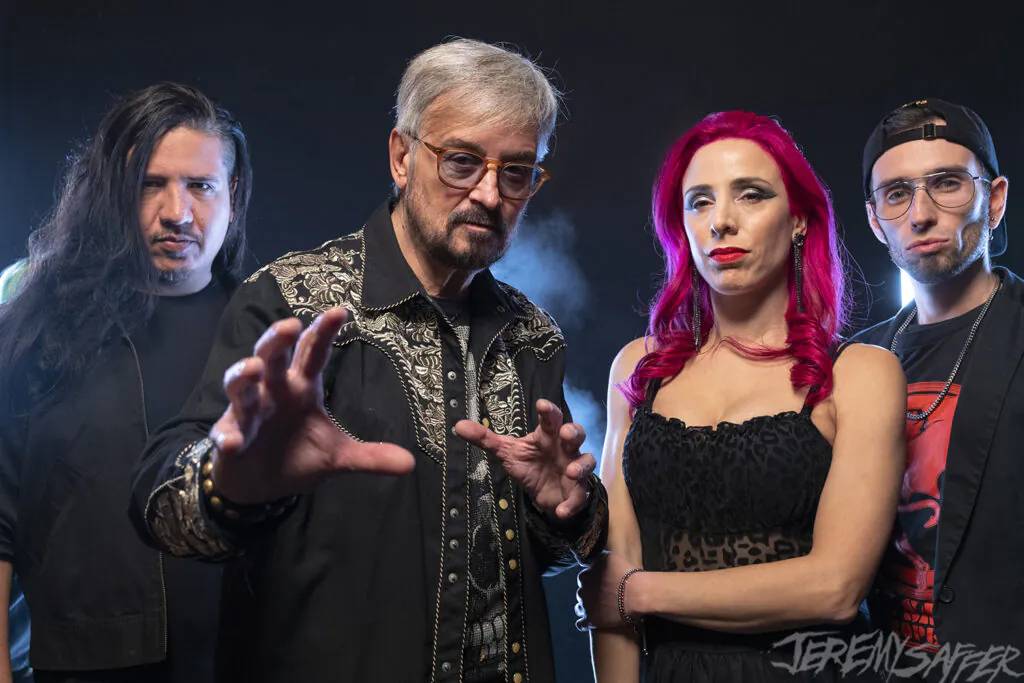
While on tour, Claudio Simonetti joined FANGORIA on a Zoom call to discuss adapting the three-man work of Tenebre into a live stage show featuring the band’s six musicians. He also contextualized the music’s place not only within his other scores, but also in his work as a pop and disco performer and producer, and reflected on the industry changes and career longevity that give him a different perspective on composing today than during the height of his career.
[This interview has been condensed and edited for clarity.]
When you composed the score for Demons, that was one that was basically just you. Tenebre was composed with everyone in Goblin except for the drummer. Did that make it easier for you to translate it in this new setting for the live score?
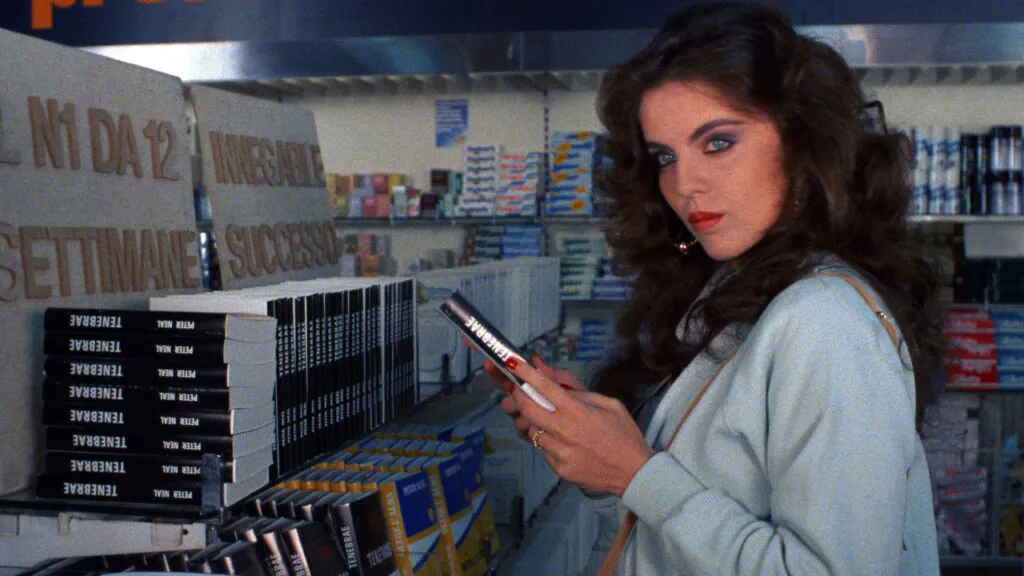
Claudio Simonetti: Do you know the story about Tenebre? When Dario Argento shot Tenebre, he called Goblin again to do the soundtrack, but it was impossible because the name of Goblin was used by another lineup because we [broke up] in 1978, and the bass player kept the name. So that's why in Tenebre, [it’s credited to] Simonetti, Morante, and Pignatelli, and no drummer — just a drum machine. Because it was in the early '80s, I’d done a lot of dance music, so I knew very well how to use the drum machine. So now, live, we are trying more or less to make the sound remain the same. But maybe with the real drum, it's better.
The themes are pretty limited for Demons — there were only a handful of cues that are repeated. That film also had a rock soundtrack, but why did this film have so many more themes?
All of these films are completely different — Demons, Tenebre, Deep Red and Suspiria — so I always try to do something new every time. I don't like to repeat myself. It's something that comes out of me, and of course my then-colleagues Morante and Pignatelli were very good composers as well. The most difficult part for me is to choose the right mood for the film, because I might do 10 different themes and then I choose the first one. Of course, with Dario, he knows very well, more or less, what he wants, especially in the beginning, when we did Suspiria and Deep Red. But I did 14 films with Dario, and at a certain point Dario said, “Okay, do what you like because I trust you.”
Are there earlier tracks from your pop career that might've led you towards some of the sounds of this? I know some of your work with disco artist Vivien Vee, for example.
Yeah, many people come to get me to sign records after the show, and most of them have my disco records like [Easy Going’s] “Fear” and Vivien Vee’s “Give Me a Break.” It's funny because I have two faces like Dr. Jekyll and Mr. Hyde — I play horror movies and dance music, maybe because I was born in Brazil and I lived there until I was 11 years old, so I have the rhythm in my blood. So when I met the producer I worked with, Giancarlo Meo, and he asked me, “Are you able to do some disco music?” I said, “No, but let's try.” And we did, and we had a big success. So that's why I tried to keep both styles in Demons and Tenebre — but not for Phenomena. Phenomena was different.
Can you talk a little bit about the specific instruments that you used to achieve the unique sound of Tenebre?
My first instruments were a Minimoog, a Hammond organ, and a Mellotron. These were the basic instruments where I did prog rock music, and bands like Genesis used those instruments. But after the end of the '70s came a new generation of synths, so I had a Roland, a Korg, and, of course, I used a Prophet. I used many, so many. Some of them I have and others I sold, and I regret that. The [Yamaha] CS-80 now has a value of almost $100,000, and it's very hard to find. But live now, I use the Roland. I have the digital Mellotron, and I have a Moog Voyager and a Nord. I try to use these modern instruments, but keep the vintage sound. When we play that, we didn't make new arrangements or change something because people loved this music in this way. And why change? For everything I do [live], Demons, Deep Red, Suspiria, we always keep the same original sound, even if I can’t bring in a church organ live with 15,000 pipes. The Roland is fantastic.
Particularly now, when there’s technology that allows you to replicate all of that, do you have to reverse-engineer the music to integrate the rest of your band members?
I try to keep the same instruments. I don't want to change it. But now I'm really happy because, thanks to technology, I [used to not be able to mix out] the music from the film because we don't have the original soundtrack of the film. So any time we have music when they talk, it's very hard to play over that. So now, thanks to some plugins, we can separate the voice from the music. So you can have the clean [dialogue] and the background sounds, but not the music.
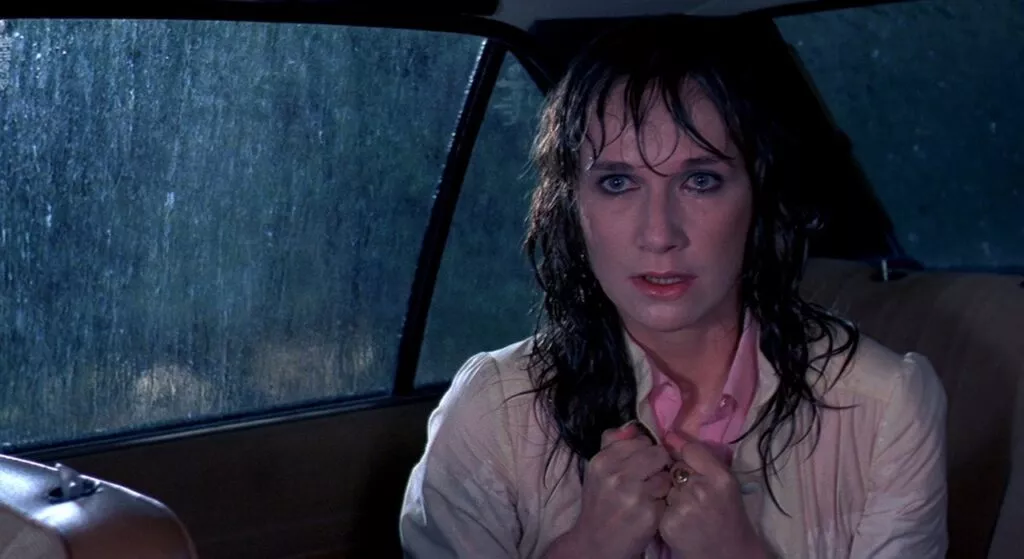
When you started working on Tenebre, was the film shot and then you composed the score? Because what is unique about this score is that it's diegetic, or at least part of it is played on screen.
We saw the film finished, and we started playing music over the scenes. I prefer to work this way, because if you work off a script or just by thinking about the film, you never have the real mood. I prefer to see the film finished and edited.
How influential were the themes of the story in Tenebre in your compositions? There are these ideas of duality. The percussion in the main theme seems to mimic the sounds of the sculpture crashing in the film. Dario was so established as a master of horror, and the movie itself offers a commentary on some of the themes of the genre.
Tenebre actually was the film that [marked] the return of Dario Argento to giallo, because before Tenebre he did Suspiria and Inferno. Those were about mystical witches and things like that. But he said, “I want to be back with the thriller.” So that's why I changed the music completely. If you listen to Suspiria, Suspiria is magical… it might be one of the best scores we ever made, because we did a lot of experimentation. But in Tenebre we had more fun, because the film is full of different scenes, so it inspires you a lot to write the music.
The score has all of these interesting elements — the church organ, the xylophone sound, these tape effects. We've talked about your experience as a disco producer and an artist, but were you pulling out all the stops on this?
Oh yes, actually. It's weird because we used electronic instruments. I used the vocoder that I used before for dance music and the drum machine, but we also used electric guitar, rock guitar, real bass, and the church organ. I still love the church organ that I used for the first time for Deep Red. It's at a big church in Rome. But I don't know how to explain how we recorded in this way, because it's something that starts with me saying, “Wow, why can’t we try to do this rock-disco mixing of styles.
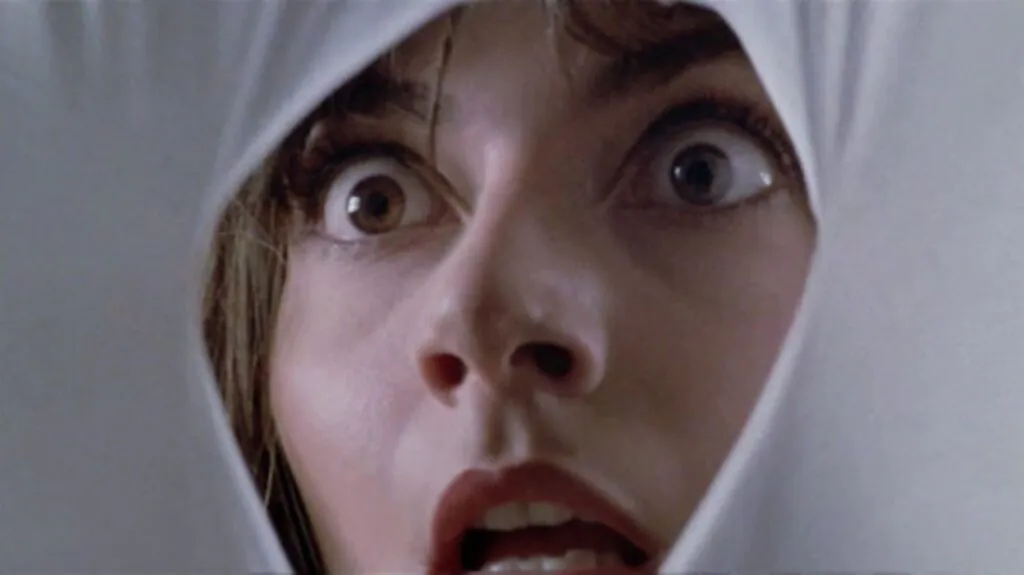
In the rarefied canon of horror disco music, I think this and the theme to Friday the 13th Part III are its greatest achievements. When you achieve success with a piece like this, I'm sure there are other people who are like, “Can you bring me the Tenebre magic for my horror film?”
Oh yeah, of course. I worked with a lot of directors who called me because they wanted similar music. But I always try to do something different because, as I told you before, I don't like to repeat myself. I’ve composed music for more than 70 films, also comedies and action films, TV shows. As a musician, I [give] thanks a lot for soundtracks because soundtracks permitted me to compose something that otherwise I never could compose. Without [those opportunities], maybe I never would have composed Phenomena, Tenebre or Suspiria. I don't want to compare myself [to them], but with Bach, Beethoven and Mozart, they composed because their patrons paid them. They would ask them, “Okay, tomorrow we have a requiem, tomorrow we have a funeral,” and they composed because it was work. Without this, many masterpieces would never have been born. But of course, we don't do this for money. It's because it's something that we really love.
Are there other scores of yours that you feel like, fairly or not, have been overshadowed by those that are better known or more popular?
No, but the problem is that I wrote so many soundtracks. For many of those, I love the music, but of course the film did not have success, so nobody knows this music. That's normal. The same happened with Ennio Morricone. Morricone did beautiful masterpieces, but he composed music for almost 500 films. You remember just 10 or 15.
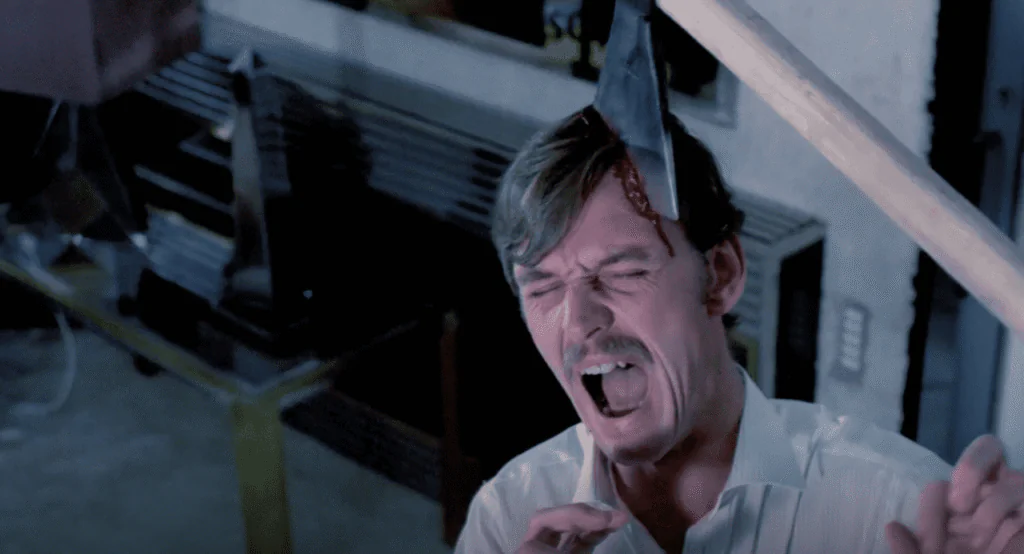
When you composed the score to Tenebre, how did it impact the pop music that you did afterward? Sanremo Dance, for example, came out a year after Tenebre. Did that inspire more ideas when you went back to pop or dance music?
I worked a lot with disco music from '78 to '82 or '83. Then I stopped, and I turned to soundtracks — no more dance music because the best period for me was the end of the '70s and early '80s. After that, people started doing disco everywhere, but also because of new technology with computers and sequencers. In the beginning, when I recorded Vivien Vee and Easy Going’s Capricorn, I used a big orchestra and singers. But in the '80s, people started doing house music because you could record at home with computers, so it was a little easier. So I started again with the soundtracks for Phenomena, Demons, Opera, and many others.
Some of these cues are interesting in that the sound design mixes with the music, with bubbling noises and things like that. Did you or Dario integrate that into your score?
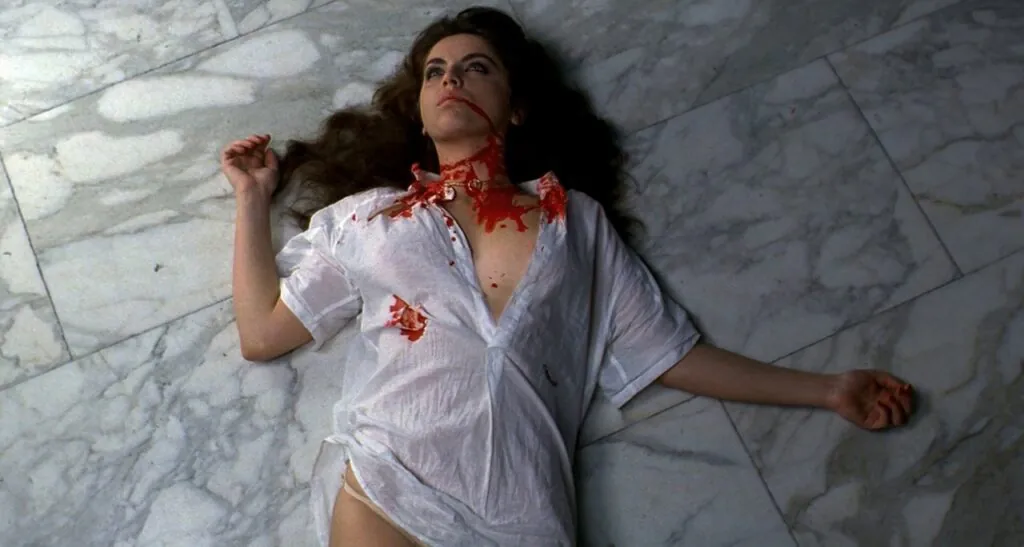
Dario said, “I want something sweet, even if the scene is violent.” Because there is a girl who is killed in [the flashback sequences], I say, “Let's try a lullaby.” And sometimes it works: romantic music behind horror movie scenes. Like in Opera, there’s this song that I wrote with a soprano singing. If you listened to this song, you’d never think about horror movies, but it works with the violence scenes. It's incredible.
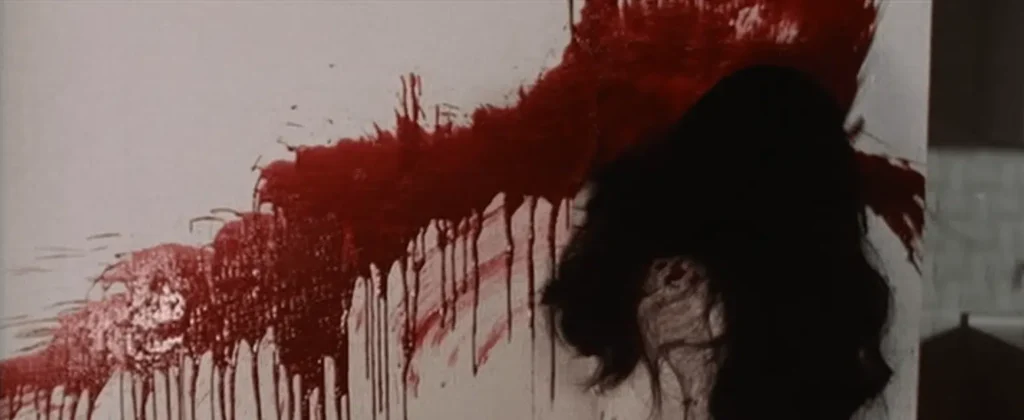
You've now done this live score to picture with Tenebre and with Demons. Are there other films that you would love to tour with and do a live version? Or are there ones for which it’s actually not possible?
Yeah, yeah. The best films to play live are Suspiria, Deep Red, Phenomena, Tenebre, Demons, and Dawn of the Dead. Opera, no, because most of the opera is classical music, so we play just for 10 minutes. Maybe Sleepless [Non Ho Sonno] could be good for the next one. Of course, there are many other films, but I don't know if people go to the theater to see films that they've never seen.
You're still composing scores today. Do you feel the same inspiration now that you did decades ago?
No. I like to work on films, but I think that now it's not the same. There’s nothing very special to me about working on films, so I prefer now to do my live shows. Because films, there are too many. Every day you turn on the TV and on Netflix and Amazon, you see thousands of movies. People watch them, but most of the time you don't care about anything that is connected with the music. I remember in the '70 and ‘80s, people loved the music, so when they heard the music in the cinema, they’d say, “Tomorrow I'll go and buy the record.” We had big success with Deep Red and Halloween by John Carpenter, who's a good friend of mine, and many others, but not now. I don't know how many people search for soundtracks that they love to listen to after watching the film on TV.
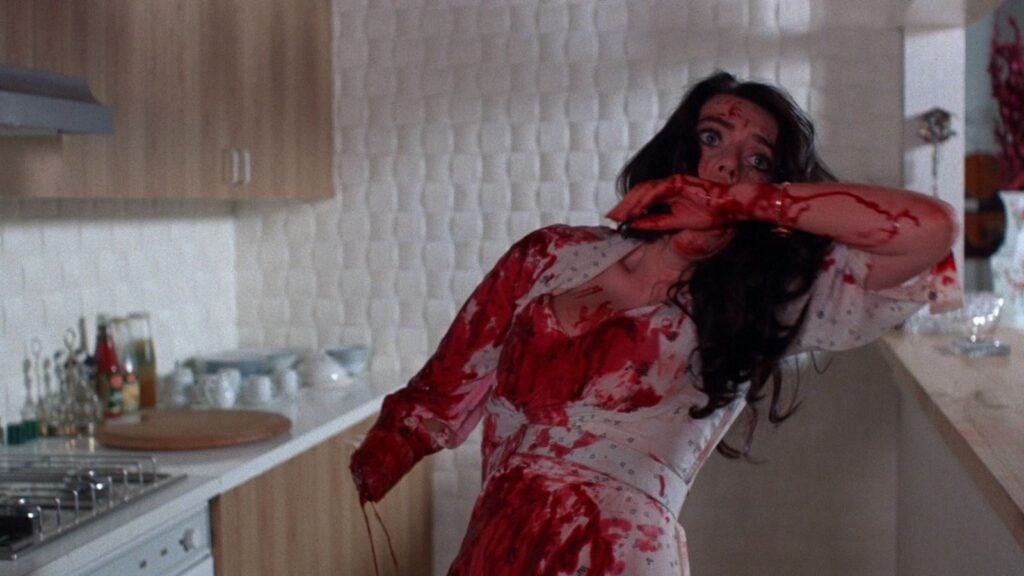
Maybe me.
Now, we sell a lot of merch thanks to the concerts — people come and find most of my records, and they buy them because they listen to them at the shows.
Are filmmakers courting you to get you to work with them, or are you just happy to tour?
Actually, in 2024, I made a very good film called Saturnalia. It's an American film, and I love the score because they shot the film in the same style as Suspiria. It's set in college, even if the story is different. I loved doing this film. So if someone shows me something really different and new, I’ll say, “Okay, I'll do the music for that.” But most of the productions now are copies of Argento, and they’re still doing the same things. So I say, no. Because it takes a lot of time to do soundtracks, and afterward the films remain there without any distribution. And now thanks to AI, you can do beautiful things, but I think the AI will destroy music and entertainment for sure. Most of the commercials on TV are made by AI. It's cheaper and faster. And it's horrible.
For tour information on how to see Claudio Simonetti live, click here.