While it ranks lowest on Rotten Tomatoes, for me personally, Resident Evil: Apocalypse is the series' high point (and to be clear, by “series” I am referring to the six installments written, produced, and often directed by Paul W. S. Anderson, nothing else). To be fair, it's not exactly a night and day difference from what I felt was the weakest installment (that would be 2010's Afterlife); I find this franchise to be amusing junk at best and don't really put too much thought into any individual entry, but Apocalypse gave me the most action, the only one with Jill Valentine (my favorite character from the games) in a central role, and what may be the most gloriously stupid (read: amazing) moment across the six films: Milla Jovovich somehow getting to the top of a skyscraper just to run right back down it and beat up a few guys she could have easily taken out without the extra effort. Cinema!
The story, for those who have forgotten or assumed there wasn't one, picks up shortly after the first movie. Some hazmat guys, led by the obviously evil Cain (Thomas Kretschmann), open the sealed doors from where the first movie took place and inadvertently unleash the zombies and monsters into Raccoon City, turning it into an apocalyptic hellscape within 24 hours. The city is sealed off, but well-meaning Umbrella exec Ashford (Jared Harris) is determined to save his daughter Angela, who has been trapped inside. He recruits Alice, Jill (Sienna Guillory), and some other folks they meet up with along the way (including LJ, played by Mike Epps, the series’ most interminable character) to find her and get her out of the city before Umbrella nukes it to contain the problem they caused. Lots and lots of gunfights and explosions ensue.

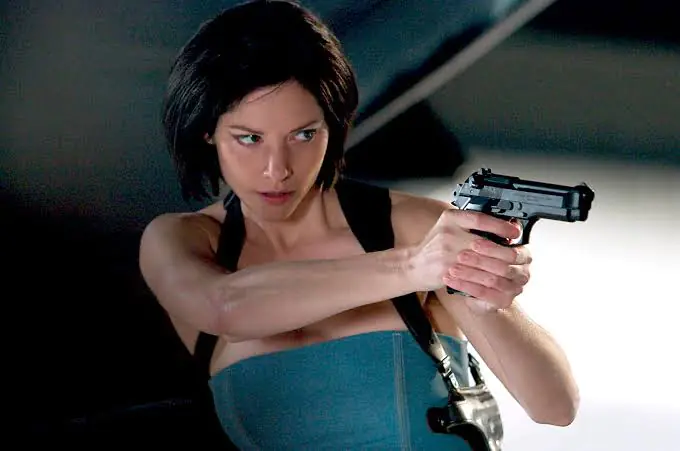
So yeah, it's just dumb fun, and I can't exactly argue with critics who said the movie was empty calories and low on character development even by video game movie standards. With one-time director Alexander Witt (most often a 2nd unit director) and his editor cutting the movie to the bone in order to keep the action up, one can be forgiven for watching the entire thing and not even remembering the characters' names, let alone anything personal about them. Jill and Carlos might be easier to remember if you're a fan of the games, but gun to your head, can you remember who Mackenzie is, even if you've seen the movie five times?
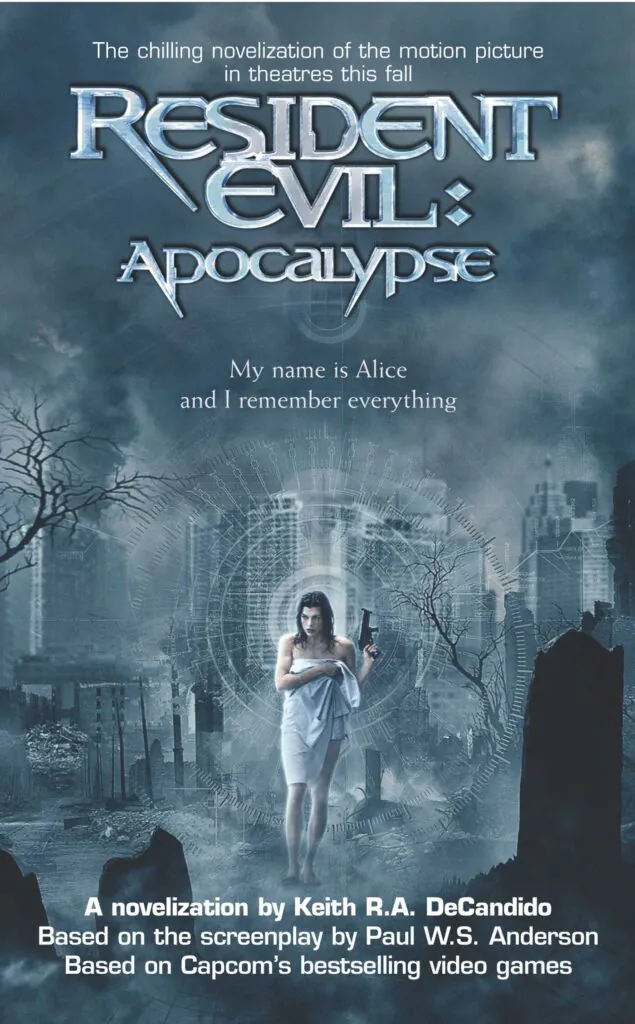
Well, I'll have you know that if you read the official novelization by Keith DeCandido, it might ring a bell. Because Mackenzie (the Kevin McKidd-looking dude the group finds in the church and who's eaten by Lickers shortly after) had a slightly bigger part that was cut from the film and is retained here. In the movie, Carlos is introduced trying to save a woman on a rooftop after she was chased up there by some zombies, but she was originally with Mackenzie, who did the usual zombie-movie cowardly thing: locking a door behind him and leaving someone else to die to buy him time.
This explains why the woman's scene is so choppy, because they decided to trim 20 seconds out to remove Mackenzie from the scene entirely, which didn’t leave the editor much to work with since they were in close proximity until he got to the door. At least on the page, you're spared this and other examples of the movie's admittedly obnoxious editing style (this series rates a B to a C+ for me across the six films, so saying this one is my “favorite” is still hardly a glowing endorsement).

In fact, if I were to quantify every little change between the movie and the book, this would be the longest installment of this column to date — and yet, there's actually precious little substance. Here we get fuller conversations of chats that were trimmed down to a few lines, or the occasional extra little beat of action here or there, but apart from a few introductory scenes I'll detail later, I don't think there's a single scene in this book that wasn't reflected in the movie to some extent.
It's clear that the studio or someone demanded a 90-minute movie, so every single thing that wasn't 100% necessary got trimmed out to get it down to that mark, and while some of it is available in the deleted scenes section, I'd be willing to bet 90% of the changes here were filmed and perhaps even in the cut at one point before being removed to keep up its breakneck pacing.
The biggest difference of any interest is that Alice has regenerative healing properties (like Wolverine) thanks to Umbrella's experiments. You can maybe infer that from some of the things that she survives throughout the evening, but it's made explicit here, with her watching wounds heal and all that. Also, she is actually safe from any of the zombies or monsters they encounter; they flat-out ignore her, with the idea being that her modified blood/DNA makes them see her as “one of them” instead of a delicious human. This is probably the only difference that was cut for more creative reasons than pacing ones —surely someone realized that if they wanted to keep this franchise going, it'd be silly to have the main character never in any actual danger.
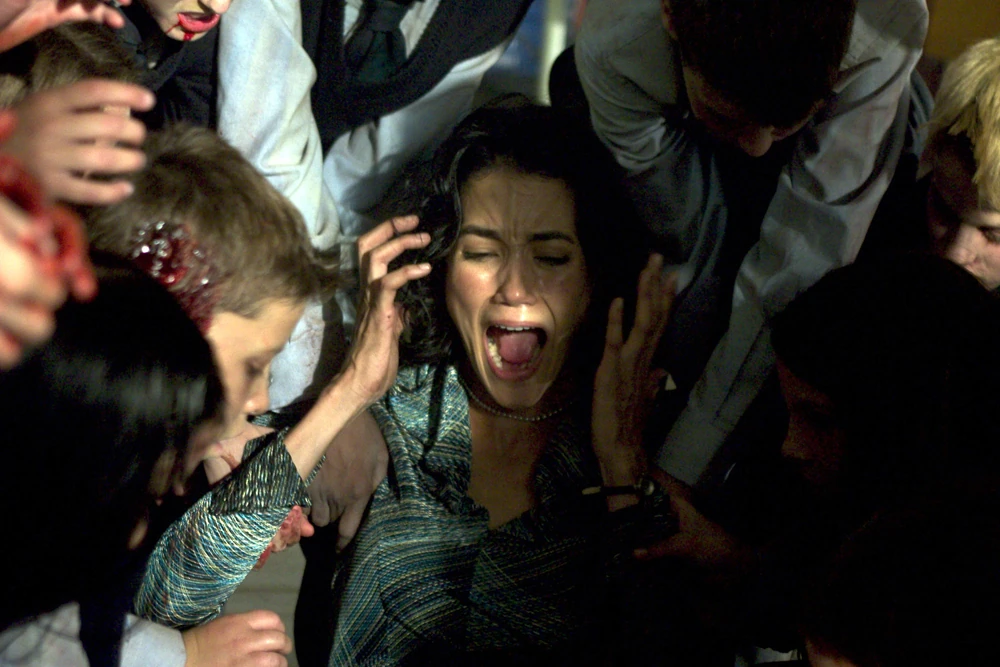
There's also more about Terri Morales (Sandrine Holt), the weather reporter who tags along with Jill, Alice, etc for a good chunk of the movie. It's briefly mentioned in the movie, but the book fully explains how she ended up talking about the weather and why she is so driven to record everything they encounter. Seems that she was demoted for falsifying evidence against a crooked politician; they knew he was dirty but lacked concrete evidence, so she and a colleague modified a video to prove his guilt.
Their ploy was exposed, but at the same time someone else got the proof they lacked, so since she was technically right, her superiors demoted her to weather girl as their solution to the problem. This plays into the finale, where the video she shot is leaked by Jill and the others, only for Umbrella to use her past slip-up to easily claim she was once again making fake evidence (the movie just kind of skips over how exactly Umbrella was able to convince the world her video was fake).
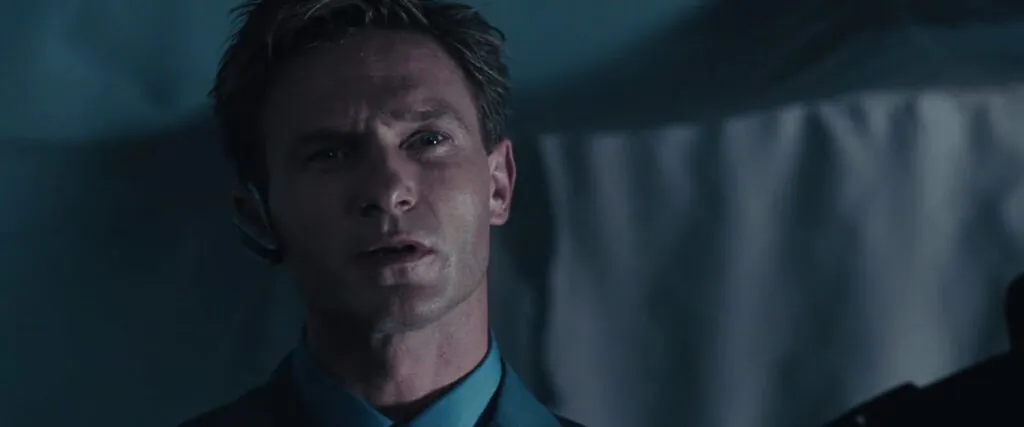
All of this is explained early on; in fact, the first 40-50 pages had me thinking this was based on an entirely different script, since very little matched the on-screen version. We get Terri's story, a full history of Cain and his family, another scene with Jill prior to her in-movie intro at the police station (she was a pool shark, apparently!), etc. There's even an entire chapter devoted to a pair of brothers heading into the city for a job interview, witnessing some of the strange goings-on, and then never being seen again? I thought perhaps they would pop back up throughout the story as some kind of B-movie Rosencrantz and Guildenstern, but nope, they're never mentioned again, and I haven't a clue as to why DeCandido included them, even if they were part of the script at some point.
After all that, it pretty much follows the movie, though occasionally the author cleans it up by going back in time to stick with one character for a while until their path crosses with someone else's, rather than quickly cutting back and forth as the movie does. This graciously keeps LJ out of it for a large chunk of time, though when we DO check in with him the author curiously has him use the N-word in his inner monologue, which is a bit jarring (he even says it aloud at one point, whereas in the movie he used the less problematic “motherfucker”), as well as using a derogatory term for Carlos when he first encounters him. So if you couldn't stand LJ on-screen, he doesn't fare much better here, though at least he is absent for about 60 straight pages in the middle.
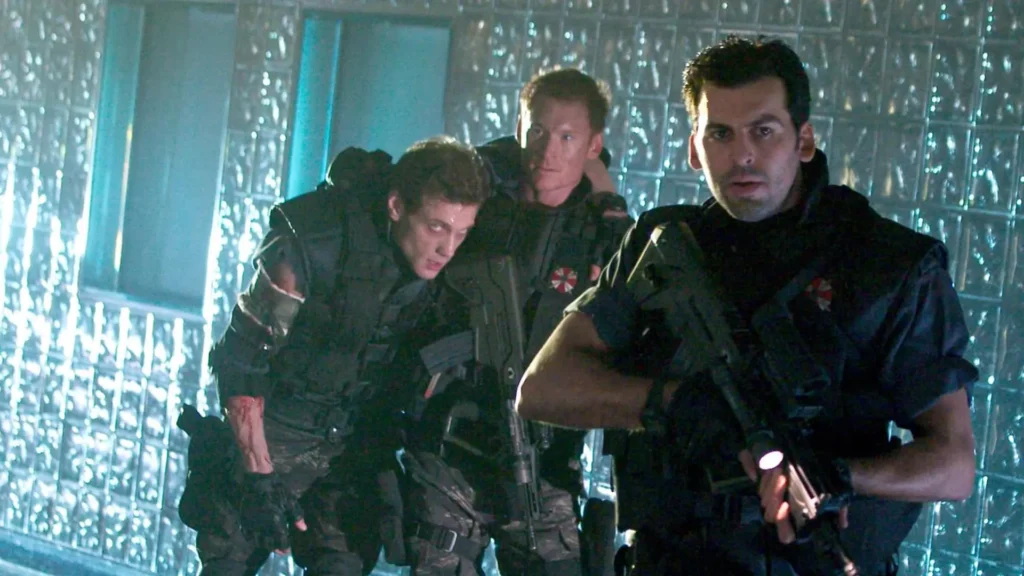
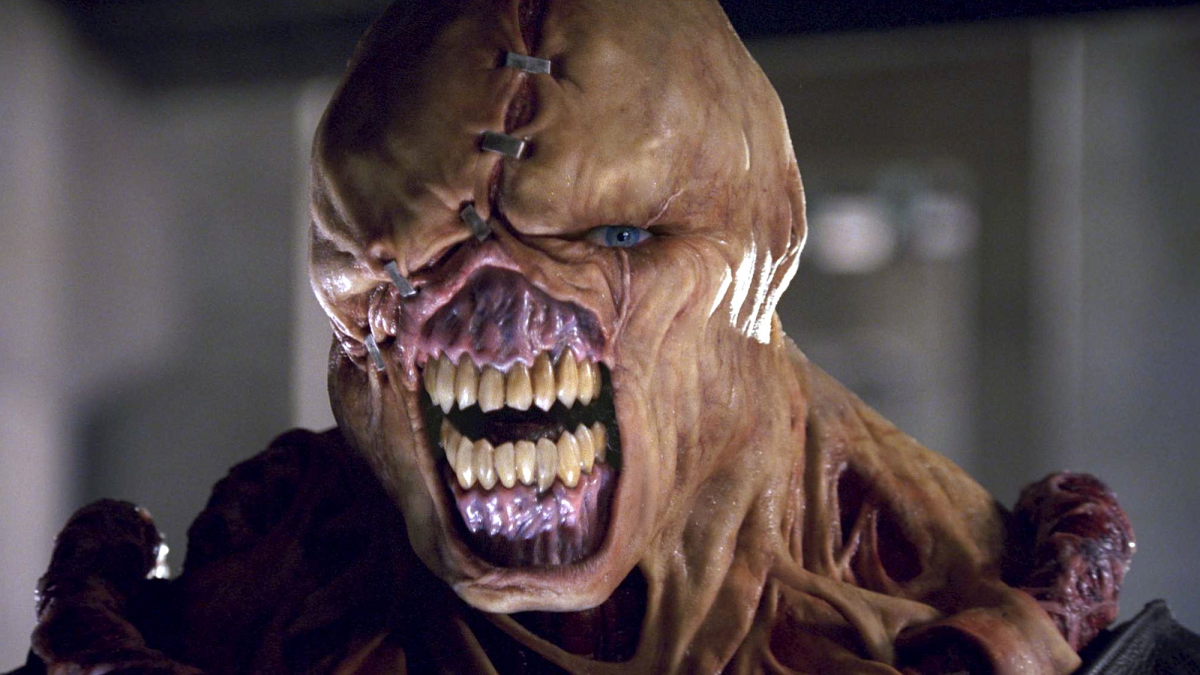
Apart from the aforementioned longer conversations and inner monologues (one of which was pretty amusing; Carlos reflects that he likes monster movies, even the newer Mummy films — particularly the “cool guy with the long hair.” I trust anyone reading Fango can follow the meta joke there), the only other notable difference is that we occasionally get Nemesis' POV. If you recall, Nemesis was a mutated form of Matt, Alice's fellow survivor of the first movie, but it's not until the climax that his human side resurfaces. Here, he's kind of in there all along, just powerless to stop the programming that is having him kill people; whenever he is in his perspective, he's horrified by the things he can't stop himself from doing, internally hoping that the people he's about to kill can get out of the way in time.
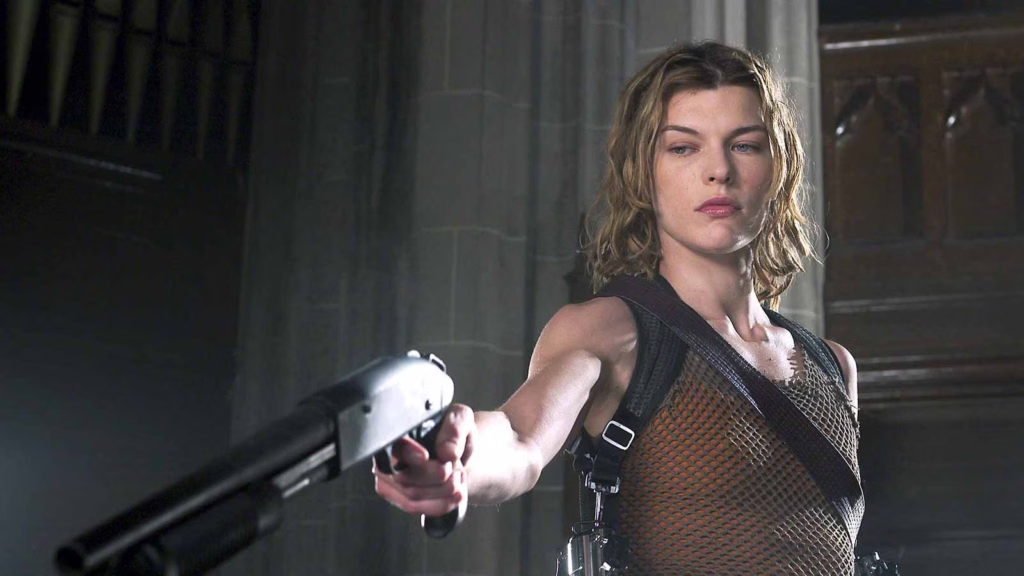
Basically, this one is definitely a fans-only affair. If you hated the movie, there's not enough here to change your mind, and let's face it: watching Milla do her thing is the main reason that these movies are as entertaining as they are, and you're not exactly getting that on the page. If you love this version of the world that Anderson and his cohorts had created, then you should enjoy the enhanced, “director's cut” type approach to this novelized form, particularly the handful of clearer character motivations, but everyone else should steer clear. There are something like 30 games in the series at this point, including spinoffs (more including arcade titles!), I’m certain playing one you missed would be a better use of your time.