Everyone knows someone desperately looking for the funding and resources to make their first feature film. For Nic Curcio and Kirby Gladstein, the inaugural winners of last year’s Fantastic Pitches competition at Fantastic Fest, that dream became a reality. Almost exactly one year after they were handed a giant check for $100,000 on stage at The Highball in the Alamo Drafthouse in Austin, Texas, their film Play House had its world premiere.
And the feedback has been glowing. FANGORIA contributor Brandon Wainerdi called the film “the best use of $100,000 he’d ever seen “ in his review at this year’s Fantastic Fest, and I agree with him wholeheartedly.
For transparency, Curcio and I have been “mutuals” online for many years, something that just sort of happens when you are as chronically online as we both are. As such, it would have been unethical for me to review Play House, but after seeing how genuinely chilling and well-crafted the final product was… I couldn’t shut up about it for the rest of the fest.
Admittedly, it was motivated by knowing exactly what the film was up against. On paper, a low-budget horror film premiering at the film festival, made as a result of winning a contest at the same film festival 365 days prior, sounds like a wack gimmick, and horror fans have been burned countless times by a similar song and dance.
Low-budget horror exceeding expectations is nothing new, with films like The Evil Dead and Paranormal Activity serving as blueprints for why it’s always smart to bet on horror. But beyond indie films exploding into the mainstream, there are Cinderella stories like Jeremy Gardner, who burst onto the scene with his FANGORIA Chainsaw Award-nominated feature The Battery, which earned distribution on a reported $6,000 budget. And more recently, Satan’s Servant, a micro-budget feature made for $2,000 by teenagers during the quarantine era of the pandemic.
And movie lovers, especially horror fans, love these sorts of success stories. I’d wager that’s a big reason the YouTuber-to-feature-filmmaker pipeline has stayed so buzzy this year; people inherently want to root for the underdog. As a result, “check out this low-budget film that doesn’t suck” has become its own cottage industry, and countless film competitions have sprung up to capitalize.
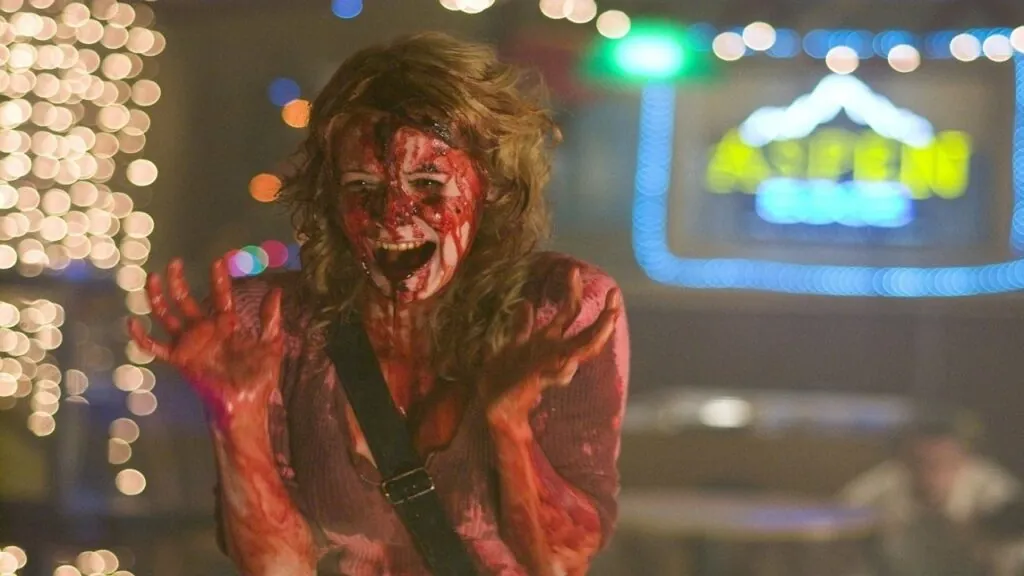
The third season of Project Greenlight gave us John Gulager, Patrick Melton, and Marcus Dunstan’s Feast, and the trio has since found continued success, especially Melton/Dunstan in the Saw franchise and The Collector films. But what of the filmmaker teams from other seasons? Can you name any of them without Googling?
“We've had these TV shows in the past, but it doesn't really work because they're more interested in the reality TV competition,” Curcio tells me, and he’s right. One of my favorite “Hey, remember this?” cultural oddities is The Chair, the forgotten Starz reality filmmaking competition that challenged two filmmakers to direct the same script and let the audience vote for the film they liked best.
The only problem is that the better film, directed by A.M. Lukas, lost the vote because Starz cast controversial YouTuber Shane Dawson at the height of his popularity. It didn’t matter how much better Lukas’ Hollidaysburg was than Dawson’s Not Cool, because his existing viral fame meant the results were decided before anyone showed up on set.
It’s easy to be cynical when something like the Fantastic Pitches competition is announced, because we’ve seen events like this fail (if not downright exploit) up-and-coming filmmakers while patting themselves on the back for “supporting indie film.”

But the proof, as they say, is in the pudding. Or in the case of the Fantastic Pitches, in the Play House.
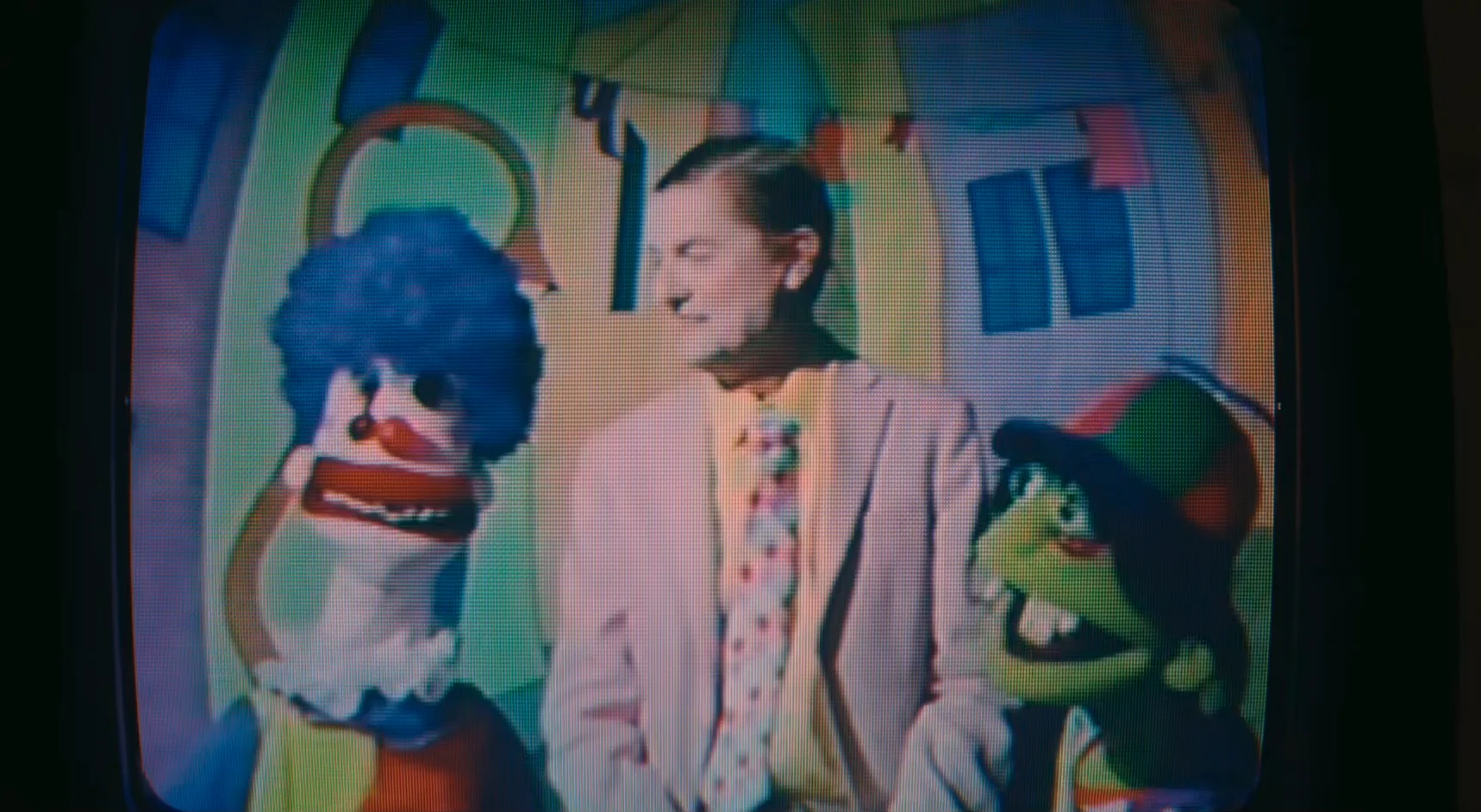
The film centers on a young man who buys a dilapidated house to try to win back his ex and finds a stash of VHS tapes for an unaired children’s TV show in the basement. Once he starts watching the tapes, strange things begin to reveal themselves within the walls of his new home, resulting in an eerie, contained nightmare of a viewing experience.
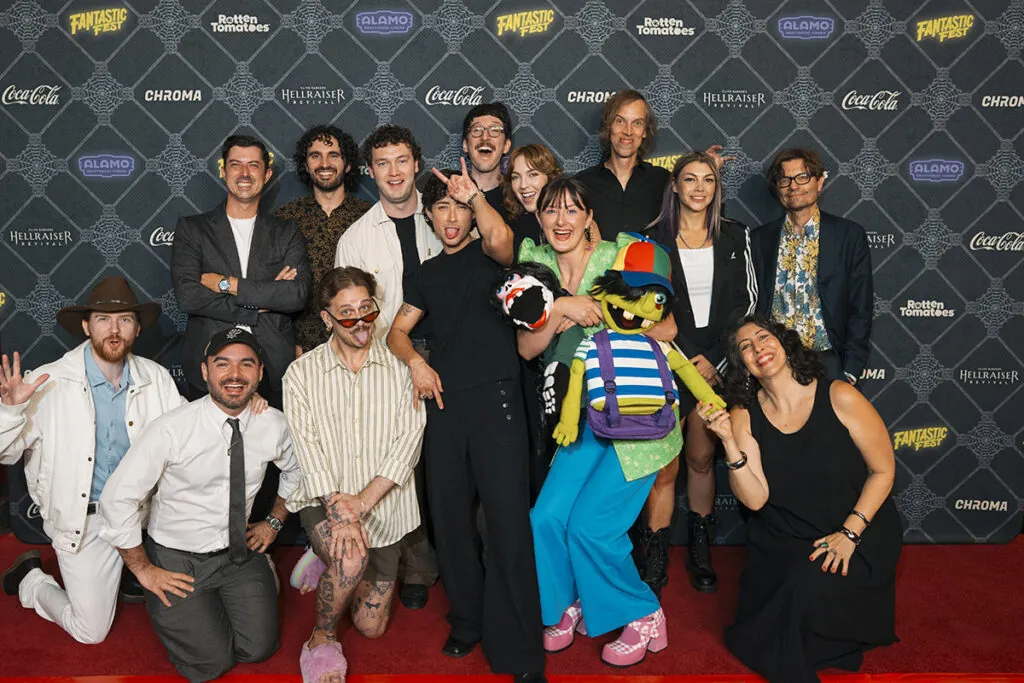
No spoilers, of course, but given the playful imagery surrounding the film’s promotional setup at the festival, I assumed I was in for something like Buddy or Mr. Crocket. I have never been more pleased to have been proven dead wrong.
Play House is a riveting watch, but it also goes in some incredibly dark directions that I can’t imagine a standard studio would let Curcio and Gladstein explore on their dime. “I definitely wouldn't have a movie made right now had I not done this competition, says Curcio. “And even though it was really hard, I never would have done it a different way because being told ‘the movie's due in one year’ created a crazy deadline and pressure, but it also- I'm just the type of person who needs that.”
This year, the Washington state team of writer/director Connor Martin and producer Josh Farnworth behind “Father Figure” won a $100,000 financing award from Chroma, a distribution deal, and a premiere at next year’s Fantastic Fest. The film is described as a ’70s-set wedding folk horror movie shot on a Technocrane.
Second place went to Georgia-based production “American Vermin,” which included writer/director A.K. Espada, producer Annie Jacob, and director of photography Alexandra Bock. The team received a Blackmagic Design PYXIS 6K Cinema Camera package from us at FANGORIA and a yearlong mentorship with all three jury filmmakers — Gore Verbinski, Catherine Hardwicke, and Nicolas Curcio — as well as Curcio’s creative partner, Kirby Gladstein.
Ahbra Perry, Vice President of the genre film production and distribution label Chroma, which launched the competition in partnership with the festival, told the audience at the 2026 competition that three of the five teams from the year before were either in production or nearly completed. So although Team Play House was declared the winner, that rising tide truly lifted all ships.
“I think the thing that made it so scary last year for me is also why it works, and that's because they're turning the pitch event into like a spectacle,” Curcio tells me. “Like last year, a ton of industry people came, and it was very clear even during the deliberation that everybody was kind of circling which projects they liked. And so I think it's not only about the winner. Almost all those other movies have gotten made.”
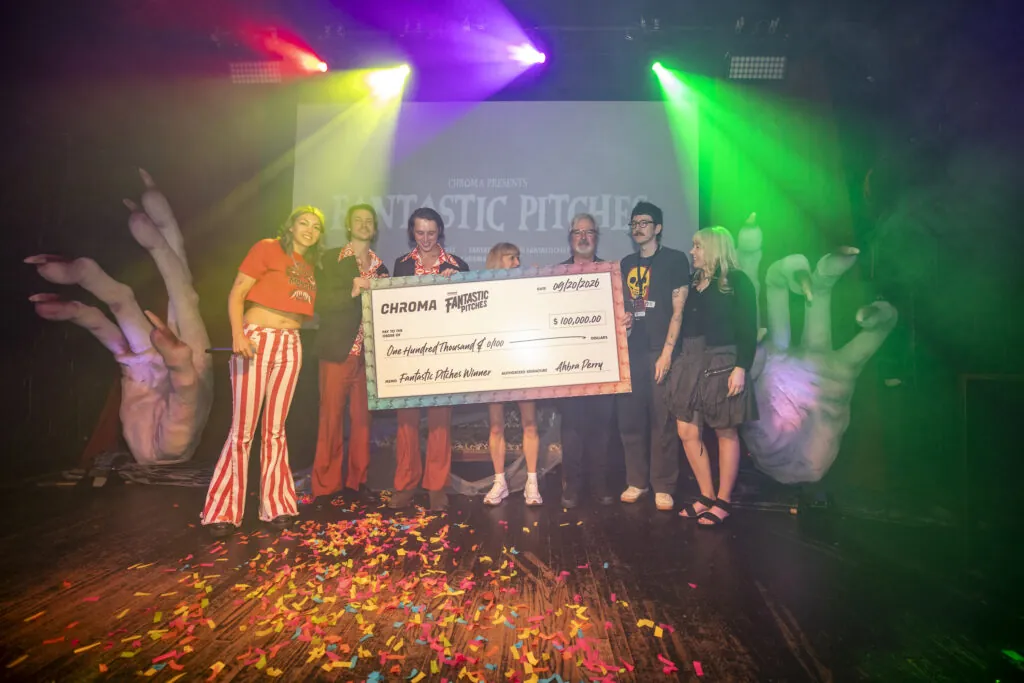
While nothing official has been announced in the days since the Fantastic Pitches competition took place, it won't be surprising if many of the films that weren't selected secured meetings, if not funding outright, from the many industry professionals sitting in on the presentations.
But for the teams that took home prizes, they're in for a wild ride.
“I think being forced to do it, even though it sounds completely insane to do it so fast and for so cheap, I think it's actually really, really beneficial to a first-time filmmaker to have that kind of timeline and pressure,” Curcio says. “I'm glad [Play House] has proven that it works, and I think it's a sustainable thing they can keep doing.”
If the reception for Father Figure or American Vermin is anything like the buzz for Play House coming out of this year’s Fantastic Fest, we are looking at two of the most promising new projects in the genre space.