
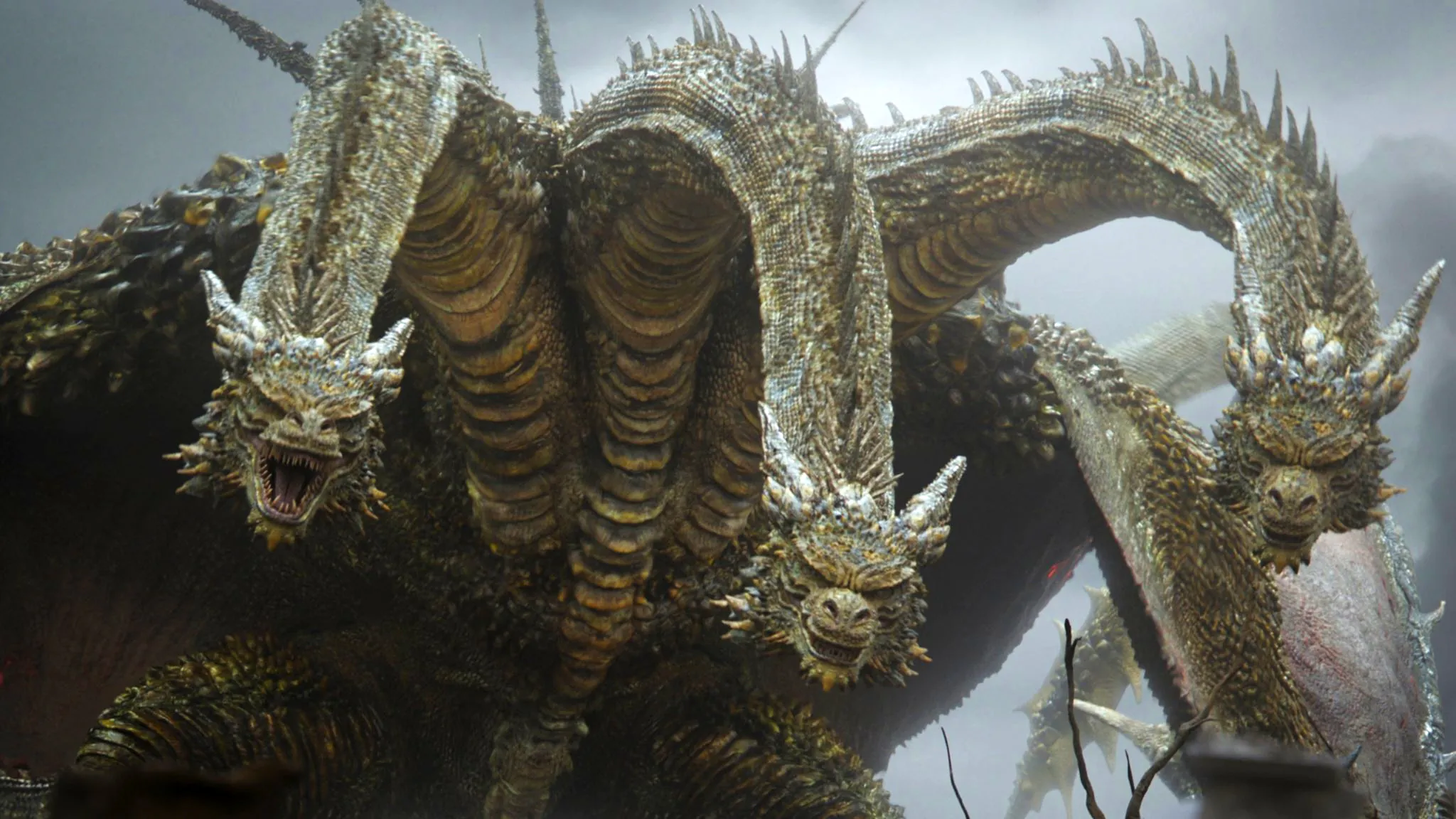
The King of the Monsters is back, baby. Director Takashi Yamazaki has returned with Godzilla Minus Zero, the highly anticipated follow-up to 2023’s Godzilla Minus Zero. In light of the first movie’s astounding success, it was always going to be hard to measure up. Fortunately, Minus Zero has received largely rave reviews so far. Yamazaki has done it again! Not content to repeat himself, though, the director did something different this time around. He went bigger, but he also went darker.
There’s always been a bit of a debate among horror die-hards about whether Godzilla movies are actually horror movies. Granted, if you’ve only seen some of the sillier entries like All Monsters Attack, I can see where that argument might hold water. That said, Godzilla Minus Zero is by far the most overtly terrifying movie in this legendary franchise's 70-plus-year history. And it’s worth talking about the film's most horrific moment.
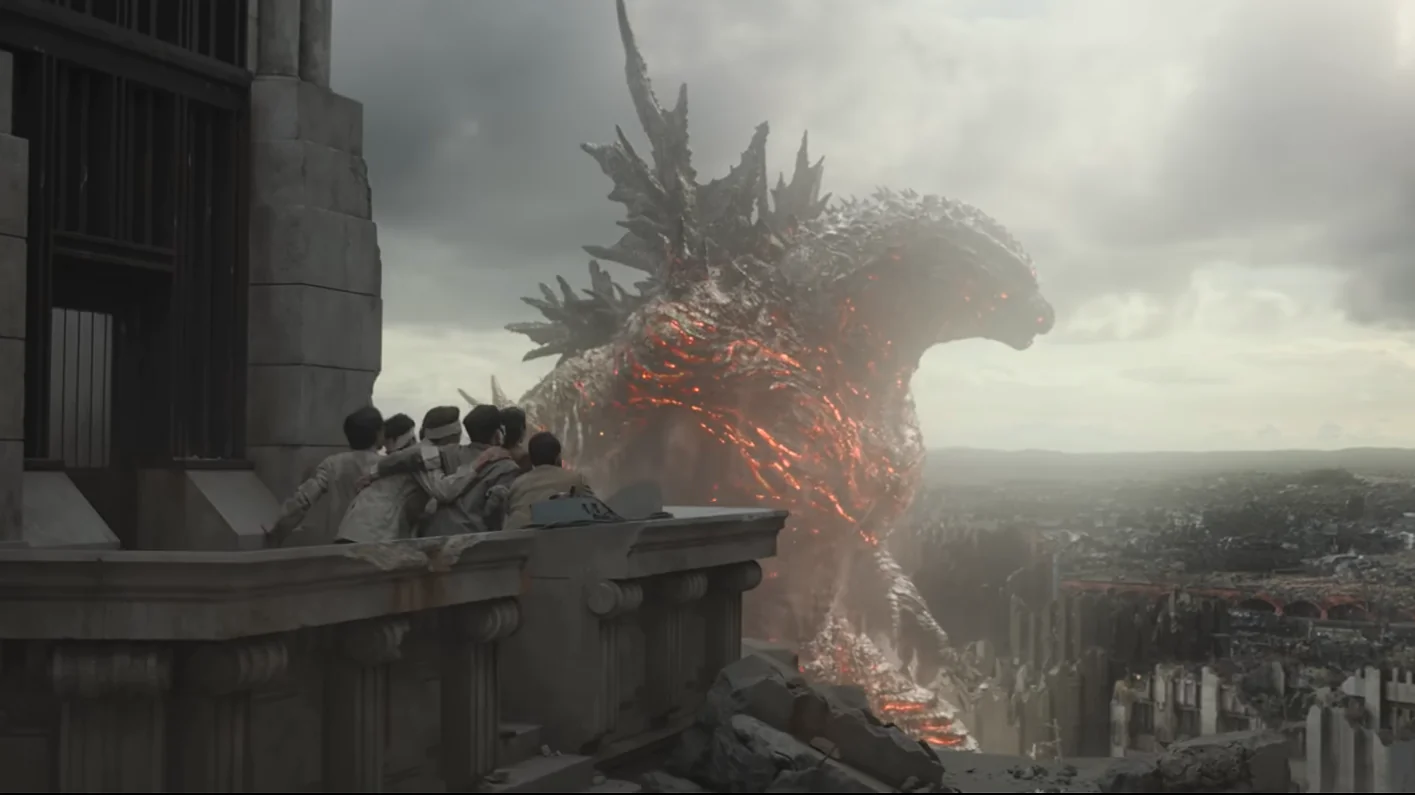
The sequel picks up two years after the events of Minus One, as Japan still struggles to put itself back together after Godzilla’s attacks in 1947. When King Ghidorah emerges, Japan is once again put on its heels, forced to contend with mass destruction. While this version of Ghidorah is undoubtedly terrifying, he’s not the most disturbing part of the movie.

Yamazaki revisits some of the events of Minus One through a new lens. In particular, we get to see the real, on-the-ground aftermath of Godzilla’s attack in a way no Godzilla movie has ever dared to show us before — and it’s fucking brutal. We see children missing their families, people bloodied up, bodies strewn about crowded, makeshift hospitals. It’s truly awful. But it’s also a reality that comes with a world being ravaged by giant monsters.
Godzilla Minus Zero is the first R-rated movie in the series, and it was poised to be the most brutal yet. Rather than just drop an F-bomb and show a little blood, Yamazaki made the most of the rating and showed some of the horrific consequences of all that destruction. Death follows. Families are ripped apart. There are remnants of violence that are downright graphic and tough to look at. In short? This movie goes hard.
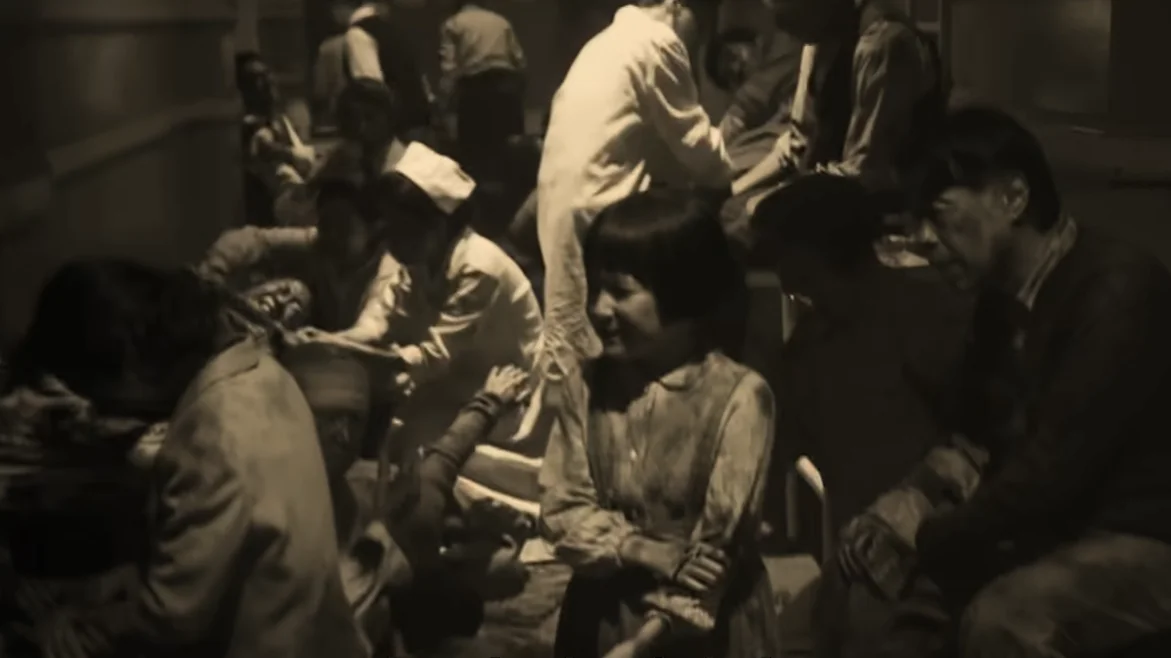
And it’s not just Godzilla’s attacks either. Yamazaki also shows us the aftermath of the bombing at Hiroshima in a very graphic manner as well. It adds a real sense of collateral damage to the proceedings. Yes, there’s a great deal of spectacle to enjoy, but in this more grounded world, the spectacle has consequences. This movie reckons with that in a way we’ve never seen before.
This franchise has always been rooted in the horrors of destruction, dating back to Godzilla’s first-ever attack on Japan. Ishiro Honda’s 1954 Godzilla was a direct response to the atrocities of World War II and, for the time, it was harrowing. What Yamazaki has done is bring that sensibility into modern times with his own cinematic flair, daring to show us the uglier side of these undeniably entertaining kaiju battles. It’s admirable in its commitment to showcasing this nightmarish imagery.

Godzilla Minus Zero is in theaters now.

