
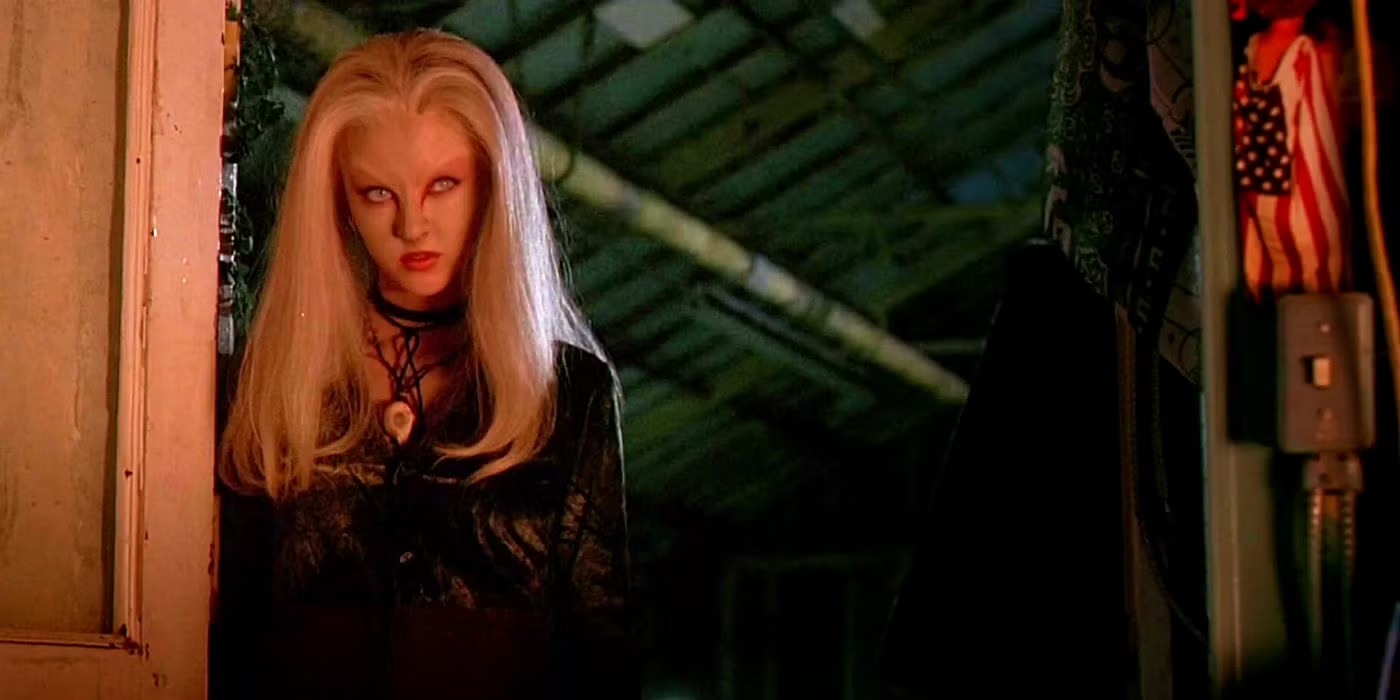
I’m not here to sugarcoat anything for the youths. In terms of fashion, we goth and grunge girls and boys of the ’90s and Y2K years had it all. We had a utopia of accessible vintage and mall finds when we were still in the early (read: less evil) stages of fast fashion. Amazon Prime delivery, TEMU, and Shein were still twinkles in the eyes of evil geniuses who were either too young or too fresh out of college to funnel their funds into the consumer-driven end times. Goodwill prices were reasonable, and there was a bounty of ’70s and ’80s velour, velvet, denim, and satin to be unearthed. To the dumpster divers went the spoils (and spoiled surprises), but it was worth the glory to feel like the coolest freshmen on the first day of high school in 2001.
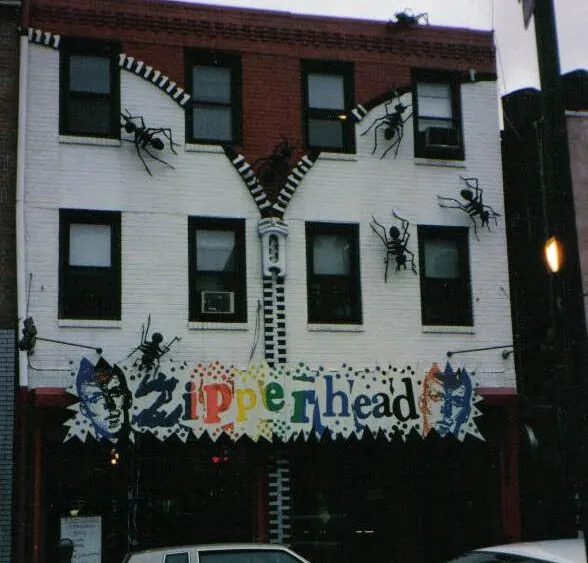
“One Saturday I took a walk to Zipperhead” is the opening line of The Dead Milkmen’s song “Punk Rock Girl” to most, but for early 2000s Philly teens, we really did take that walk because Zipperhead was still there on South Street, gleaming like a beacon of punk, goth, and alternative fashion and art installations turned signage of yesteryear. I bought a long-sleeved fishnet bodysuit and a satin gas station shirt for school picture day. My mom made me take off the fishnet—but I need you to know I almost made it out the door that day. The next year, I wanted so badly to be Clea DuVall’s Stokely “Stokes” Mitchell from The Faculty that I was willing to chop off all my brassy, self-bleached hair. I was far from the only one.

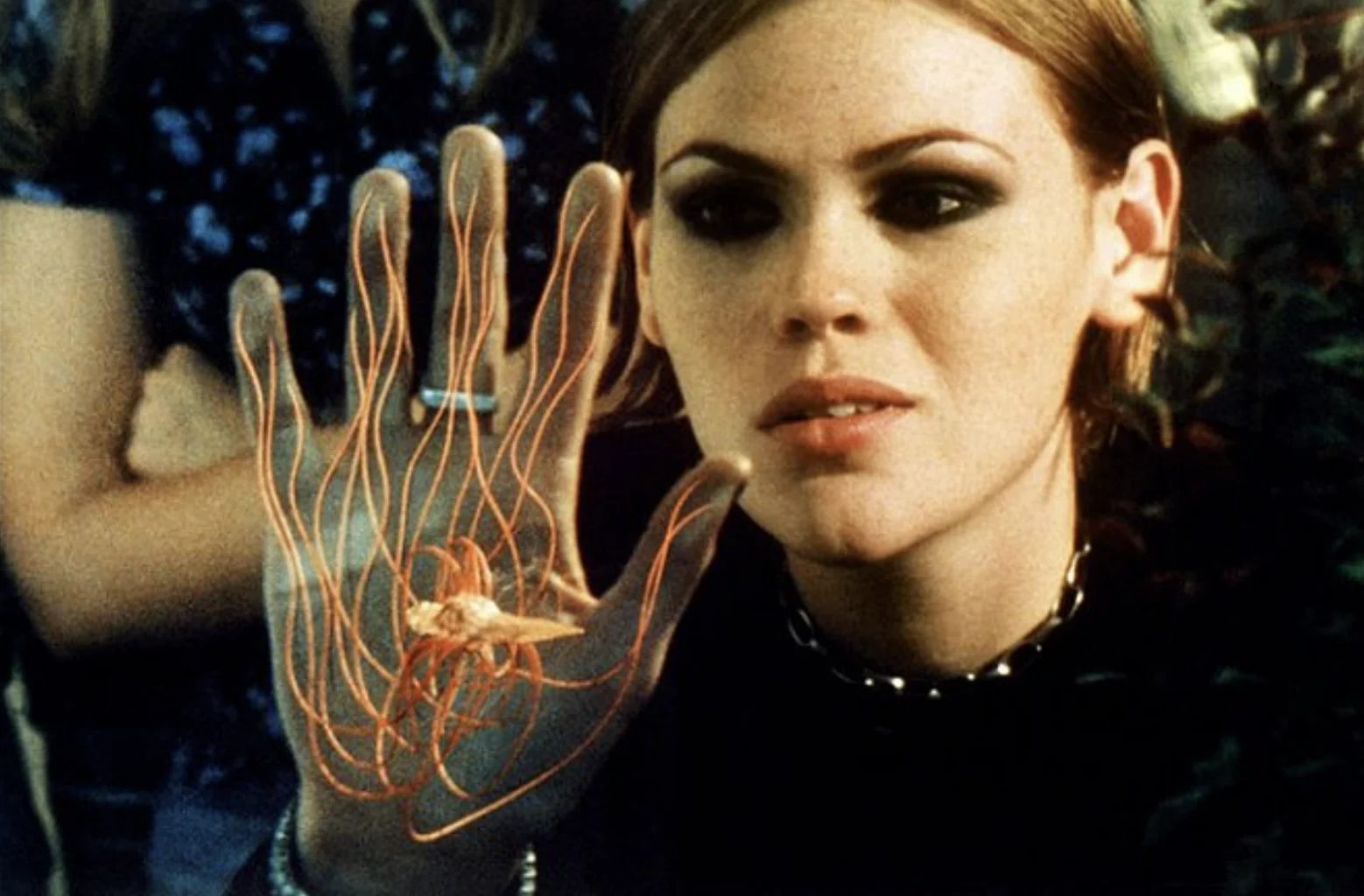
The centuries-old urge to be an outsider—a feeling many readers of FANGORIA will find familiar—carries artistic and particularly cinematic value, rooted equally in aesthetic and sensory appeal. Foremost among the reasons these looks work so well on screen is that the camera loves a flair for the dramatic. Vinyl, velvet, fishnet, satin, and a plethora of repurposed hardware are magnets for interesting lighting, with high-contrast reflections. Matte black eyeshadow looks striking against the glossy white of an eye. Leather, PVC, and other high-gloss materials reflect set lighting, creating sharp highlights along the body. These things create more definition, emphasize clean lines, and add a more aggressive edge to the overall look.
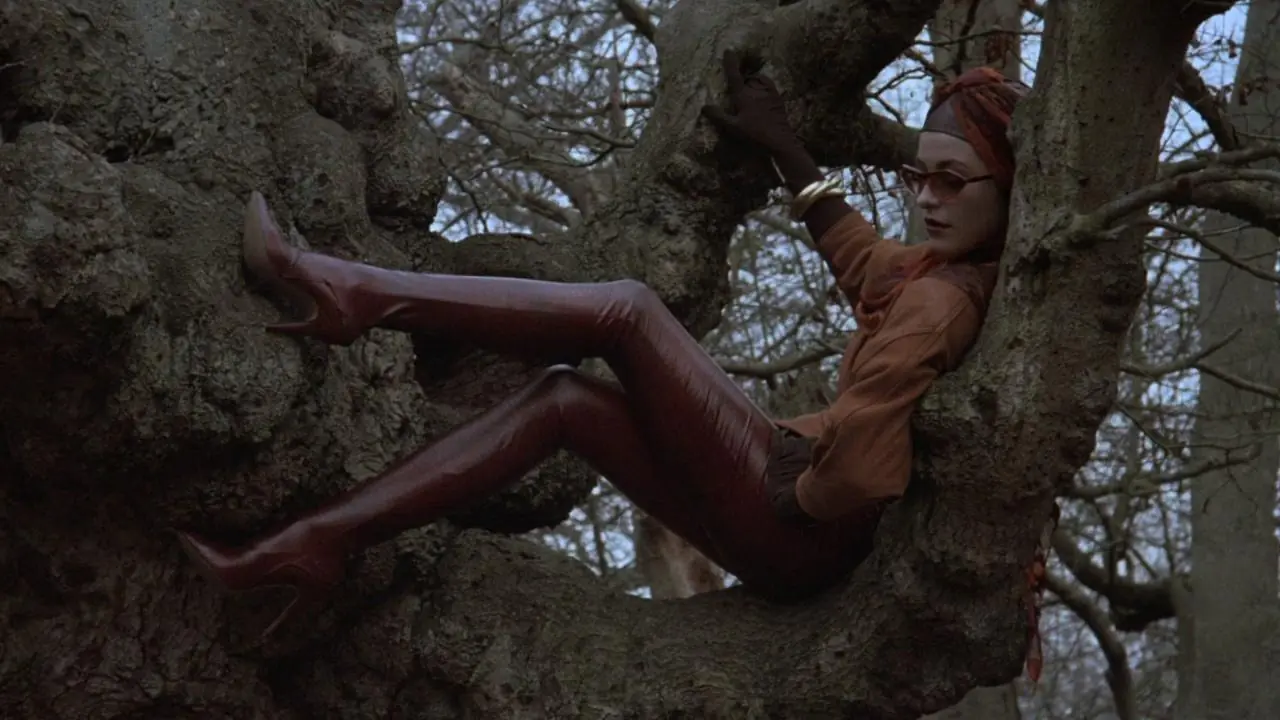
Unsurprisingly, the fictional wearers of these multifaceted fashions are as dynamic as their fabric choices. Even seemingly flatlined villains like Hellraiser’s Pinhead and Lady Sylvia from The Lair of the White Worm offer deeply erotic sexual appeal alongside their torments. But for us mere mortals—or near-mortals—unable to attain complete god-tier status in both fashion and evildoing, there’s the high school misfit archetype. The Craft, The Faculty, May, Jennifer’s Body (bring back the guyliner, Kyle Gallner!), Heathers, Beetlejuice—the list may feel a bit finite, but their legacy of self-expression is limitless. Best yet, they often come with deep, emotive, and often transcendental soundtracks.
Then there’s John Fawcett’s Ginger Snaps, a Canadian werewolf film that understood the assignment long before Tumblr made morbid girlhood a mood board—although that may be a direct pipeline to cause and effect. Ginger and Brigitte Fitzgerald’s wardrobes are a master class in suburban grunge: oversized sweaters, striped layers, thrift-store knits, dark skirts, chunky shoes, and the kind of perfectly worn, deliberately unpolished styling that made looking like you hadn’t tried the whole point. Even through a screen, their clothes feel reworked, and authentically worn rather than assembled by a fast-fashion algorithm. That scruffy, darkly romantic aesthetic carried the DNA of ’90s grunge into the new millennium, where it mingled with mall goth, punk, and the increasingly theatrical silhouettes of Y2K alternative fashion. But Ginger Snaps gives those familiar teenage signifiers a distinctly monstrous edge: as Ginger transforms, her evolving appearance turns puberty, sexuality, and the fear of becoming someone unrecognizable into one gloriously bloody fashion statement. The message is practically stitched into every oversized sleeve and dark layer: growing up is horrifying enough without the fur, fangs, and questionable impulse control.

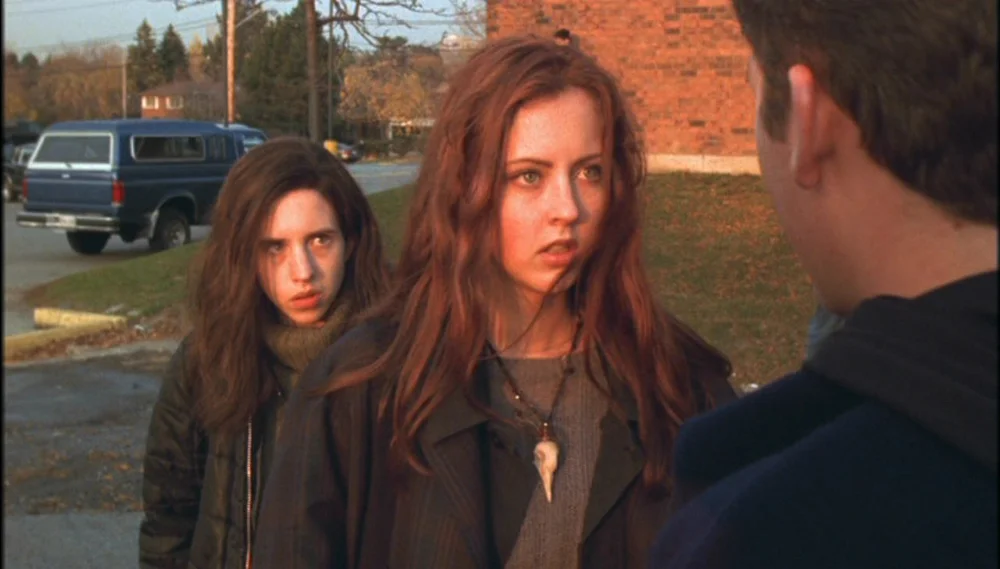
When I was an adolescent, my mom always wanted me to be myself, but she desperately wanted me to be accepted in a way I wasn’t quite capable of navigating. For me, and certainly for many others, the power of subculture has always been the thought that “maybe there is something out there for me, too.” Maybe this lesser-tapped underbelly of music and culture has a place for me, and I just don’t know it yet. Movies gave us hope. There is a sympathy for the struggle of otherness built into alternative cultures, and at their best, these communities already practice anti-racist, pro-queer openness—even if we’re frequently disappointed to find the bad eggs.
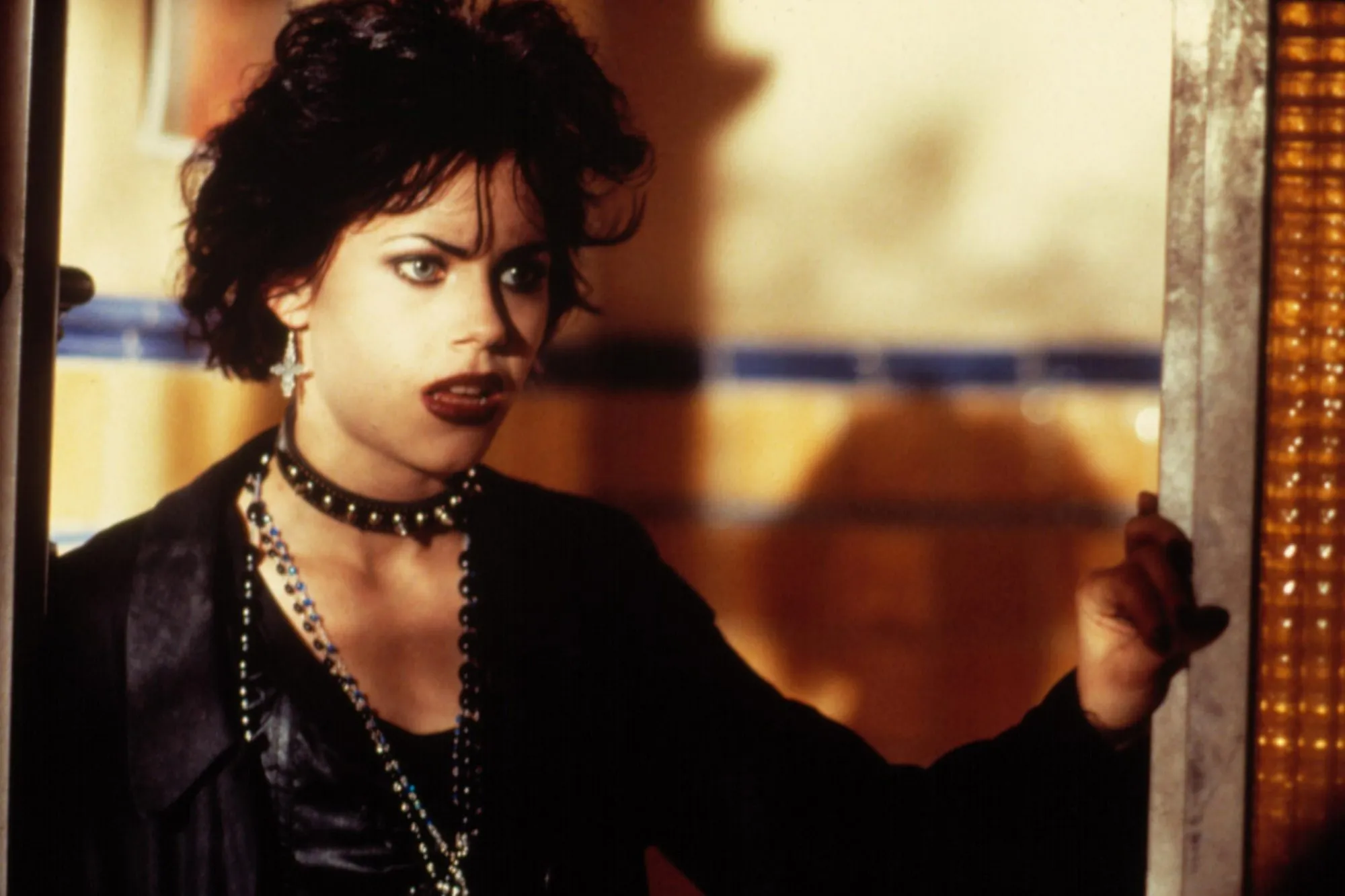
The iconic films that put the unusual at the center of attention shone a spotlight on the power of the outcast—sometimes good, sometimes evil, but always gloriously strange. For every Father of the Bride, there was The Addams Family. For every She’s All That makeover, there was a Ginger Snaps transformation. For every Clueless clique, there was The Craft initiation, reminding us that the girls on the outside might just have the most power. And while John McClane was busy saving the day in an undershirt and blue jeans in Die Hard, Eric Draven was making vengeance look like a goth fashion editorial in The Crow. Sometimes all we need is a little extra eyepaint and the right outfit to turn Bruce Wayne into Batman. You get where I’m going.
Join us for this month's FANGORIA Staff Pick, Ginger Snaps, on October 13, 2026 at Regal Theaters. Attendees receive a free collectible patch, pre- and post-show exclusive content from FANGORIA with Raven Griim, and Regal Crown Club members can earn 666 extra credits. For ticket information, click here.
To stay up to date on upcoming FANGORIA Staff Picks at Regal, join our official Fango Staff Picks broadcast channel . We'll see you at the movies!
