Last Updated on October 5, 2026 by BJ Colangelo
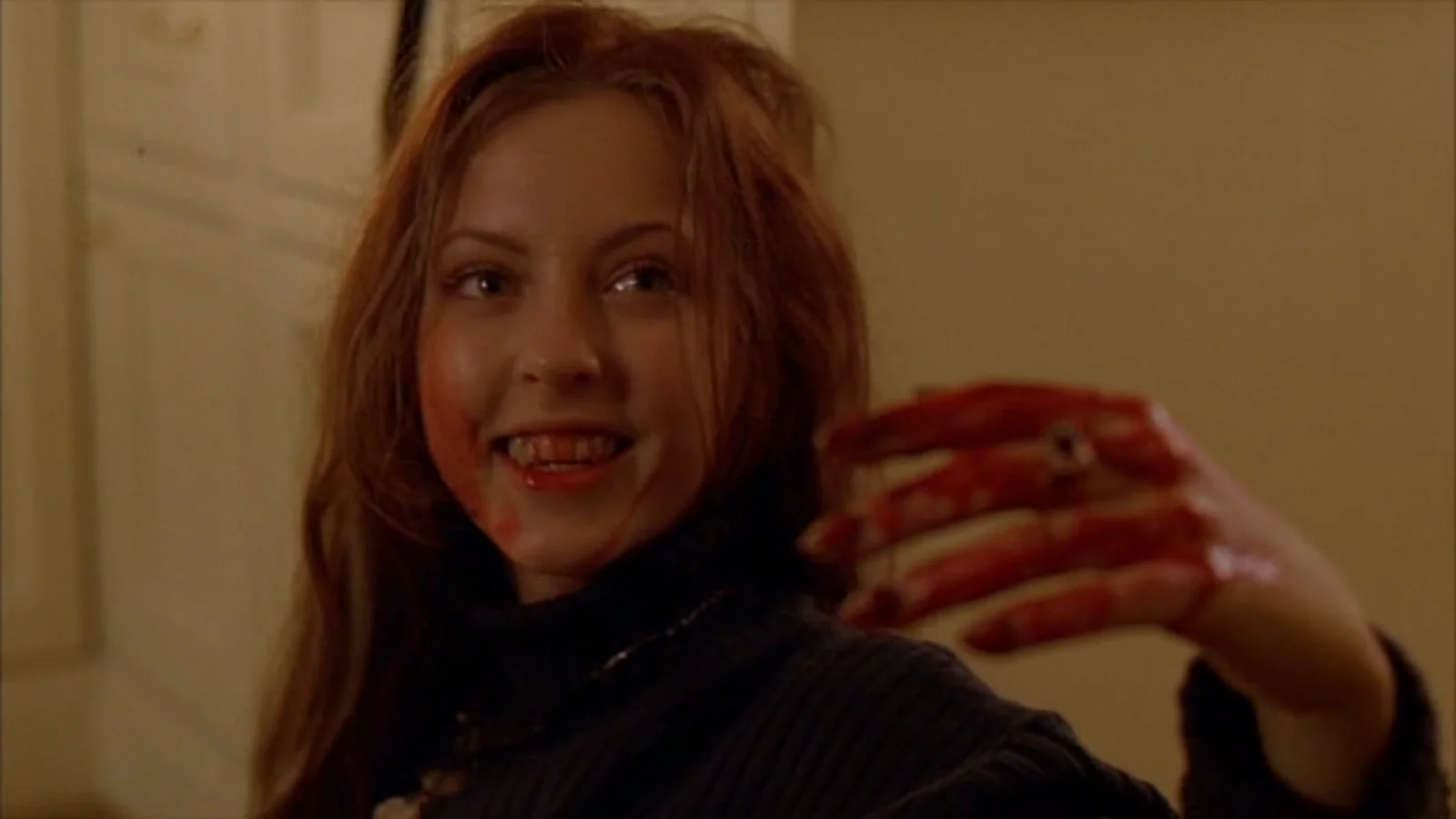
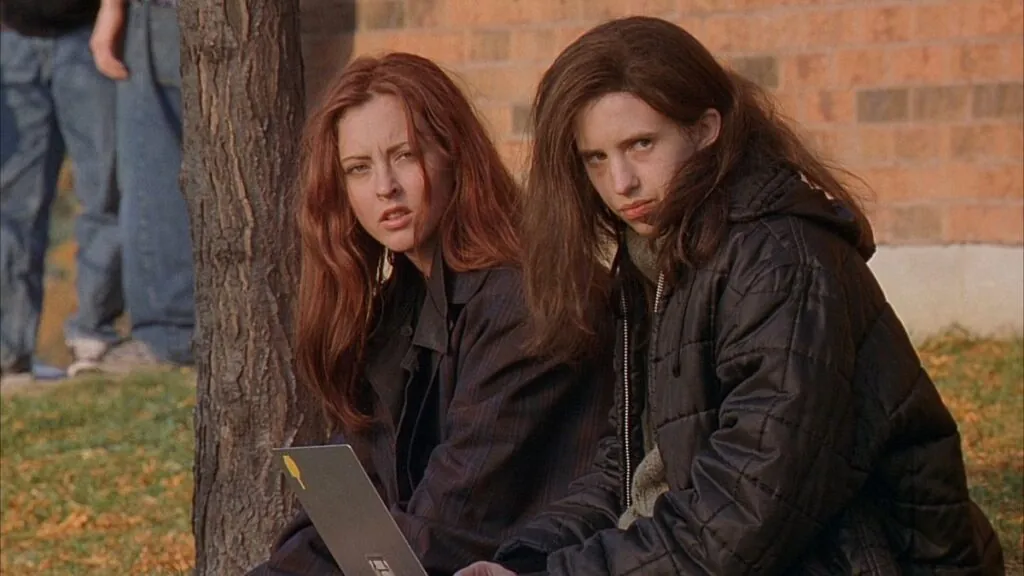
In John Fawcett and Karen Walton’s coming-of-age horror masterpiece Ginger Snaps, when Emily Perkins’ Brigitte notices that her sister Ginger (Katharine Isabelle) is exhibiting some odd behavior of the lycan variety, she exclaims, “Something's wrong with you. More than you being just… female.”
Horror films certainly provide the most opportunities for teenage girls to serve as heroic protagonists, but given the way teenage girls are treated by society at large, the genre also provides a vast runway to explore the nightmare that is coming-of-age as a young woman, in addition to allowing those who fear women and desperately need to paint us as something to fear to do so.
The term monstrous-feminine stems from feminist film theory, popularized by Barbara Creed's foundational (albeit dated and very bio-essentialist) 1993 book The Monstrous-Feminine. In it, Creed describes how horror media portrays cisgender female bodies, reproduction, and sexuality as terrifying or abject.
At the time of the book’s publication, nearly all critical writings on horror film explored women solely as victims, neglecting the frequency with which women are presented as tools of terror. Creed established seven “faces” of the monstrous-feminine, examining the archaic mother, monstrous womb, vampire, witch, possessed body, monstrous mother, and castrator.
Her work is foundational for a reason, but as the general public’s understanding of gender, sexuality, and how both spectrums can be presented has evolved, so too must our understanding of the monstrous-feminine. In particular, we need to make more room for the teenage monstrous femme.
Throughout horror history, teenage girls have worn all seven faces of the monstrous-feminine, but the specificity of age — not a girl, not yet a woman — differentiates them from the children or adult women who have also worn these faces. Regan MacNeil in The Exorcist is only 12 years old, and the possession of her youth signals a corruption of innocence. Meanwhile, despite also being minors, teenage girls in slasher films (save for the final girl) are traditionally depicted as deserving of the slaughter.
Why is that? What changes in just a few years that makes young women seem unworthy of protection? Well, to quote Needy Lesnicki from Karyn Kusama and Diablo Cody’s masterpiece Jennifer’s Body, “Hell is a teenage girl.” And if we look to a film like Ginger Snaps, it’s because once we’ve experienced “the curse,” society sees no going back.
Teenage girls, more than any other demographic, shape cultural trends and determine who or what is “cool.” This poses a direct threat to the status quo, which scares the absolute shit out of those desperate to maintain power. In response, young women are shamed or policed simply for existing, and made to feel monstrous for daring to claim ownership of their bodies and opinions.
In turn, these monstrous femmes (“femme” as in the French word and not the lesbian identity label) are created as instruments to illustrate a patriarchal society’s fear of women’s minds and bodies, as well as an outlet for women to embrace the monstrosities society wants us to see ourselves as.

It’s why some folks watch a film like Teeth from 2007 and think Dawn O’Keefe’s vagina dentata is the scariest thing imaginable, even though the film explicitly outlines that only rapists and creeps will feel her wrath. It’s why the telekinetic power of Carrie White is both an iconic moment of terror and arguably the mother of “Good for Her” horror cinema. And in the case of Ginger Snaps, it’s why everyone in Bailey Downs is weirded out by the Fitzgerald sisters long before Ginger is bitten by a werewolf.
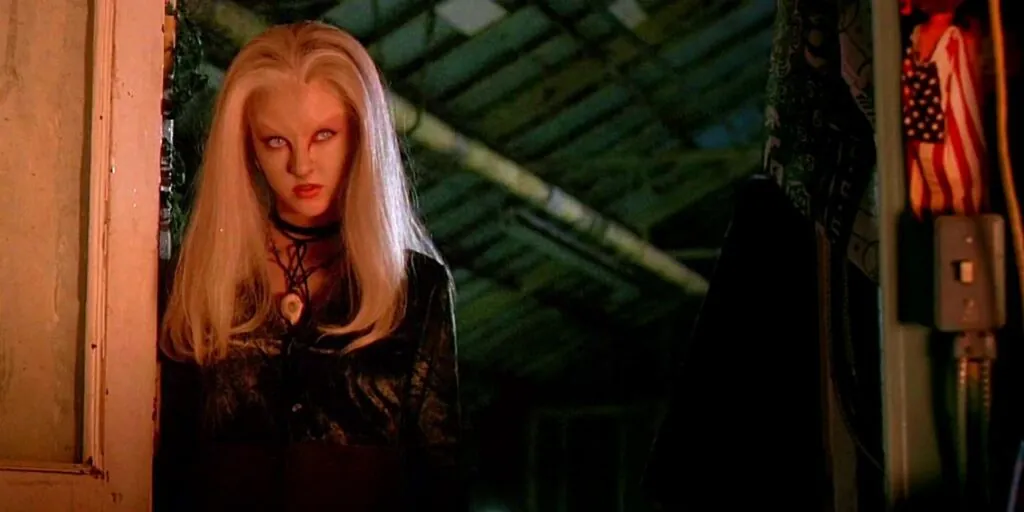
Of the countless films of teenage monstrous femmes, Ginger Snaps is arguably the most explicit with its metaphors. Ginger’s newly discovered lycanthropy parallels the start of her first menstrual cycle, and her condition is shown as irreversible. This subverts the usual werewolf stories that tie men’s transformations to the phases of the moon, or in the case of something like Twilight, a transformation they’re in complete control over.
But Ginger stays in wolf form once the “curse” is complete—an indication that women's monstrosity is innate and natural. And the fact that her classmates, teachers, and even her own father held the same disturbed opinion of Ginger before her transformation began reminds us that they don’t fear the wolf within her; they fear that she’s a teenage girl.
Join us for this month's FANGORIA Staff Pick, Ginger Snaps, on October 13, 2026 at Regal Theaters. Attendees receive a free collectible patch, pre- and post-show exclusive content from FANGORIA with Raven Griim, and Regal Crown Club members can earn 666 extra credits. For ticket information, click here.
To stay up to date on upcoming FANGORIA Staff Picks at Regal, join our official Fango Staff Picks broadcast channel . We'll see you at the movies!