Hi, I’m Emily Expedition, an archaeologist and researcher with a particular interest in the stranger corner of human history. For this series with FANGORIA, I've been exploring the historical world behind the upcoming video game, The Blood of Dawnwalker. From the Black Death and medieval ideas about diseases to vampire burials and the treatments people relied on when illness struck, examining these things together reveals how people tried to understand disease and death in a world without modern medicine.
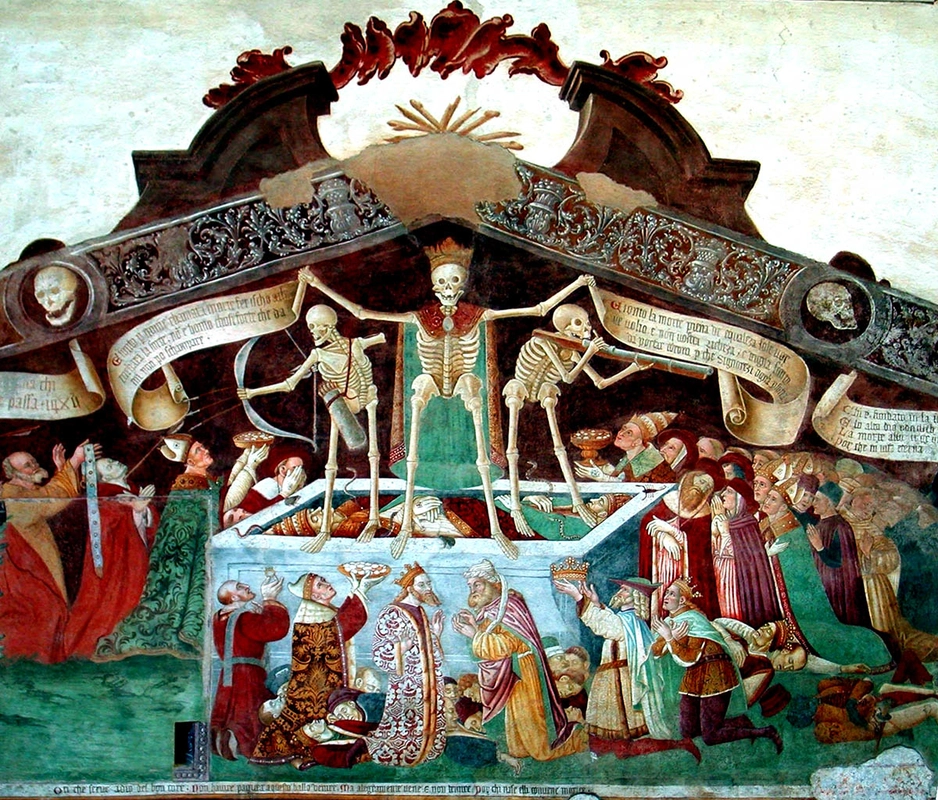
In 1347, when the Black Death arrived in Europe, it triggered one of the deadliest pandemics ever recorded in history. Over the following year, massive portions of the population disappeared, and communities were completely devastated. Mass burials also became more common, and people were basically forced to confront death on a scale they had never witnessed before.
There was also a very significant problem: nobody really understood what was causing it. There was no prior knowledge of bacteria and no germ theory to explain why someone who appeared perfectly healthy could just suddenly become sick and die. In that kind of environment, there was plenty of room for fear to fill the gaps.
How The Black Death Created The Perfect World For Vampires

Now, the Black Death didn’t create vampire folklore. There had already been long-held beliefs about revenants, restless corpses, and dangerous dead people before the plague reached Europe. But the epidemic created the almost perfect conditions for those fears to spread and evolve.
Without an understanding of infection and microorganisms or modern knowledge of what happens to the human body after death, the supernatural starts to feel way less ridiculous. Bodies that decomposed in unexpected ways were fuel for superstitions. Existing stories of the restless dead suddenly had new relevance, and in some parts of Europe, beliefs surrounding revenants and vampires had become tangled up with disease and death.
Of course, people living through the plague needed an explanation for what was happening to them, and medieval Europe had plenty to choose from. Today, we know that the Black Death was caused by the bacterium Yersinia pestis, but in the 14th century, people interpreted this disease through the systems they had already understood and believed in.
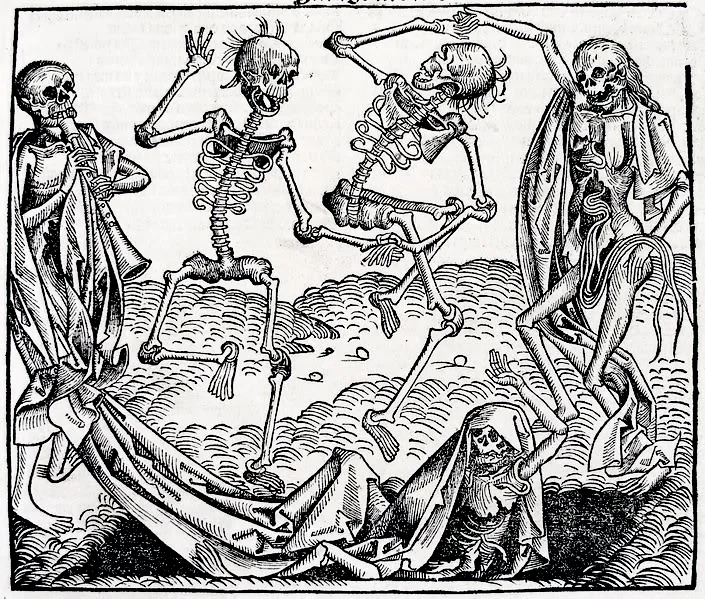
Some believed the Black Death was divine punishment and that if entire towns were being destroyed, surely God must be angry about something. Others blamed miasma, the idea that corrupted or poisonous air could cause disease. Some of these things were viewed with heavy suspicion, such as foul smells, rotting or decaying matter, and polluted air, which is why people burned herbs, used perfumes, and carried strong-smelling plants and flowers in the hope that pleasant smells could protect them from dangerous air.
Astrologers looked upward and argued that strange planetary alignments had somehow corrupted the atmosphere below. The plague had completely destabilized the way people understood their reality. The air was dangerous, the heavens were dangerous, and eventually the people became dangerous too.
What People Actually Thought Was Causing The Black Death
View this post on Instagram
That brings us to one of the strangest physical traces of European vampire belief: so-called “vampire burials.” Now, archaeologists aren’t finding literal vampires but human beings buried in unusual ways seemingly intended to keep potentially dangerous dead from returning.
In Pień, Poland, archaeologists uncovered a 17th-century woman who was buried with an iron sickle across her neck as well as a padlock on her toe. This arrangement appears to have served a more apotropaic purpose, like protecting the living from the dead. If the corpse should attempt to rise, the blade was already waiting across her throat.
The Real Vampire Burials Found Across Europe
View this post on Instagram
Other discoveries are even more disturbing! Near a church in Luzino, Poland, burials had been uncovered where some bodies had been decapitated, with their skulls placed between their legs, a practice connected in some reports with attempts to prevent the dead from coming back.
Part of the explanation could lie in decomposition itself. Bodies swell as gases accumulate; blood can appear around the mouth and nose, and receding skin can make teeth, hair, and nails look much more prominent. To us, these are ordinary postmortem changes, but to someone expecting a vampire when they open a grave, this could look like proof that a corpse had been feeding.
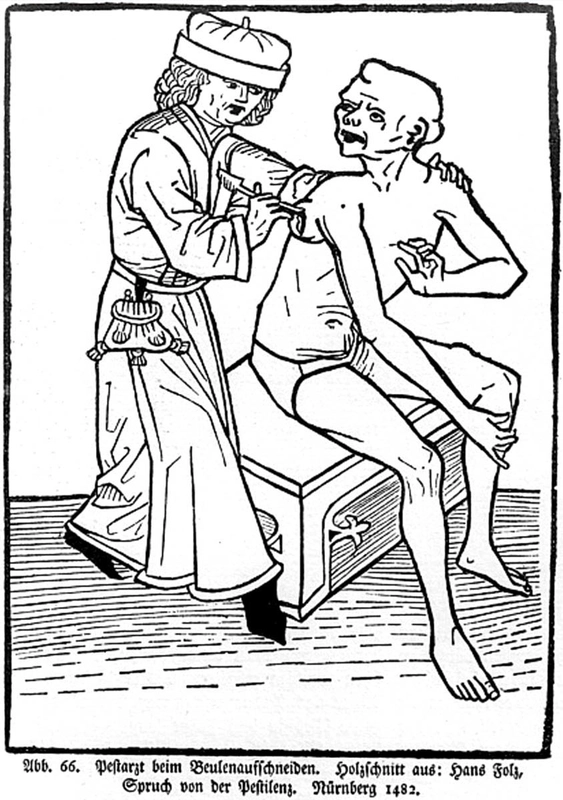
If being mistaken for a vampire was bad, surviving long enough to see a medieval doctor was not necessarily better. Medieval medicine was heavily influenced by the theory of the four humours. The ancient medical concept centered on four core fluids — blood, phlegm, yellow bile, and black bile. Illness was understood as an imbalance between them, so the treatments often attempted to restore that balance through practices such as bloodletting.
Then the remedies become considerably stranger.
Medieval Cures That Sound Like Horror Stories
View this post on Instagram
One treatment for a serious throat complaint involved a gutted cat stuffed with herbs, animal fats, and hedgehog grease, roasted and then used on the patient's neck. A remedy for gout called for a puppy stuffed with snails and sage so its fat could be used as an ointment. Chronic aches might be treated with powdered owl mixed with boar’s grease, while eye ailment remedies could involve hare bile and honey.
At a certain point in my research, refusing to tell anyone you were sick began to seem like the safest option. But reducing medieval medicine to absurdity kind of misses the point here, because doctors were working within the medical theories, inherited texts, religious beliefs, ingredients, and observations available to them at the time.
Humoral medicine was an established framework for understanding the body, not just random superstition. Some treatments may have caused harm while others may have produced real effects for reasons medieval doctors didn’t yet understand.
The plague theories, vampire burials, and gruesome medical remedies all grow from the same question: something terrible is happening, so how do we explain it and stop it? Sometimes the explanation was poisoned air, sometimes an imbalance of humors, sometimes celestial forces, and sometimes the dead themselves became suspects.
The Black Death, medieval medicine, and unusual burial practices all show how deeply mortality and belief were connected in medieval Europe. That history helped to inspire the world of The Blood of Dawnwalker.
Follow Emily Expedition and FANGORIA on social media for the full series, as we continue exploring the real history behind the game in upcoming episodes.