
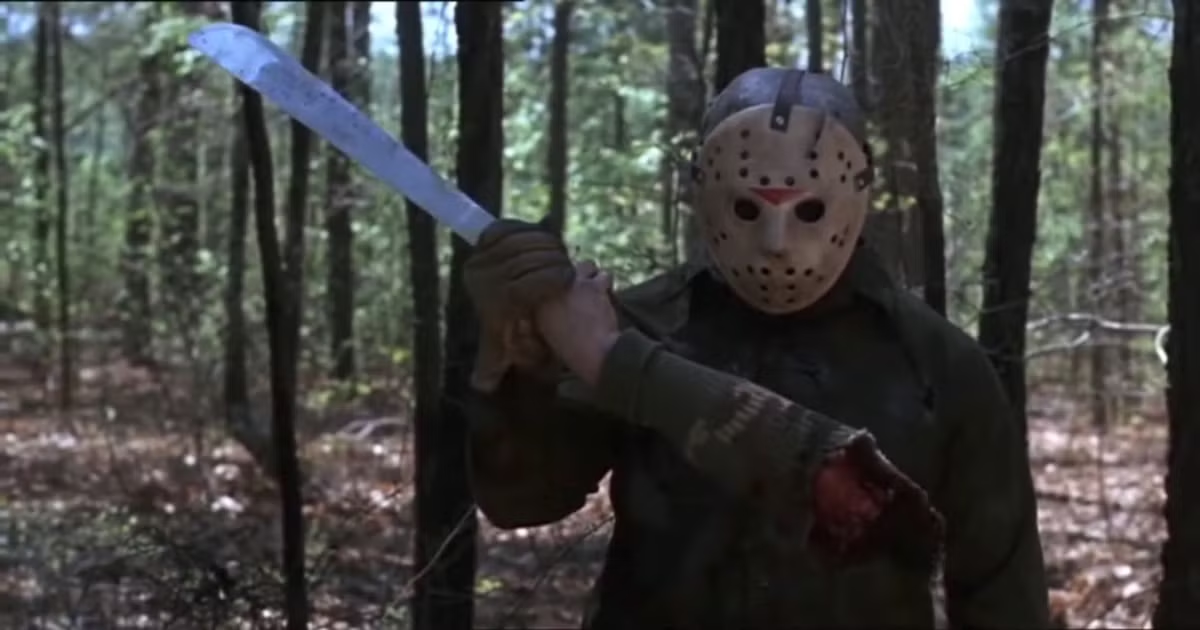
2026 marks the 40th anniversary of Friday the 13th Part VI: Jason Lives. Tom McLoughlin's film helped define the character we know today and demonstrated just how much life remained in a series many had already begun to write off. Forty years later, its influence is still felt throughout horror, and its legacy deserves to be about more than nostalgia. Frequently cited as one of, if not the best entries in the franchise, Jason Lives is praised for its humor, gothic atmosphere, and the moment Jason Voorhees finally became the supernatural monster audiences had already imagined him to be.
By the sixth installment, hardcore fans understood Jason Voorhees' mythology as well as (and sometimes better than) the people actually making these movies. McLoughlin embraced that shared history rather than pretending otherwise. The result was a film that invited audiences to laugh with it instead of laughing at it. It winked at its own legacy while remaining committed to building suspense, generating atmosphere, and the simple joy of reintroducing one of cinema’s greatest monsters.
That balancing act has become much more common over the last few decades. Modern horror often relies on the audience’s fluency in genre conventions, especially in legacy sequels, self-aware slashers, and the playful deconstruction of familiar tropes. Looking back from 2026, it is remarkable how much of that sensibility already shows up in Jason Lives. That may sound like an ambitious claim, but four decades of hindsight can reveal qualities that were hard to recognize in the moment.
By 1986, the slasher boom was running out of steam. Movies that had felt dangerous and unpredictable at the beginning of the decade were becoming increasingly formulaic. The formula still worked, but people could taste its staleness. Audiences did not need another explanation of Jason, nor did they need another group of interchangeable victims and long stretches of exposition. They wanted momentum, memorable characters, and a Jason who felt worthy of the reputation he had built in pop culture. By refusing to chase the trends of 1986 and instead reaching back to horror’s oldest traditions, he outlined a path toward the genre’s future.
Long before Hollywood turned “legacy sequel” into one of its favorite phrases, Jason Lives recognized that the audience already had a relationship with its monster. Since then, we've celebrated filmmakers who reinvented horror through careful analysis. Wes Craven did it with Scream, and Drew Goddard did it with The Cabin in the Woods. Modern audiences are accustomed to films like Halloween (2018), Scream (2022), and I Know What You Did Last Summer (2025), which rely on nostalgia, shared cultural memory, and decades of familiarity, but in 1986, that approach was far less common.
Many horror sequels still operated as though each installment might be someone’s first, including recaps, lengthy exposition, and repeated explanations of mythology that regular viewers already understood. Jason Lives moves in the opposite direction almost immediately. Tommy Jarvis digs up Jason’s grave because he believes Jason’s return is inevitable, and the audience understands his obsession without explanation. Anyone buying a ticket to the sixth Friday the 13th knew why this young man had been psychologically shattered.

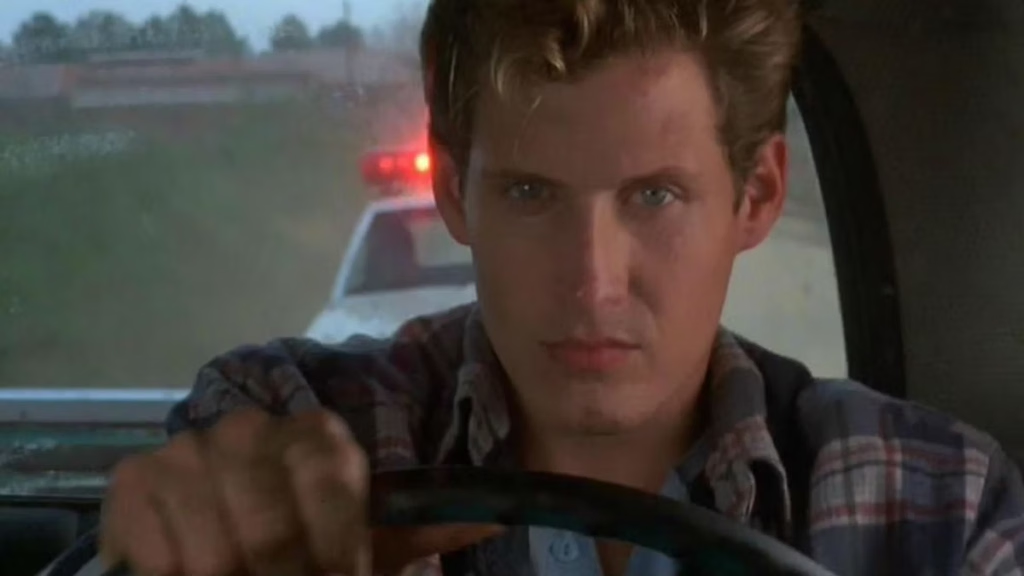
Because the film assumes this shared understanding, it can focus on expectation rather than exposition. Every scene is shaped by what the audience and the characters believe they know. Tommy spends the movie trying to convince everyone that Jason has returned, while viewers know from the beginning that he is telling the truth. The tension comes from watching everyone refuse to believe Tommy until it is too late. The film also understands that Jason had become larger than the franchise itself. By 1986, his hockey mask was recognizable even to people who had never seen any of the movies. McLoughlin leaned into that cultural shift by staging the return of an established legend.
One of the most interesting things about Jason Lives is the way the audience seems to occupy an invisible seat inside the story. The characters do not break the fourth wall in any sustained way, and the film never becomes a parody of itself. Instead, the narrative is built on the knowledge that we, as viewers, understand more than most of the people on screen, which changes how the suspense works.
Sheriff Garris is not presented as foolish, and his skepticism makes complete sense from his point of view. Had we not witnessed the resurrection ourselves, we might be more inclined to agree with him. That gives every conversation between Tommy and the sheriff an extra layer of dramatic irony because we know that each wasted minute gives Jason more time to move toward the camp.
Tommy becomes something like a horror fan trapped inside his own movie. He knows the rules because he has lived through them, but he is surrounded by people who insist the nightmare belongs in the past. Anyone who has ever shouted at a horror movie recognizes the feeling. That is a large part of why Jason Lives still feels fresh. We are not merely passive observers; we are complicit as we cheer Jason on.
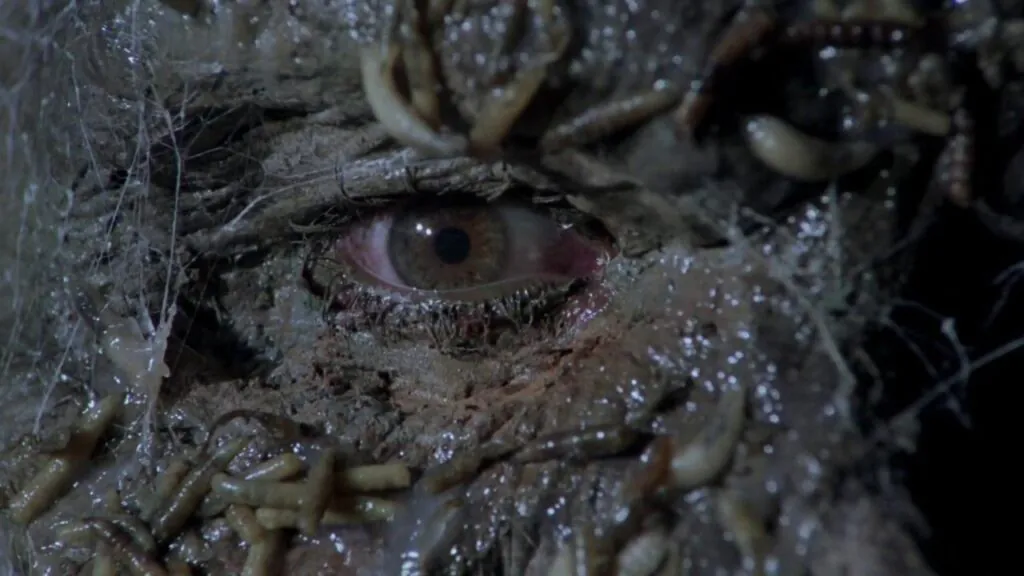
People often describe Jason Lives as the movie that gave us “Zombie Jason.” While technically accurate, that phrase undersells the transformation. For the first four films, Jason is frightening but still bound to the scientific laws of the physical world. He runs, stumbles, bleeds, and reacts to pain. His strength is extraordinary, yet a sense remains that flesh and bone exist beneath the hockey mask. He is a killer whose body can eventually fail him, even if only temporarily.
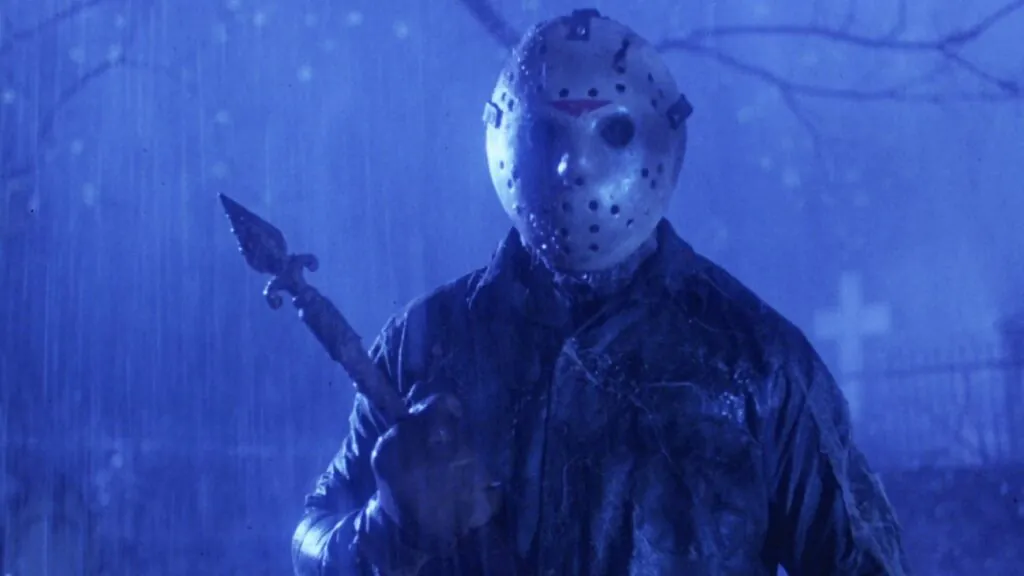
In The Final Chapter, Jason dies because Tommy overwhelms him physically. The monster is terrifying, but he remains mortal. Jason Lives erases that boundary with a bolt of lightning not unlike Frankenstein's monster. The moment is beautifully absurd because it commits to an idea the series had been approaching for years. Jason had already become larger than life in the public imagination. Audiences no longer thought of him as a disturbed man hiding in the woods. They saw an immortal bogeyman, and McLoughlin made that perception literal. C.J. Graham brings very little visible rage to the role, and his movements are deliberate and controlled. That patience makes him terrifying.
McLoughlin understood that horror icons eventually outgrow their origins. Dracula becomes more than a count. Frankenstein’s Monster becomes more than an experiment, and the Wolf Man becomes more than one cursed individual. They evolve into myths that can exist independently of the stories that introduced them. Forty years later, Jason belongs in that company. Jason Lives finally convinced us that death was never really the point.
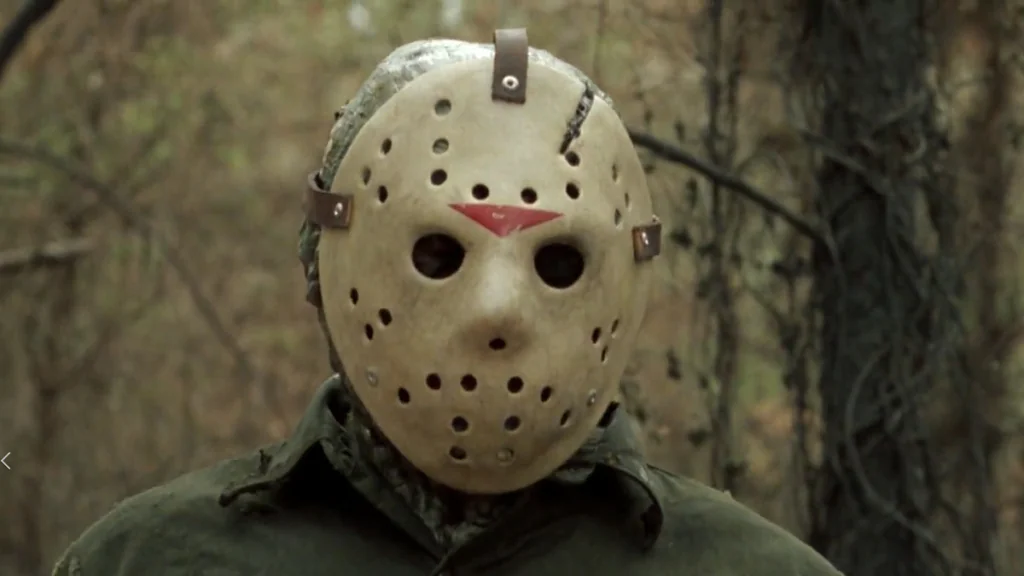
It is difficult to separate our collective image of Jason from the version created here. When people picture him standing in the woods, moving through fog, or pursuing victims without urgency, they are often imagining the supernatural incarnation born in Part VI. The Jason who later appeared in comics, video games, toys, Halloween costumes, and popular culture owes much to Graham’s interpretation. Discussions about the best Jason performer often focus on physical size, stunt work, or memorable kills. Those things matter, but Graham’s greatest contribution is the complete absence of urgency in his performance.
Even when characters slow him down, he never looks frustrated. Obstacles that would exhaust a human opponent barely register. He gets back up and continues walking, and his calmness suggests absolute certainty. Jason doesn't need to prove he is stronger because he already knows it. McLoughlin often frames him standing perfectly still before he moves. That restraint makes the sudden violence more effective. When he punches through a chest, bends the sheriff in half, or hurls someone across a room, each act feels effortless. Graham taught Jason how to move as an immortal.
And that takes us to Tommy Jarvis. Years have passed since Tommy killed Jason in The Final Chapter, yet he does not live like someone who defeated evil. He is consumed by the possibility that Jason will return. His relationships and reputation have suffered. The people around him do not see a survivor. They see someone who cannot let go of the past. The tragedy is that Tommy is right.
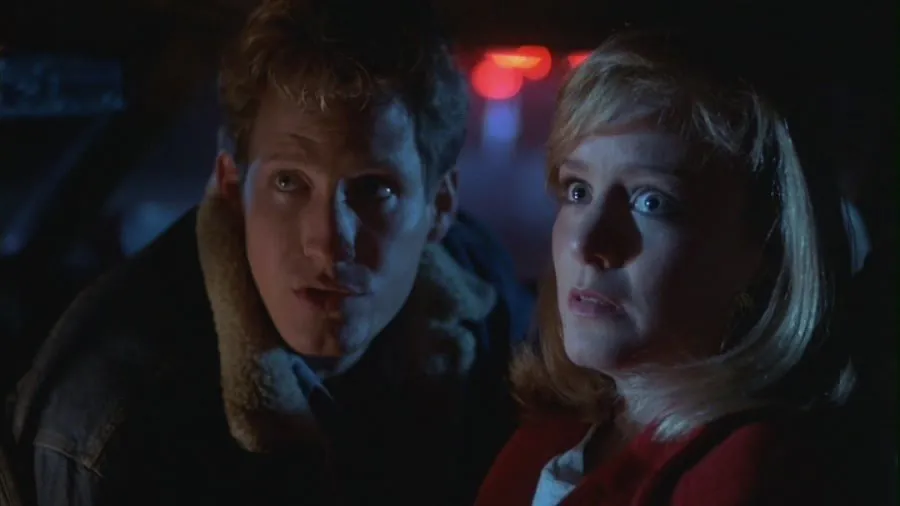
Thom Mathews brings urgency to nearly every interaction without making Tommy seem theatrically unhinged. He is desperate because every minute someone refuses to believe him gives Jason more time to reach the people Tommy is trying to protect. The cruelest irony is that Tommy’s attempt to find peace is what brings Jason back. He exhumes the body because he wants proof that Jason is truly gone. His decision is reckless, but it comes from years of unresolved trauma. If he can destroy Jason completely, perhaps he can finally move on. Long before Laurie Strode barricaded herself against Michael Myers or Sidney Prescott carried decades of scars, Tommy Jarvis showed what survival can cost.
The intelligence of Jason Lives is easy to overlook. Its self-awareness does not become cynicism, and it never substitutes cleverness for substance. McLoughlin tells a hugely entertaining horror story with craftsmanship that becomes more visible each time I revisit it. I doubt he set out to create a blueprint for legacy sequels or reinvent the slasher. He simply understood the assignment better than almost anyone who had come before him.
Jason was already bigger than the franchise, and McLoughlin embraced that reality instead of resisting it. In doing so, he gave us the version of Jason that has lived in our collective imagination ever since. Whenever Jason Lives is discussed, the conversation inevitably turns to its humor. For some fans, those moments make the film unique; for others, they mark the point where the franchise became too playful. I think both reactions miss part of what McLoughlin was doing.
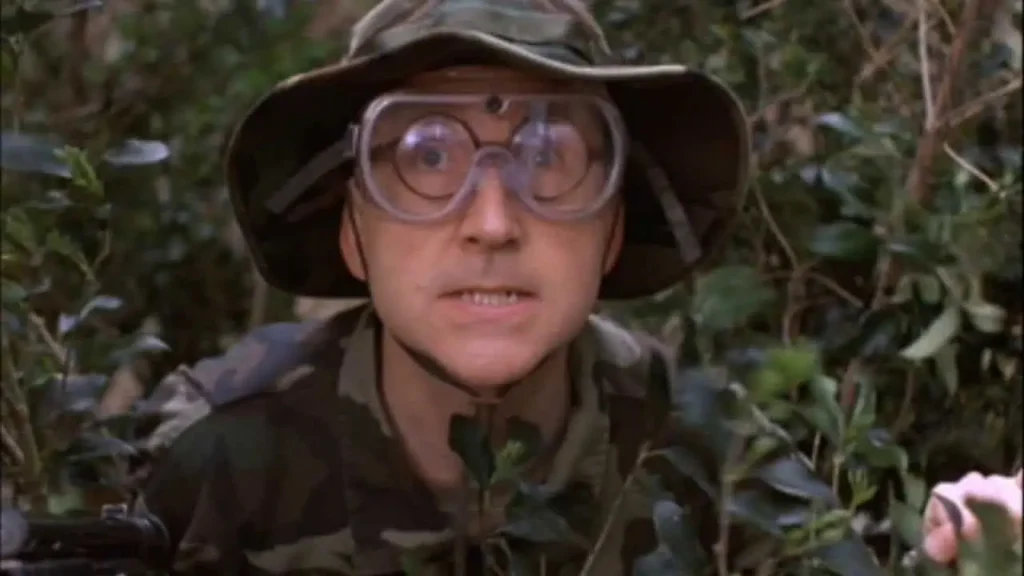
A film that stays at maximum intensity for ninety minutes can numb its audience, because fear loses impact without contrast. McLoughlin lets the movie breathe. The paintball sequence is sometimes dismissed as comic relief. The executives are cartoonish, and their fake military bravado borders on parody. Their greatest concern is winning a weekend game, until that simulated combat meets real violence. For a few minutes, it feels as though we are watching another movie. We settle into the absurdity of adults treating paintball like warfare. Once Jason enters the frame, the joke disappears, and the shift is abrupt enough to catch us off guard even after repeated viewings.
And for a series centered on Camp Crystal Lake, it is strange how rarely the franchise actually shows children attending camp. Jason Lives restores what the series had been missing. Their presence raises the stakes and changes how we see Jason. Until this point, his victims had mostly been adults and older teenagers who drank, had sex, broke rules, wandered off alone, and ignored obvious warning signs. Whether intentional or not, the movies developed a pattern in which reckless decisions preceded violent consequences. The children disrupt that pattern. Their innocence hangs over the second half of the movie, but McLoughlin never exploits it.
Even if we know Paramount was unlikely to release a Friday the 13th movie in which Jason massacres a cabin full of children, the film allows the possibility to linger long enough for our imaginations to do the work. The campers also remind us what Crystal Lake was meant to represent. Their laughter, curiosity, and excitement make the place feel alive again. This was supposed to be a place of carefree summers and childhood memories, which makes Jason’s return feel like the corruption of something innocent.
That is an unsettling irony. Jason died as a child, and his mythology began with stolen innocence. By Part VI, he has become what threatens innocence in others. He is no longer avenging his childhood. He is trapped within it, repeating the trauma that created him. Monsters survive through stories as much as they survive through violence. Each generation inherits them, reshapes them, and tells the stories again around campfires, at sleepovers, and in movie theaters.
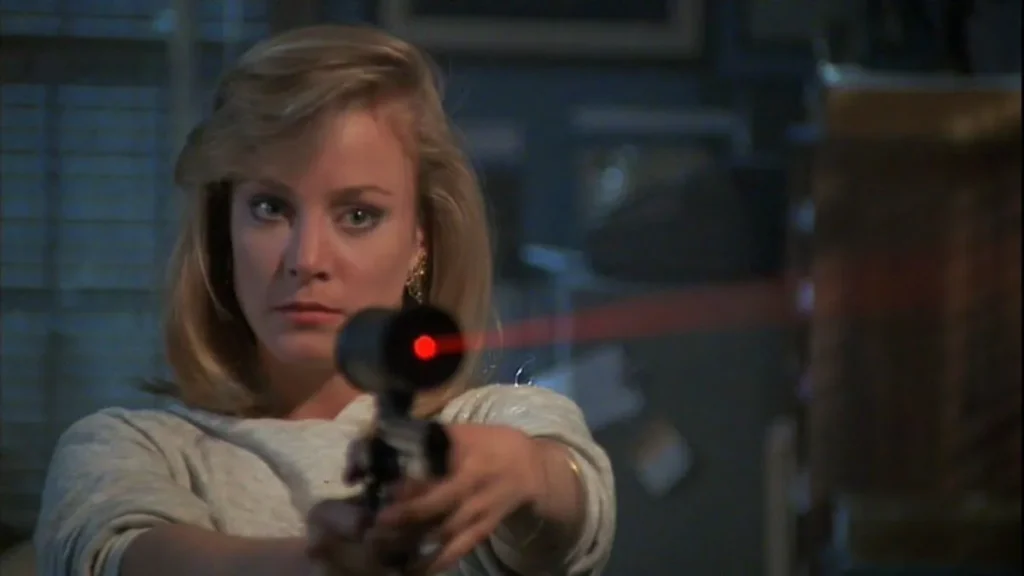
Jennifer Cooke’s Megan Garris deserves more recognition than she receives. She is often described as one of the franchise’s better final girls, but her role is more unusual than that description suggests because she actively chooses to enter Jason’s story. Megan repeatedly decides to help Tommy even when the evidence against him should tell her to walk away. Their relationship develops through shared purpose rather than obligatory romance. There is flirtation, but it never overtakes the story. Megan becomes Tommy’s first real ally in a world that has dismissed him as unstable.
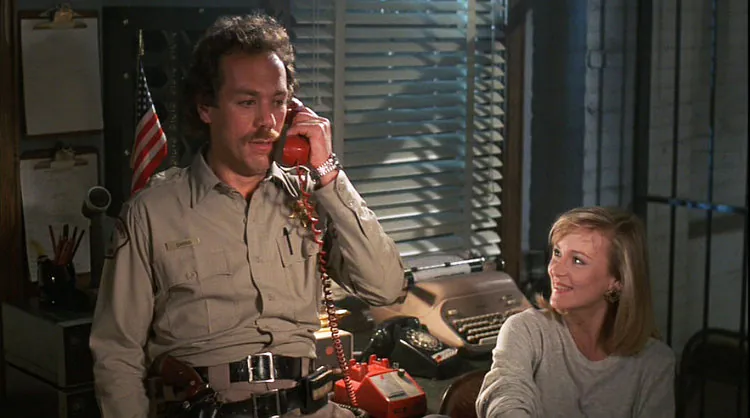
Cooke brings a charisma that matches the movie’s tone. Megan is funny without becoming comic relief, confident without seeming invincible, and compassionate without feeling naïve. She is one of the few characters in the franchise who would remain interesting even if Jason never appeared. Sheriff Garris could easily have become a one-note authority figure whose sole purpose was refusing to believe Tommy, but David Kagen gives him more complexity. He is a father responsible for protecting people from what he honestly believes is the paranoid delusion of a traumatized young man. Every decision he makes is supported by the evidence available to him. If someone walked into a police station claiming they had accidentally resurrected a serial killer with lightning, most people would probably react the same way. That realism grounds the story and makes Jason’s supernatural presence feel even more disruptive.
Deputy Rick could have disappeared into the background as another supporting character, but Vincent Guastaferro gives him an earnest quality that makes him unexpectedly endearing. Unlike many horror-movie deputies, he isn't presented as incompetent; he's simply operating in a world where monsters aren't supposed to exist. A great monster is measured not only by how memorable the killer is, but also by how much we care about the world being threatened.
Jason Lives is where Jason crosses that line between monsters and mythos. Once McLoughlin resurrects Jason with lightning and abandons any pretense that he belongs to the natural world, he is freed from the limitations of continuity. Questions about whether he drowned, survived, or spent decades hiding in the woods no longer matter because myths do not require that kind of accounting. By embracing the supernatural without apology, Jason Lives allows Jason to occupy the same imaginative territory as the classic monsters.
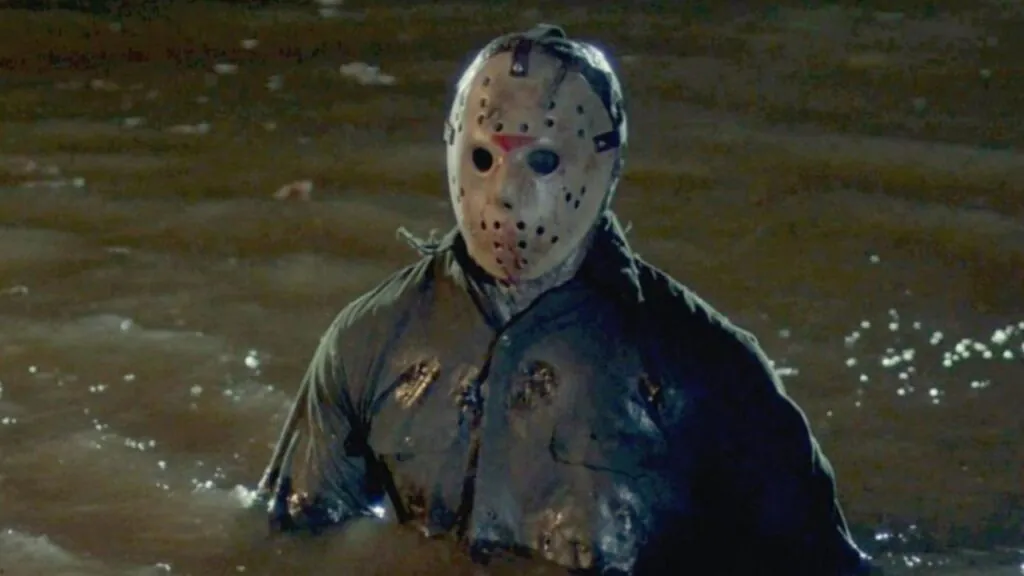
That is probably why Jason’s appearance in Jason Lives became the definitive image of the character. When people picture Jason Voorhees, they tend to see the towering figure standing motionless in the fog, wearing the weathered hockey mask, construction gloves, and rotting clothes. That image has endured because it feels timeless.
I have seen Jason Lives more times than I could count. Like most fans, I know every kill before it happens. I can quote entire scenes from memory and know exactly when Manfredini’s score will swell, when Jason will emerge from the darkness, and when the audience is expected to laugh. As a kid, I loved Jason Lives because it was cool. Jason looked incredible, the kills were inventive, and the movie moved at a relentless pace. It made horror feel fun in a way few films ever had. As an adult, I notice how McLoughlin establishes Forest Green before Jason arrives, the warmth between the characters, the purpose behind Graham’s movements, and the urgency Mathews brings to Tommy. The filmmaking is far more layered than I understood as a child.
Most movies reveal more flaws with repeated viewing. Jason Lives reveals more craftsmanship. That helps explain why the film has found new audiences for four decades. You do not simply outgrow it. You grow into it. Jason Lives seems to change because we do. I still return to Crystal Lake because each visit reminds me why I fell in love with horror in the first place.
That is why Jason Lives has never lost its magic for me. Horror is not sustained by body counts or elaborate effects alone. The films that endure understand their monsters more deeply and recognize when an icon no longer belongs to a single movie. Dracula achieved that. Frankenstein’s Monster achieved it, and so did the Wolf Man. In 1986, Jason Lives made sure Jason Voorhees joined them.
FANGORIA Staff Picks brings Friday the 13th Part VI: Jason Lives back to theaters at Regal. Grab your popcorn, say your prayers, and prepare for a little Camp Crystal Lake carnage. Don't miss your chance to see Jason on the big screen in 2026. Tickets are available by clicking here.
