
“That wasn’t even scary!”
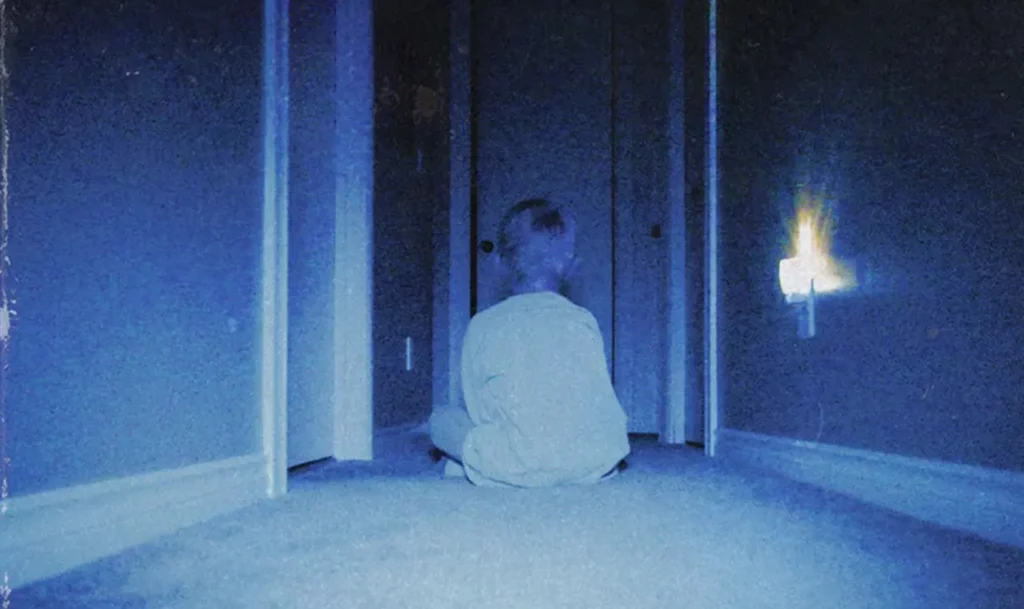
It’s a sentence that any horror fan has heard after recommending a movie to a friend at least once, and one of the most frustrating ways to dismiss the value of a horror movie. Fear is a universal emotion, but what actually frightens us varies widely from person to person. This diversity is crucial in the lasting appeal of horror as a genre because it offers something for everyone. Some viewers prefer the creeping dread of a slow burn, while others react strongly to sudden jump scares or grotesque imagery. Sound design (like in films like Undertone), intentional editing (as shown in films like Jacob’s Ladder), and strategic cinematography (like in Skinamarink) are all filmmaking tools designed to generate fear by manipulating our imaginations, but no two people will have identical fear responses in every situation.
When we encounter something our brain perceives as a threat, the amygdala (the part of the brain that governs emotional processing and fear responses) sparks a cascade of physiological changes. Stress hormones like adrenaline and cortisol flood the body, preparing us to react instantly. Our heart rate increases, breathing quickens, senses sharpen, and the body even prepares for potential injury by thickening the blood. These trauma responses are involuntary and are typically categorized under “fight, flight, freeze, fawn, and flop.” They’re all survival mechanisms evolved from early humans who faced constant physical danger.
![The EVENT HORIZON Sequel Is ALIENS In Hell [Exclusive]](https://www.fangoria.com/wp-content/webp-express/webp-images/doc-root/wp-content/uploads/2026/03/EventHorizon-Inferno-CoverRBG-Cropped-2-300x169.jpg.webp)
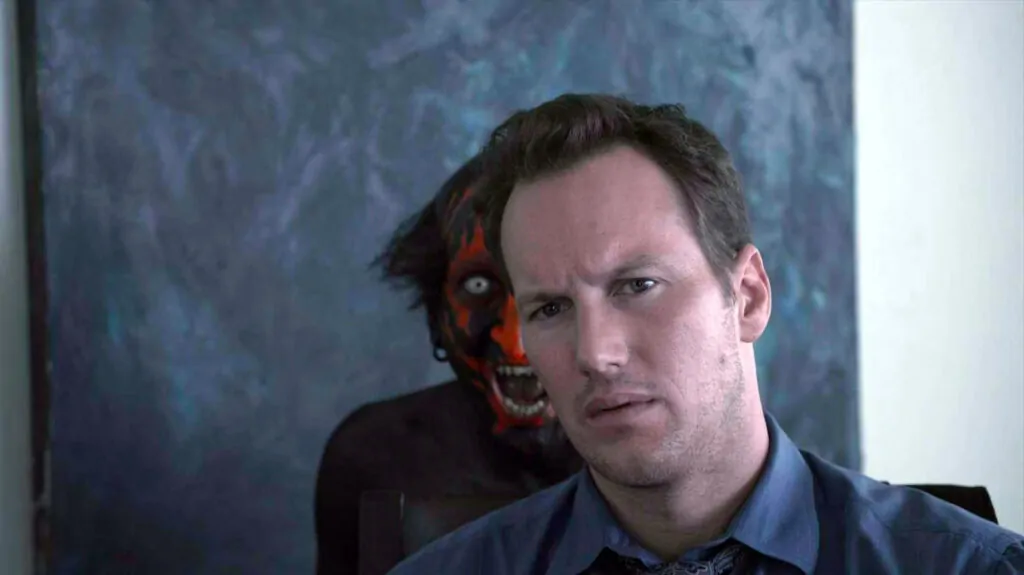
Jump scares, while a staple of horror, are technically more about surprise than sustained fear. They trigger a sudden startle response — a quick spike in the body’s alert system — rather than a prolonged emotional reaction. Anticipation of a jump scare can even intensify its impact. Knowing a scare is coming often heightens anxiety, putting the body on high alert and making the eventual release more intense. Think of the way you feel watching someone open and close a mirrored medicine cabinet door, knowing damn well someone is going to pop up in the background.
Past trauma can also shape how people respond to fear. For some, it heightens sensitivity, making even minor stimuli feel threatening. For others, it can have the opposite effect, dulling reactions because nothing compares to what they’ve already experienced. Repeated exposure to horror can also desensitize individuals over time, reducing the intensity of their responses and strengthening their emotional regulation skills. And again, we don’t really have a say in how our bodies and minds choose to respond. But hey, therapy helps!
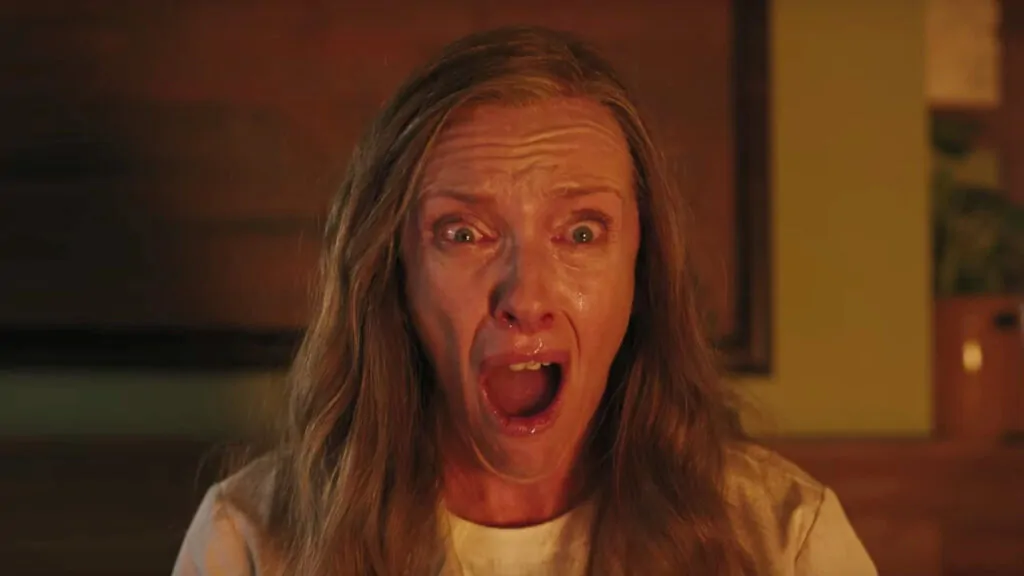
Given the involuntary variety of fear responses, it’s all the more impressive when a horror film manages to transcend the differences and scare the hell out of a wide range of people. The Exorcist sparked a moral panic with reports of audiences fainting and vomiting, along with religious protests calling the film “satanic.” This hysteria, fueled by both genuine reactions and studio-hyped publicity, elevated the film to iconic status. People were so scared by Jaws that it had a documented negative impact on shark conservation, prompting director Steven Spielberg to apologize for contributing to their population decline. The Blair Witch Project was so effective at convincing a generation of movie lovers that the found-footage film was real that it completely revitalized the subgenre of horror. And in recent years, a film like Hereditary has given a generation a wicked case of gymnophobia.

Outward reactions to fear are influenced not only by biology but also by social expectations. Screaming is a natural, involuntary response that signals “ALERT! DANGER!” to others. Yet social norms often discourage such displays, even in appropriate settings like catching a horror movie in the theater. As a result, people develop alternative responses, such as laughter, to mask vulnerability, deny fear, and relieve the physical tension fear creates.
But horror fans love to be scared. That jolt of fear sets off a rush of adrenaline, endorphins, and dopamine, creating a kind of exhilarating high, all without any real danger. It’s what you might call “safe fear,” and it gives us a break from everyday stress while letting us feel something intense and exciting. At the same time, it draws people together — whether it’s grabbing someone’s arm during a jump scare or laughing it off right after. There’s even a small sense of pride that comes from making it through. Fear becomes a chance to let emotions run wild for a moment in a society consistently trying to numb us to it all.
What frightens each of us might be different, but the feeling itself is universal. And sharing that experience is often what makes it so fun. We've partnered with Regal to bring Sinister back to the big screen for our first installment of FANGORIA Staff picks. Happening the 13th of every month at Regal locations nationwide. Check your local Regal here.