Last week my friend Matt Gourley published a short story online called “Normal Like Me.” If you know Matt’s work, you know he’s a very funny comedian and podcaster (and a gifted actor and musician as well). I know he’s a huge horror fan, but I had never read any fiction at all from him before, so this story came as quite a surprise. It put me in the mind of the absurd, grotesque monologues found in much of William S. Burroughs’ writing, which is to say it was equal parts disgusting and hilarious. It’s a quick read that’s well worth your time.
The platform on which Matt published his story, Deathbed, has such a specific mission statement: “Horror Stories by Comedy Writers.” That’s certainly a thing right now, isn't it? Jordan Peele. Zach Cregger. Drew Hancock. We’re in this weird golden age of comedians pivoting to horror, and the yield of that movement is some of the most original, innovative and exciting stuff the genre has seen in decades. The relationship between horror and comedy is one that’s ebbed, flowed and evolved, but horror and comedy have been feeding off each other since the beginning of film history. Why, though?
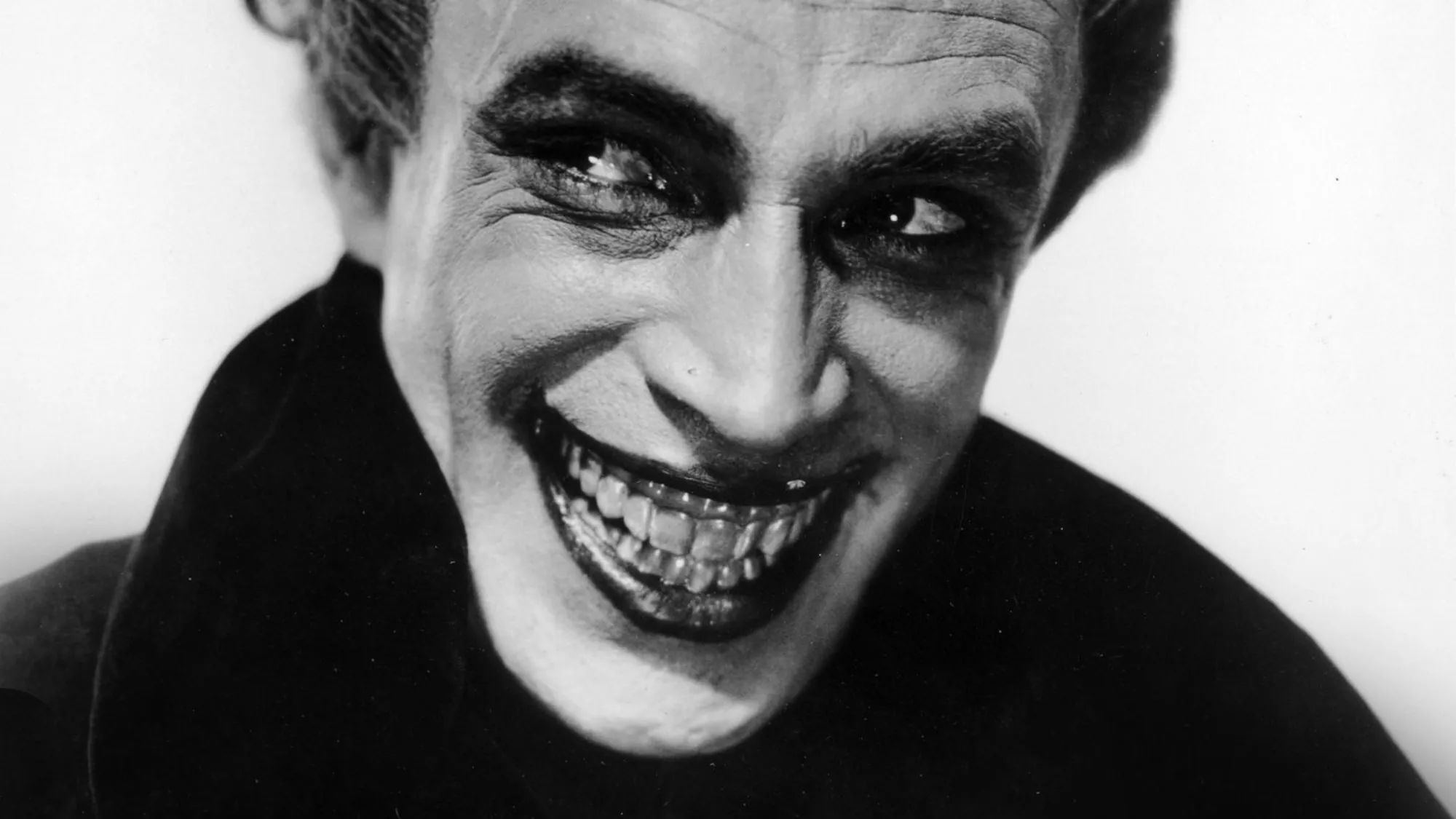
There are the obvious examples of spoofing, lampooning and parodying horror films; back in the ’40s it was a way to wring a few more dollars out of properties that had run their course. There’s a straight line from Abbott & Costello Meet Frankenstein to the Scary Movie franchise. But laughs have graced horror for much longer than that, and in less obvious ways: the two old women stealing booze from each other in 1933’s Werewolf of London, the campy Una O’Connor in Bride of Frankenstein, the incredulous asylum staff in 1931’s Dracula. Comic relief (itself descended from a tradition in theater) has always been a constant in horror, and to do it well the filmmakers had to understand what made people laugh as equally as what made them scream.
But the way those laughs and screams were synergized over the years evolved in weird ways. Roger Corman sometimes played Poe for laughs in the ’60s, but the arch humor of The Abominable Dr. Phibes was something else entirely. Suddenly the horror and the comedy were more organically intertwined, the same subject matter somehow eliciting both reactions from viewers. John Landis played in this space to great effect in An American Werewolf in London, and Joe Dante’s comedy chops were at least as present as his scare tactics in all his horror films. The ’80s also gave rise to the teen-friendly “horror comedy,” as films like Fright Night and Vamp and Teen Wolf played to the John Hughes crowd, while elsewhere in the multiplex Stuart Gordon was asking if we could all finally admit that a body without a head is just innately goddamn hilarious. And after five increasingly bleak entries, in 1986 the Friday the 13th film series had a gravedigger look directly into the camera and crack a joke, like he was on an episode of Hee Haw.
Young folks today might not realize that a big part of Scream’s success 30 years ago was in how the movie invited us to laugh at the cliches it was subverting. Those laughs, and the frisson that came from their proximity to disemboweled, shot, stabbed and squished teens, reignited an entire subgenre. And even the “totally sick, bro” millennial horror/torture porn era that followed was rife with random bits of comedy (if I yell “Pancakes!”, where does your mind go?).
When we see the contemporary comedy-to-horror pipeline, after one look at the films these guys grew up on, the mystery of why they’re in the horror sandbox evaporates. Comedic sensibilities have always paired well with horror, but if anything it was probably a historical lack of respect toward the genre that kept more comedy-minded creators out of the horror space. Ironically, it’s this current crop of comedy/horror storytellers that are dragging the genre further into that space of respectability, and as a result waving in folks who previously would not have attempted entry. Who’s laughing now?