
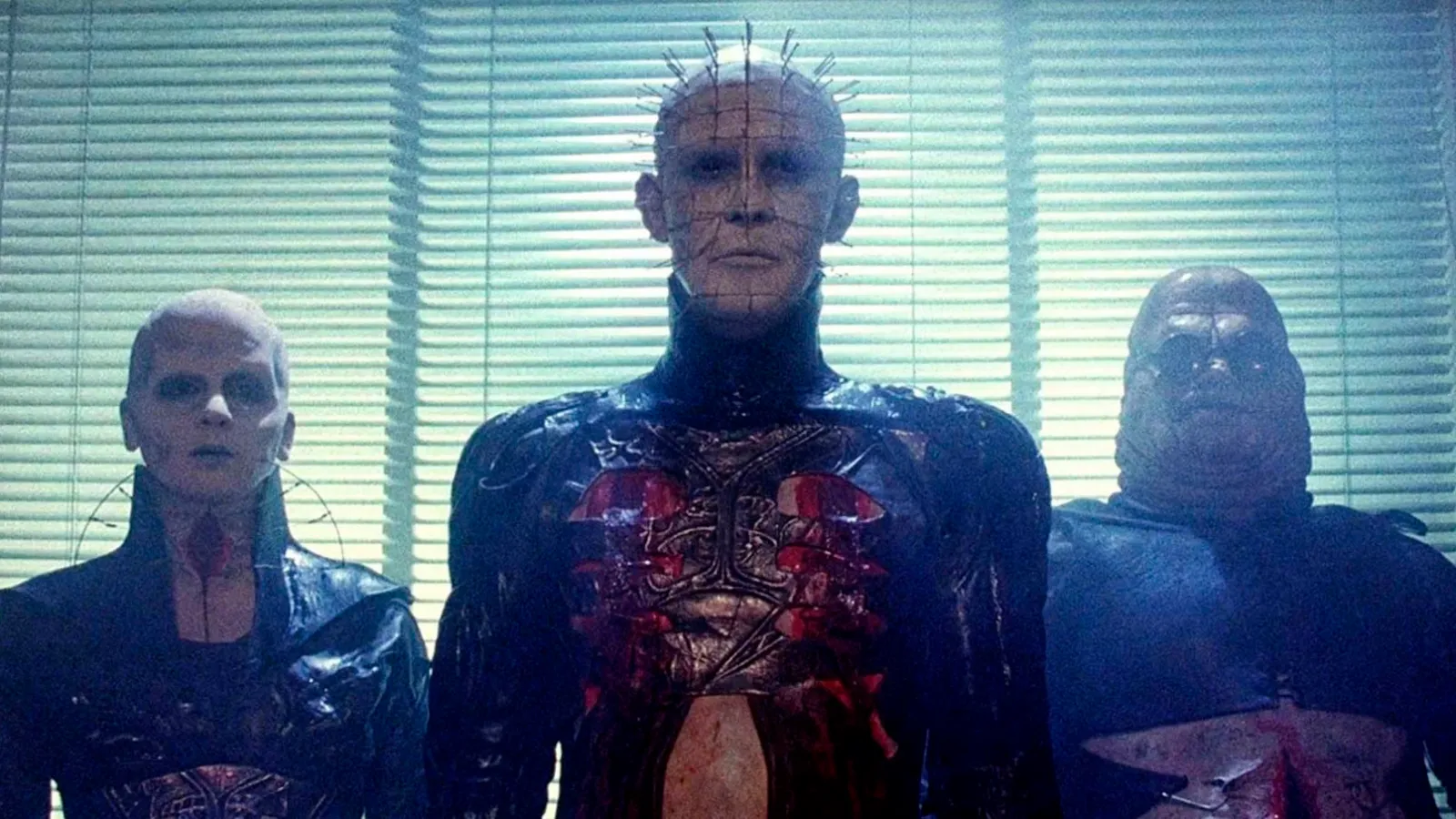
Horror fans love a good icon. From Jason Voorhees to Michael Myers, horror villains have no shortage of icons from long-running franchises. One of the best examples of this is The Hell Priest from the Hellraiser franchise, better known as Pinhead. To celebrate Clive Barker’s Hellraiser: Revival coming to the Nintendo Switch 2, I revisited the entire Hellraiser franchise to reacquaint myself with this icon, only to find myself on a journey that blurred the lines between pleasure and pain.
The original 1987 Hellraiser film depicts Pinhead and his fellow Cenobites not as judges of the film’s characters, but as omnipresent beings with little interest in human affairs. The only thing they care about is claiming the soul of the Lament Configuration and damning it to eternal pleasure (what normies often see as pain). They only get involved when the main character, Kirsty Cotton, reveals that her skinless uncle has escaped their grasp. In fact, the cenobites aren’t even really in this film, which makes the impact of their appearance even stronger. Sure, skinless Frank Cotton is pure nightmare fuel, but he’s nothing compared to leather-bound hell demons (angels to some) that have an affinity for tearing people apart with hooks.
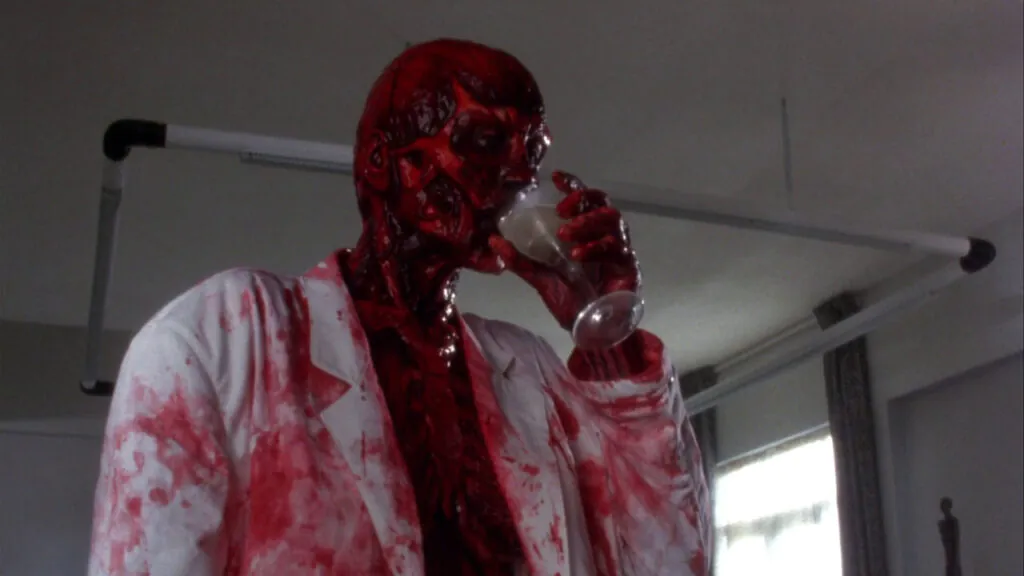
So it’s interesting to see the 1988 sequel Hellbound: Hellraiser II double down on the Cenobites. Instead of using them sparingly, this sequel takes the story into their dimension: a huge hell labyrinth overseen by Leviathan, an omnipresent pyramid with fleshy insides. It’s a version of hell far from the standard depiction of tiny Red Devils and pitchforks. It’s a depiction that almost enters the realm of high fantasy, and the story reflects that with dead characters returning to life and feasting on flesh, while the Cenobites mostly stand by and let humans create their own chaos. That’s the core of Hellraiser in these early entries: the suffering is brought on by the humans themselves, and the Cenobites are never the agitators.

Which in turn makes Hellraiser III: Hell on Earth such a strange beast of a movie. By this time, Dimension Films had its claws in the franchise and tried to turn Pinhead into a competitor to Freddy Krueger. This entry is where the core concept of the Cenobites begins to deviate sharply, with scenes of Pinhead hamming it up with one-liners and innocent people who didn’t open the configuration falling victim to it. Doug Bradly is a lot of fun in his iconic role, but it all feels strangely amiss. Still, the blasphemous communion scene and the pillar of souls keep the trend of badass imagery going.
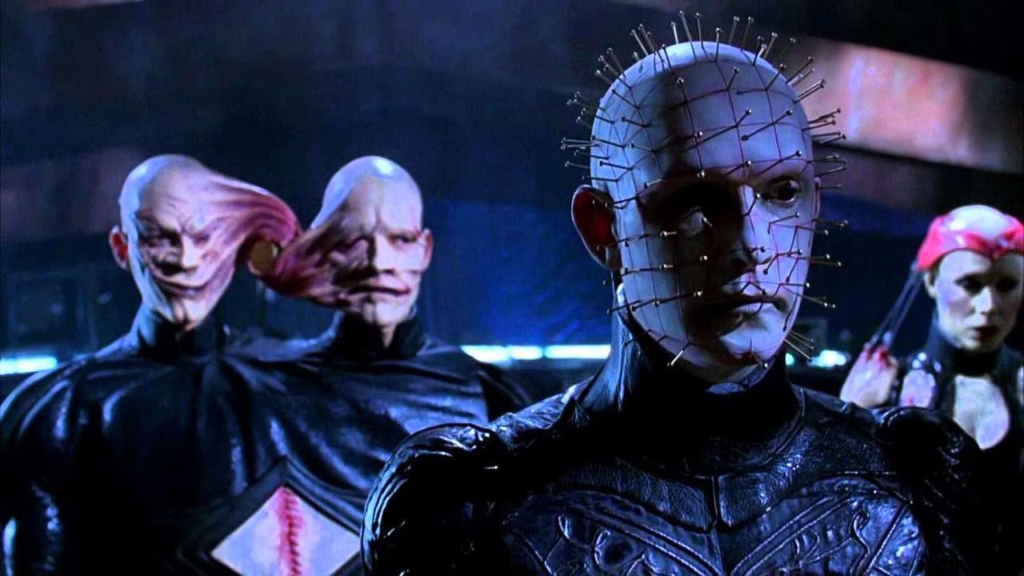
Hellraiser IV: Bloodline is probably where I have my most controversial take: this movie is good. Is it an overly ambitious film that attempts to tell the origins of the Cenobites and the Lament Configuration? Yes. Is it a messy film set in three different time periods despite being only around 90 minutes long? Yes. Is it a corny space set slasher film with questionable visual effects? Also yes. But Bloodline has what Hell on Earth lacked: ideas. Sure, the execution isn’t great, but it’s a wild swing I will always appreciate more than a movie that plays it entirely safe.
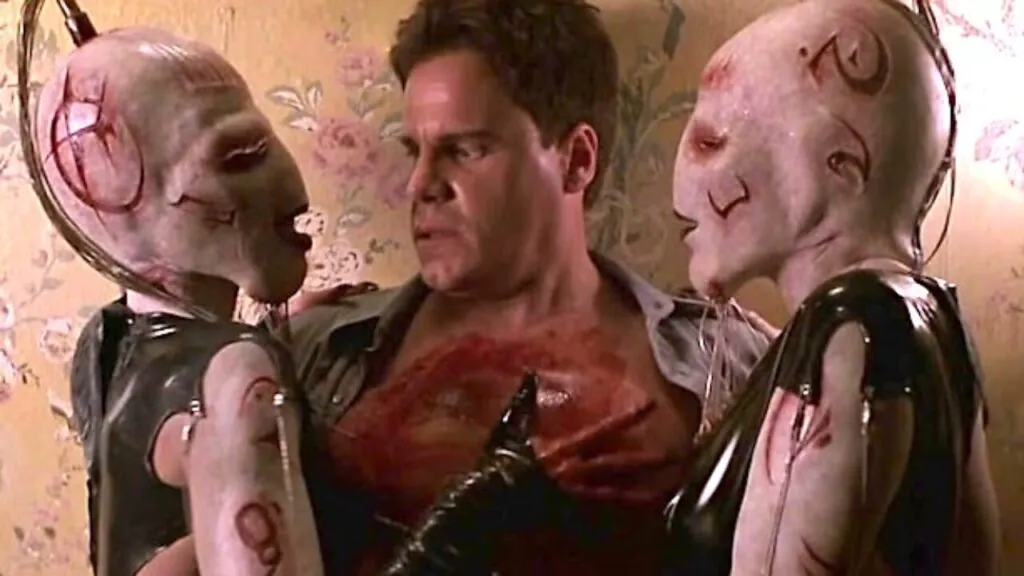
But I had no idea the suffering that was to come. I gave Dimension Films the benefit of the doubt with III and IV, but I had no idea how low these movies would sink. The next few sequels were released in what is known as the “video store” era, when studios bypassed theatrical release and pumped out countless cheap sequels directly to the rental market. These films range wildly in quality, from bad to worse, and they’re fascinating to watch unfold; sometimes they even have interesting ideas.

Dimension Films)
Hellraiser: Inferno feels like a Law & Order episode, but it has a thick layer of atmosphere because Scott Derrickson, director of Sinister and The Black Phone, helmed it. Though it’s ultimately a forgettable Hellraiser film, it still adds a certain level of craft to the experience. Hellraiser: Hellseeker interestingly tries to be a legacy sequel before those were really a thing by bringing back Ashley Laurence as Kirsty Cotton, but fumbles it hard by having her ultimately be a slasher villain that is collecting souls for Pinhead. I can’t imagine who signed off on this idea, since it goes against the entire archetype of her character in the first two films.
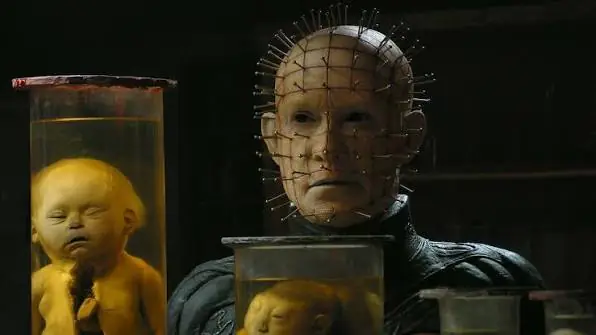
The next entry, Hellraiser: Deader, features a reporter investigating a cult, and I'm honestly surprised that idea hasn’t been revisited until now in Clive Barker’s Hellraiser: Revival. While the film isn't exactly good, it's interesting to see human conflict involving the Cenobites, even if they're not directly involved. I long for the days when they were judges and executioners for those seeking ultimate pleasure, not scary slashers.
Dimension Films)
The Y2K time capsule Hellraiser: Hellworld is where I reached my breaking point. The film features a group of gamers throwing an Eyes Wide Shut-style party that inadvertently summons Pinhead and company. This entry is notable as one of the first roles for future DC Extended Universe Superman, Henry Cavill, but the film feels far removed from what Clive Barker crafted in the original two films.
Hellraiser would stay in the direct-to-video market after this but would venture into Roger Corman-level filmmaking. Dimension used the next few entries as placeholders (Hellraiser: Revelations and Hellraiser: Judgment) to hold onto the rights until the series rebooted in 2022 (probably the best entry since Hellbound: Hellraiser II). It was a new take that felt in line with Barker’s original vision.
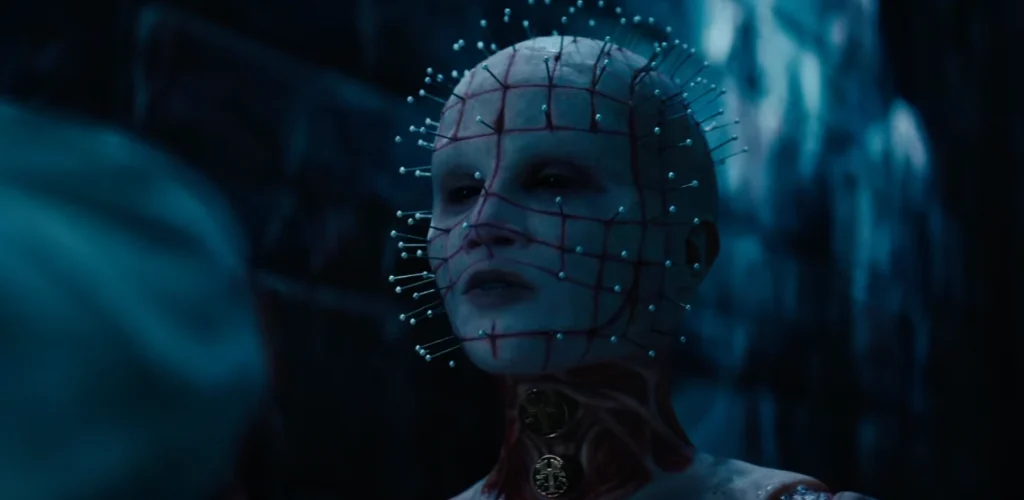
The plot not only highlighted the indulgence of sexual pleasure that the series was known for, but also depicted other appetites by having its lead character be a recovering drug addict. The Cenobites are depicted as watchful judges who seek out their prey in the form of the film’s secret villain, who turns his mansion into a bunker, preventing them from entering. Jamie Clayton plays the Hell Priest in this entry (and became a FANGORIA cover girl in the process), and her portrayal leans into the character's gender neutrality in Barker’s original novel, The Hellbound Heart. It would be one of horror’s biggest shames if we didn’t get a sequel to this reboot with her returning to the role.
But the true vision finally continues. Clive Barker is back in the franchise and has helped Boss Team Games and Saber Interactive with story and input on Clive Barker’s Hellraiser Revival (which also sees Doug Bradley return to the Pinhead role). The game feels like a natural progression from the vision found in the 1987 original film and its 1988 sequel. Don’t suffer the pain I felt revisiting the dark parts of this franchise; instead, enjoy a Nintendo Switch 2 game that feels like a proper Hellraiser III. In fact, you can read Amber T’s review here.
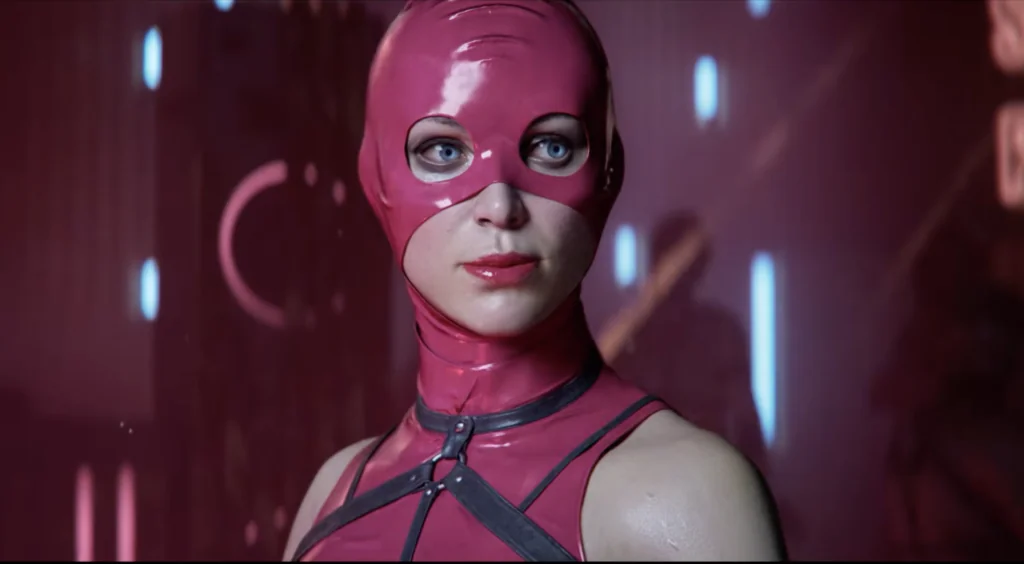
And we're just getting started; just days ago, they announced a Hellraiser board game was in the works. It's a good time to seek out the pleasure of pain, and the pain of pleasure. Jesus wept. But this time, tears of joy.
