
Jaws may have defined the modern creature feature, but tales of monsters from the depths of the sea go back to the very beginnings of human storytelling. Krakens, mermaids, and sirens have horrified sailors since we built our first boats, and defined our fears of the unknown for centuries. And now, even as the genre becomes more and more popular, showrunner Jesse McKeown is harkening back to those ancient tales with his new series, Below.
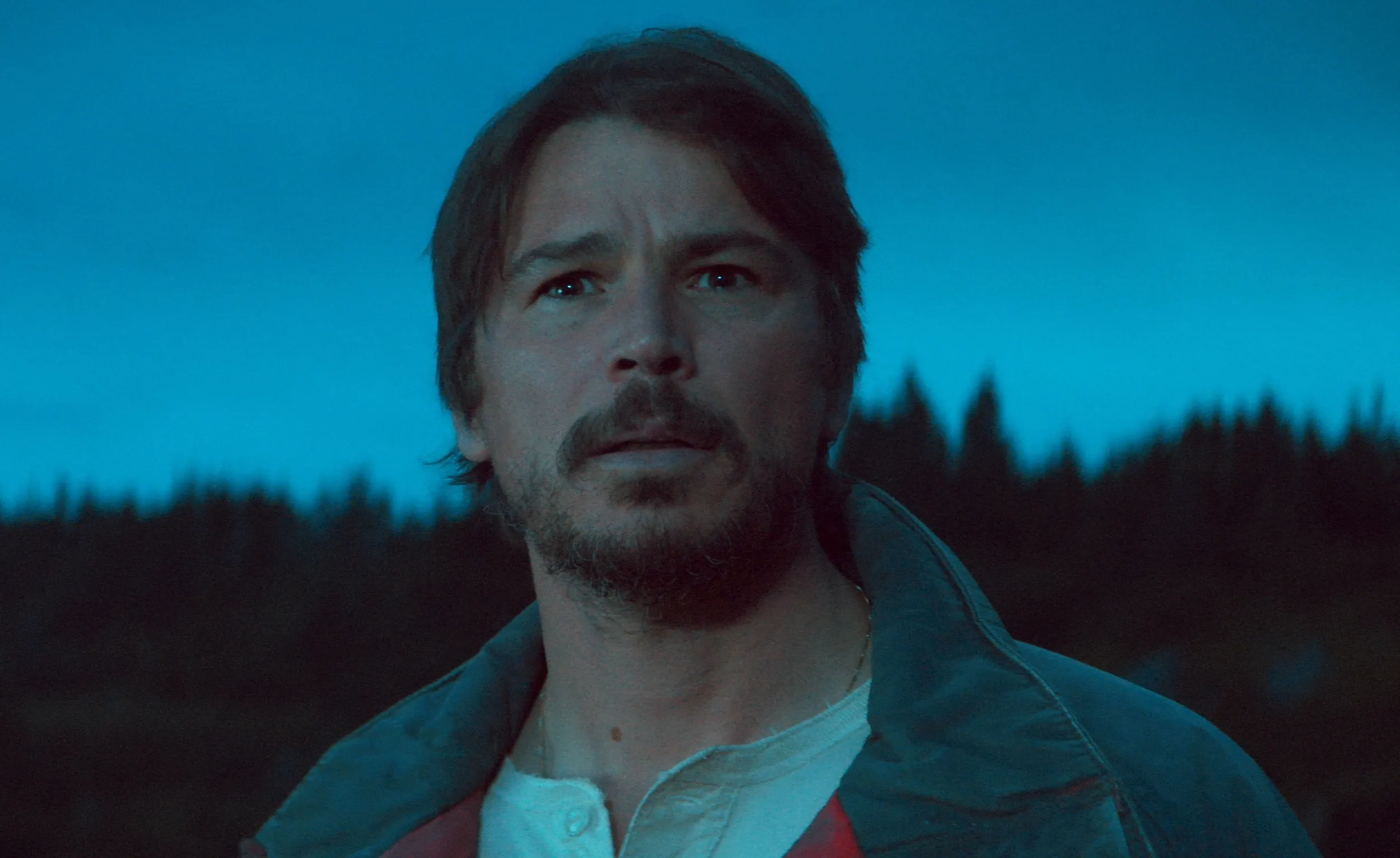
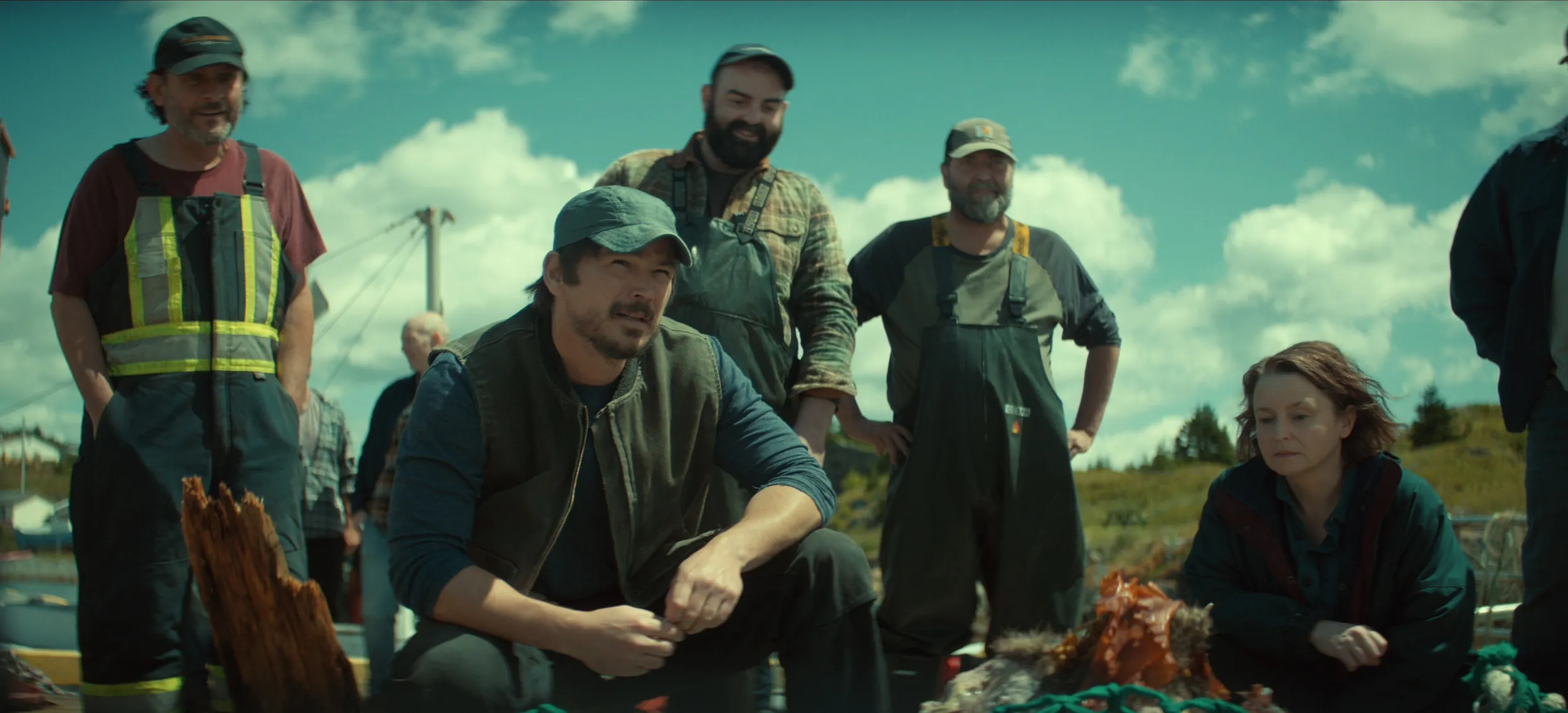
The series follows Josh Hartnett as Calvin Penney, an ice fisherman in the remote Newfoundland village of Snook’s Arm, isolated from the rest of the world and slowly disintegrating, for one reason or another. As his children return home to visit, something stirs in the bay outside the town, and life in the quaint town descends into chaos as an unseen, unstoppable monster arrives on their shores.
Below is McKeown’s first showrunning gig, landed on the back of an original pitch he made to Netflix, a rarity in an era of remakes and neverending IP. It arrives at an ideal time for the former Umbrella Academy writer, when audiences are hungry for more aquatic horror in the wake of Widow’s Bay.
“Whatever gets them in the door, great,” he says when I ask whether he’s worried about comparison between the two. “Yes, this is a little seaside town where lots of strange things are happening, so come on in. The water is freezing cold, but I think you'll be satisfied, [and] I think you'll also be surprised.”

But while it may ring familiar to those who enjoyed Katie Dippold’s Emmy-winning show, Below got something a little different in store for anyone who checks it out. The initial pitch for the show was “what if Jaws was set in Newfoundland,” but it covers much more ground in terms of the influences it wears on its sleeve.
McKeown mentions old-school B movies — “unpretentious B movies but that were clearly made with a lot of love and care” — and cites the work of Larry Cohen, director of films like The Stuff and God Told Me To. “These were all movies that were genre movies and supposedly B movies,” he said, “but they were very well written and very well told, and they had such character to them.
On the other side of things, he tells me he also drew from “the “kitchen sink dramas [he] grew up watching on Canadian television,” things like Bill Forsyth’s Local Hero, which planted the seeds for the character-driven moments at the center of the show.
“It was pitched as a creature feature, but it's six episodes,” he says, “So there was more time and there was [a] bigger canvas. I really wanted to tell a great character story, and tell a story about a family.”
Every detail of the series is intentional, he says, built to create a world in which we empathize not only for the humans, but the creature who’s been brought to their shores by the ignorance of those pesky, climate-ruining bipeds. Real (or at least, semi-grounded) science backs up one of the oldest creature stories we have, and little details fill out the world of the Penneys and their enemies — including my favorite, a doomed ship named after Sir John Franklin, leader of the 1845 expedition to traverse the Northwest Passage. (If you know, you know.)

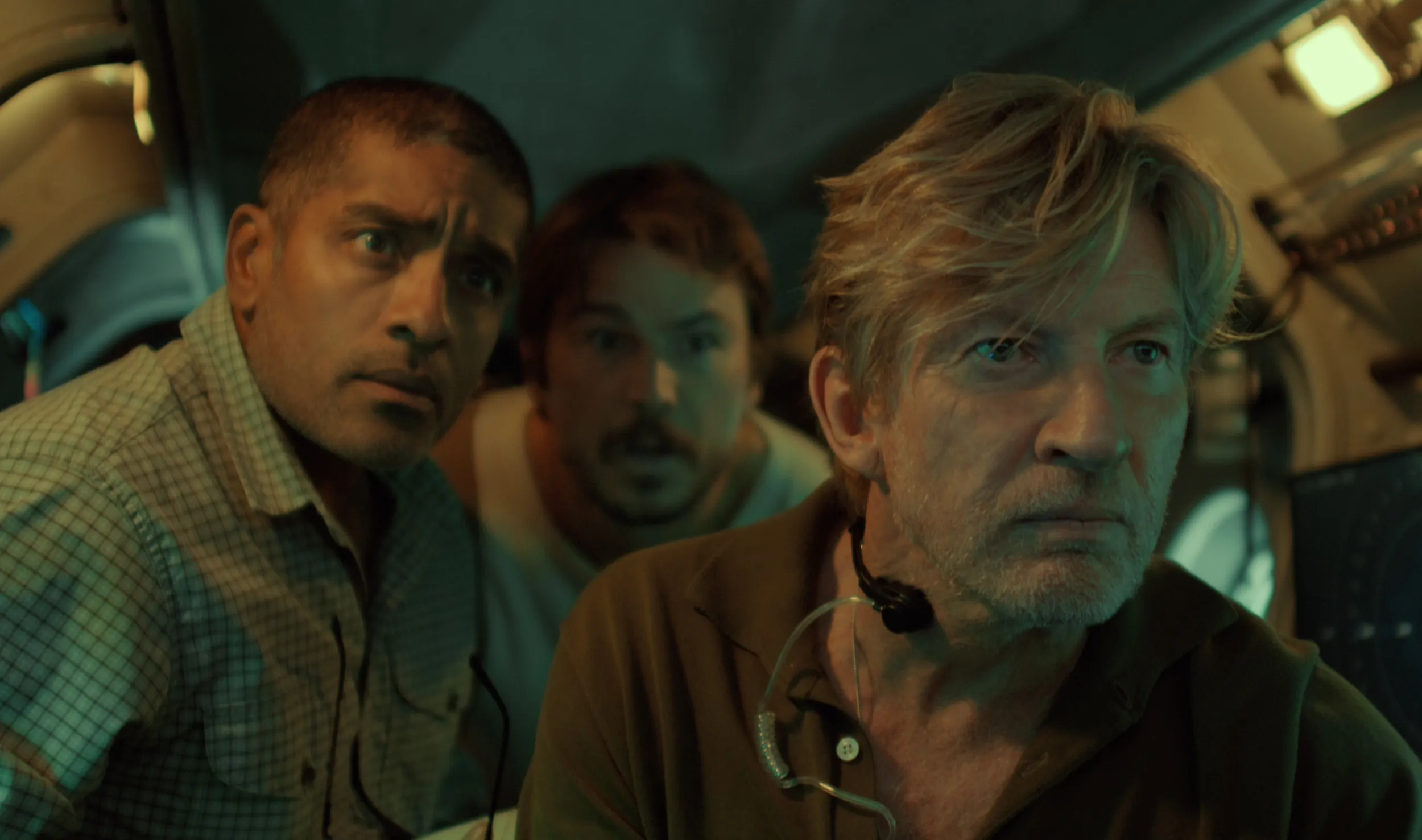
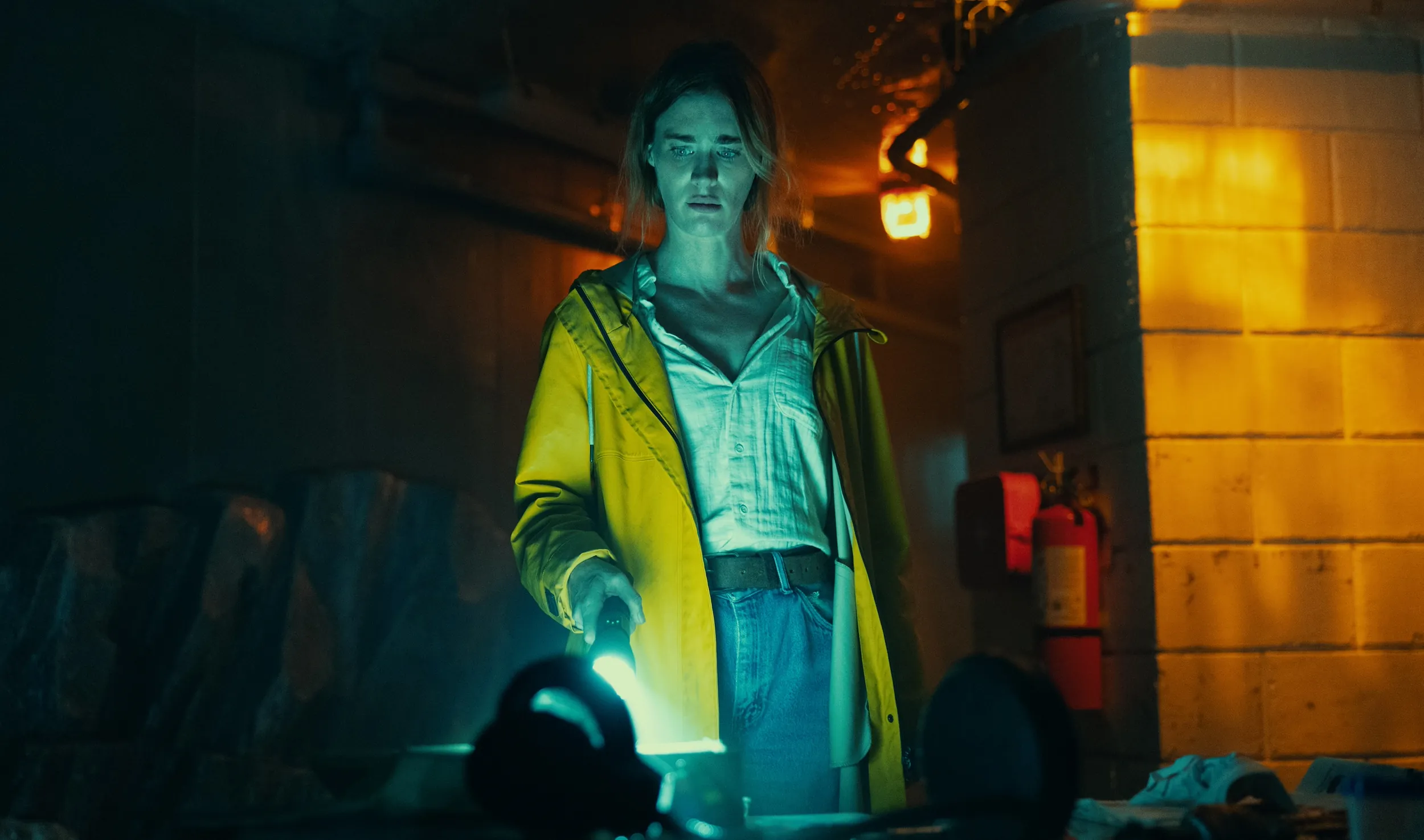
Those details are brought to life by an extensive and well-selected cast, including Hartnett, Mackenzie Davis, and Lord of the Rings’ David Wenham, as well as Charlie Heaton, fresh off of Stranger Things, and Halloween Ends’ Rohan Campbellt. McKeown is proud of his cast, who come together to create not only a believable family, but a community you want to be a part of, giant sea creature or not.
“The family is a mix of people from home in a way,” he says. “We have Josh from the States, we have Charlie [and Ruby Stokes] from the UK, and then we have Willow [Kean] and Rohan from here. There was something in the energy of having people who were from Newfoundland mixing with people who were from away and were learning about it for the first time. There's so many great actors that I'm so excited for the larger world to see, like Andy Jones and Sean Doyle and Mary Walsh, and people who are well-known in Canada… but maybe not around the world. So that was really the fun, creating that energy.”
As much as any of its human (or creature) leads, Newfoundland is a character in itself, a driving force that influences every bit of action there is. The province holds a special meaning for McKeown as much as it does for the leads of Below, lending a personal touch to the show that made it a dream project for him. “I married into Newfoundland,” he tells me, “so that’s sort of my second home. The dream for me is to find a personal project, but that also has broad universal appeal, and this felt like this could be that.”
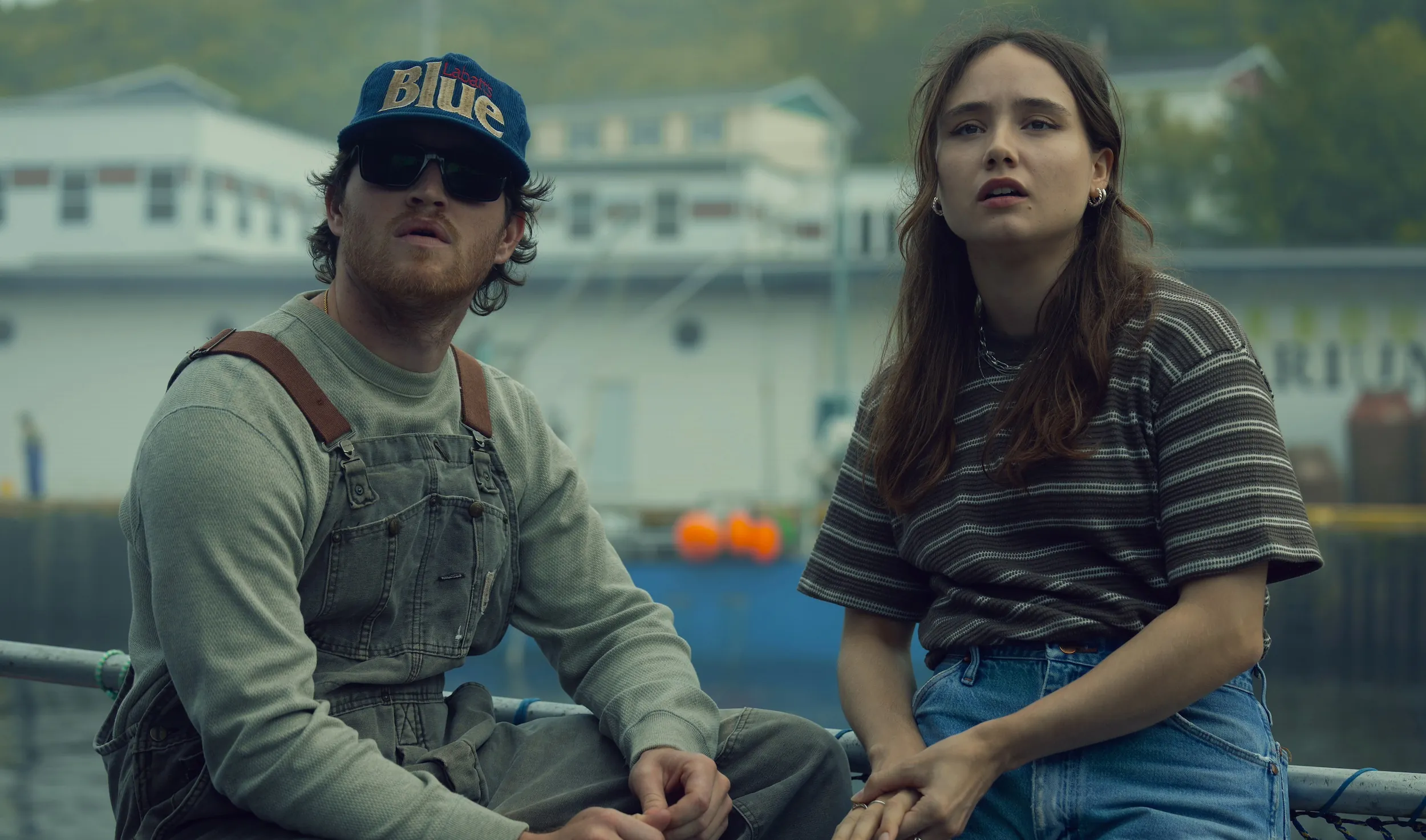
The series explores elements familiar to any real-life residents of Newfoundland, including the Come Home Year, an event that encourages those who’ve left their small coastal hometowns to return and celebrate the wonders of where they come from. For McKeown, it served as an opportunity to reflect the show’s central themes of change, and how some are more open to it than others:
I think once families get locked into a certain dynamic and one person goes and tries to switch up the program, it freaks everybody out, and so there's that feeling of when you go back to your hometown that you fall back into that old dynamic. That was something I really wanted to explore with the idea of the Come Home Year.
You’ve got two of these kids who have moved away and have really tried to start over and carve out a new path and a new identity for themselves, and then they come home and they inevitably revert back to an old dynamic, or they get very frustrated trying to change it and trying to bring with them what they brought back. And then you've got Wade, who's the eldest son, but the one who never left.
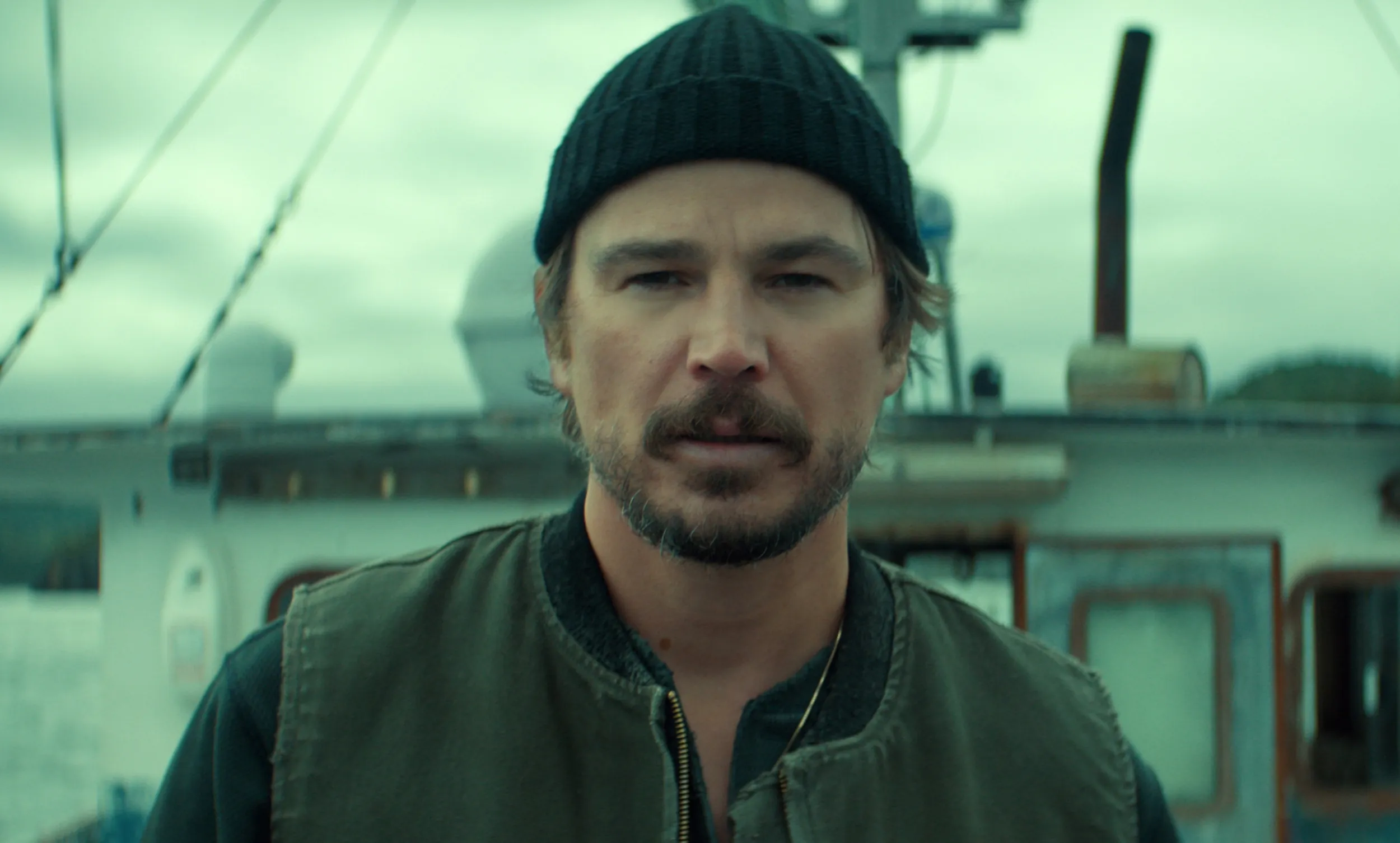
Below also tackles the reality of resettlement, a program that pays residents of small towns — including Below’s central setting of Snook’s Arm — to relocate to more populated areas, where they have better access to essential programs like healthcare and employment. Hartnett’s Cal strikes hard against the idea of leaving, even as tides warm and the even scarier reality of climate change comes around to bite him — quite literally, in the form of the show’s monster.
“There are still little towns like Snook's Arm that have been on the precipice of deciding to leave or deciding to stay, which is a huge deal for those people,” McKeown tells me. “Those little towns are their whole world, and so to pack up and leave, it might be a good decision or it might be disastrous.”
It seems like a tough match, telling a story about climate change in the middle of a creature feature, but McKeown manages it by tying every one of the show’s themes back to its monster: family, societal change, and the negative evolution of our planet’s climate, pushing every living thing to the brink because of entirely preventable mistakes.
“I think stories like this [are] already happening everywhere,” he muses, “and will become more and more resident as the most vulnerable amongst us, and all the forgotten people who still live in these rural places that are kind of forgotten, will be impacted by it first and foremost.”
Below is now available to stream on Netflix.
