
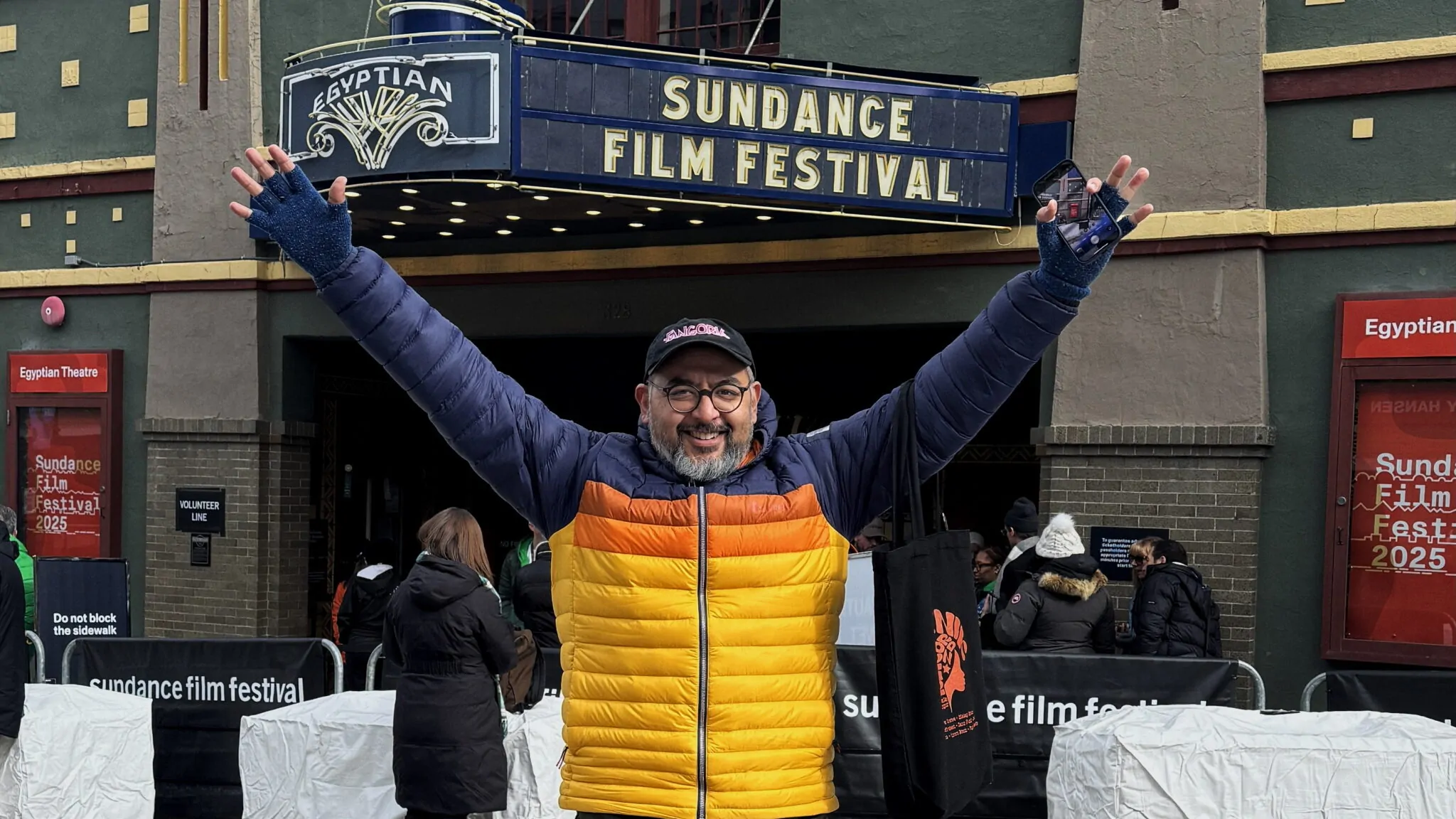
Last week, Diffan Sina Norman, the director of Fangoria Studios’ first feature film, Sitora, joined a small cohort of screenwriters in Utah for the 2025 Sundance Screenwriters Lab.
Sitora was one of ten projects—selected from over 3,380 submissions—invited to participate in the intensive, five-day workshop, and it was the only horror film to join the roster. The lab, led by Michelle Satter (Founding Senior Director, Sundance Institute's Artist Programs) and Ilyse McKimmie (Deputy Director, Feature Film Program), provides emerging artists a creative and nurturing space to develop their first or second features and connect with established writers.
Diffan, a Malaysian Iranian director currently living in East Texas, has premiered three chilling short films at Sundance. 2014’s Kekasih centered on a lovesick scientist trying to resurrect his dead wife, while Benevolent Ba (2020), plumbed the sinister depths of a family’s misguided ritual goat slaughter. Most recently, his crowd-funded fantasy-romance, Pasture Prime (2024), explored a widow’s unhealthy obsession with the Marlboro Man. It is now available as a Vimeo Staff Pick.
Sitora, Diffan’s first feature, is an inspired adaptation of a lost Malaysian horror film from 1964. It revolves around a young doctor who arrives in a Malay village with the mandate to establish a health clinic. But he’s soon challenged by an enterprising shaman who operates a protection racket for an elusive half-man, half-tiger.
We caught up with Diffan to learn more about his experience during the Sundance Screenwriters Lab. Read all about the experience, in Diffan’s own words, below.
The Journey to the Lab
I grew up watching P. Ramlee films with my late dad. The Malay auteur made 69 films between 1948 and 1972, and in 2011, the novelization of Sitora Harimau Jadian, Ramlee’s only lost horror, resurfaced in an antique bookstore—a few years before my first short [Kekasih] premiered at Sundance. (Shoutout to Sundance alum Amir Muhammad, whose Fixi Retro imprint republished the novel in 2012.)
When I read it, I was immediately taken by the idea of a young doctor determined to bring modern medicine to a rural village controlled by a weretiger—mostly because it offered a universe where the “good guy” doesn’t just attack his enemy. Instead, they have to negotiate and compromise. That’s something unique about Southeast Asian folklore—people talk to supernatural beings in this incredibly rational way—and I wanted to show that onscreen. So, with the permission of Ramlee’s estate, I started writing my script.
I applied to the Screenwriters Lab multiple times between 2016 and 2021 and was rejected every time. At some point, I pivoted to another project. And it may sound strange, but I feel like that freed me up to talk about Sitora in a fresh way. After Pasture Prime premiered at Sundance last year, I thought, “Let me try this one more time,” and something clicked.
Sitora is way more relevant now than it ever was. We’re all witnessing the ruthlessness of development, unbridled capitalism, environmental destruction, xenophobia—all this stuff that furnishes the backdrop for my story, and Sitora is a microcosm of those tensions. One character approaches the situation through religion, another approaches it through law; one approaches it through magic, and another through medicine. But at the end of the day, they’re all trying to figure out what’s best for the community. And there’s something really endearing about that.
The Lab Experience
All the fellows had a chance to meet on Zoom with several workshops prior to the actual lab, so we already had digital rapport when we came into the program. But when we arrived and sat in a circle with our advisors and the program facilitators, that was when it felt real.
We introduced ourselves, discussed our projects and intentions, and talked about what we wanted to achieve with our films. It felt super special because so many great films have come out of Sundance. And the advisors expressed it, too. I would say that all of us were just filled with this immense sense of gratitude, especially knowing that some advisors had lost their homes in the [recent LA] fires.
Every day, we were paired with different mentors, and they all brought different types of questions to our meetings. One thing Sundance stresses is that these are “conversations,” not prescriptive instructions or diagnoses. It’s really about getting to the heart of your story and characters in a way that feels true to you.
My first advisor, Nicole Perlman, co-wrote Guardians of the Galaxy, and she helped me zero in on my theme and tone. On the second day, I met with Linda Yvette Chávez, who wrote Gentefied and Flamin’ Hot, and we talked about distilling my characters. My third advisor, Tyger Williams, wrote Menace II Society, and he’s a FANGORIA fan. We sat down and jammed about the parameters of my fictional world—the rules of the lore—and how I could nourish the horror genre.
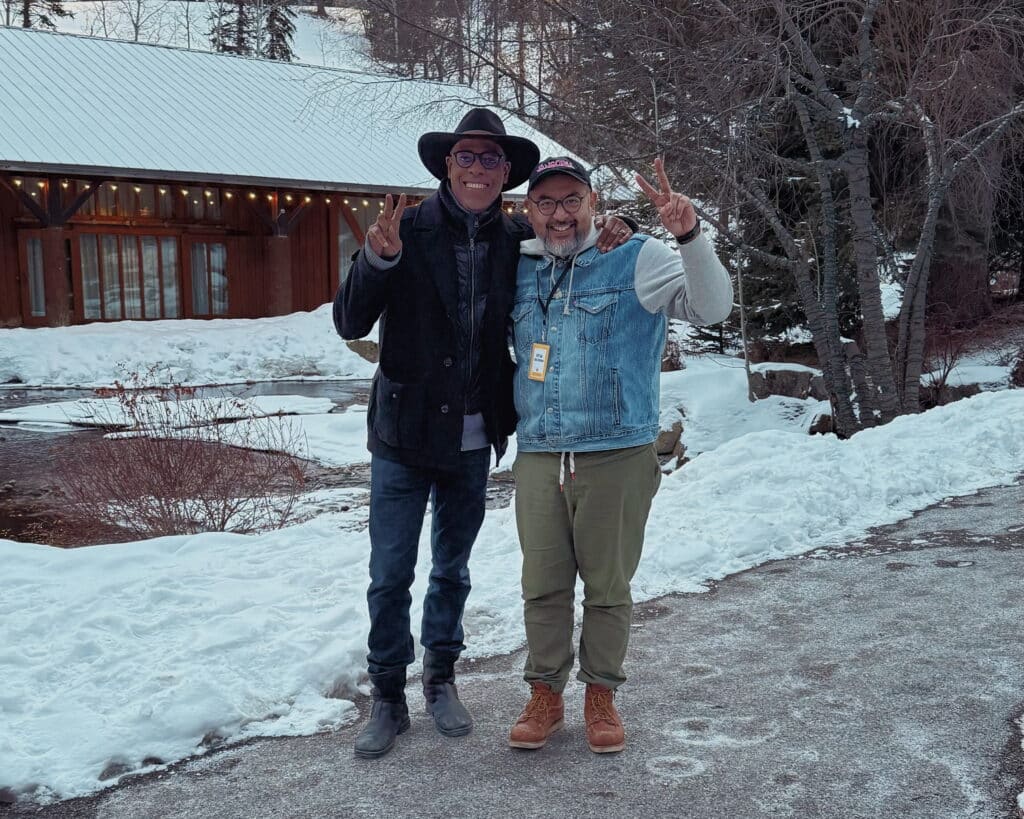
My fourth advisor, Scott Frank, who wrote Logan, focused on the prose of the script—how to capture terror on the page. And my fifth advisor, Ritesh Batra, who wrote The Lunchbox, took me back to basics, questioning the aims of the film and what I wanted to achieve with it.
The feedback on the script was great, but what I think was even more valuable was how much all those conversations functioned like therapy sessions. I think every filmmaker—at every level—has some self-doubt, and I came away from this experience feeling more confident. To paraphrase Scott [Frank], “When you hit a roadblock, that’s just the universe’s way of confirming that what you’re doing is hard.”
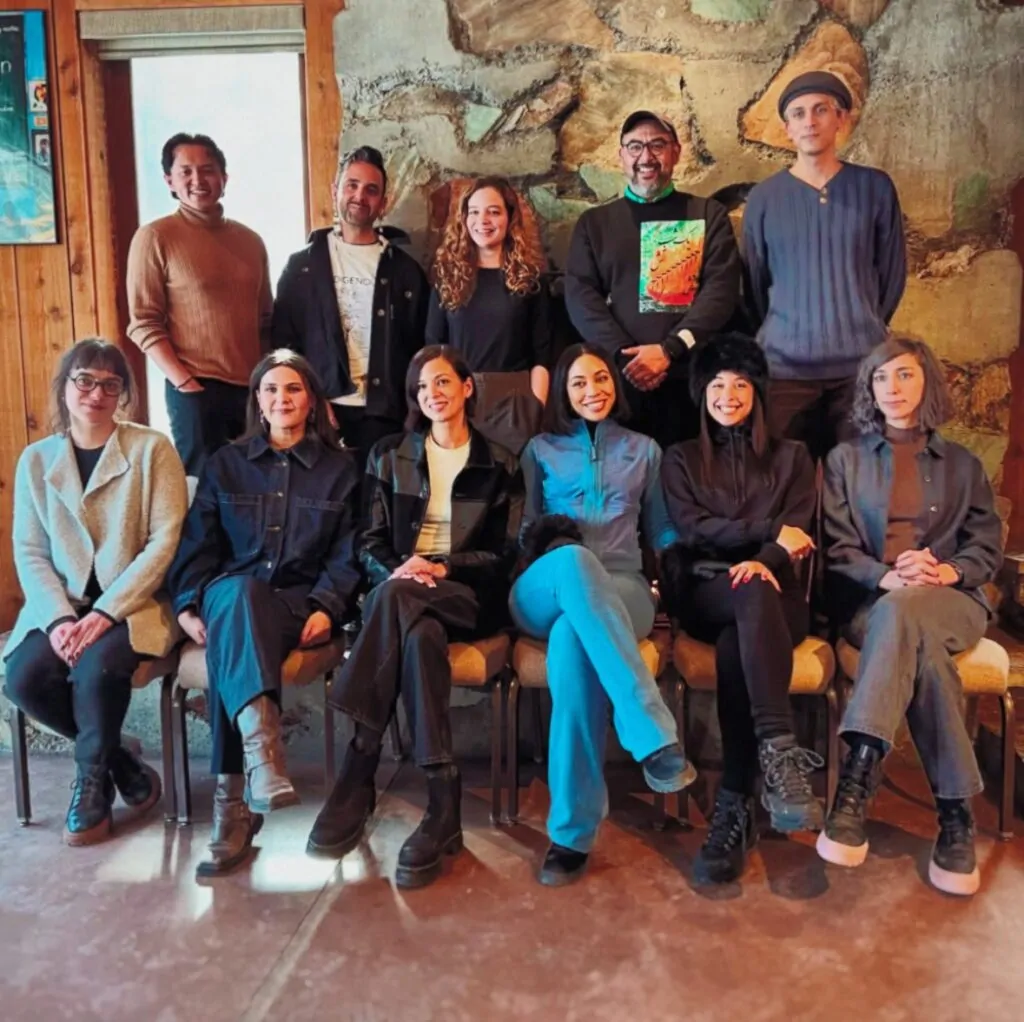
(Bottom L-R) Yelizaveta Smith, Katla Sólnes, Alexandra Qin, Andrea Ellsworth, Kasey Elise Walker, Lana Wilson
In between all those sessions, we watched each other’s films, and at the end of the lab, we had a final closing circle, which was even more vulnerable. You could tell that everyone there spoke more confidently and articulately, and we were all at a magical place, with a community of extremely talented artists who are all rooting for you to tell your story in its most honest form.
I'm so grateful for the support, friendship, and mentorship that the Sundance Institute has provided me throughout my filmmaking career. And I’d love to give extra thanks to Michelle Satter and her team for cultivating such a safe place for screenwriters to find community. She's a magician.