
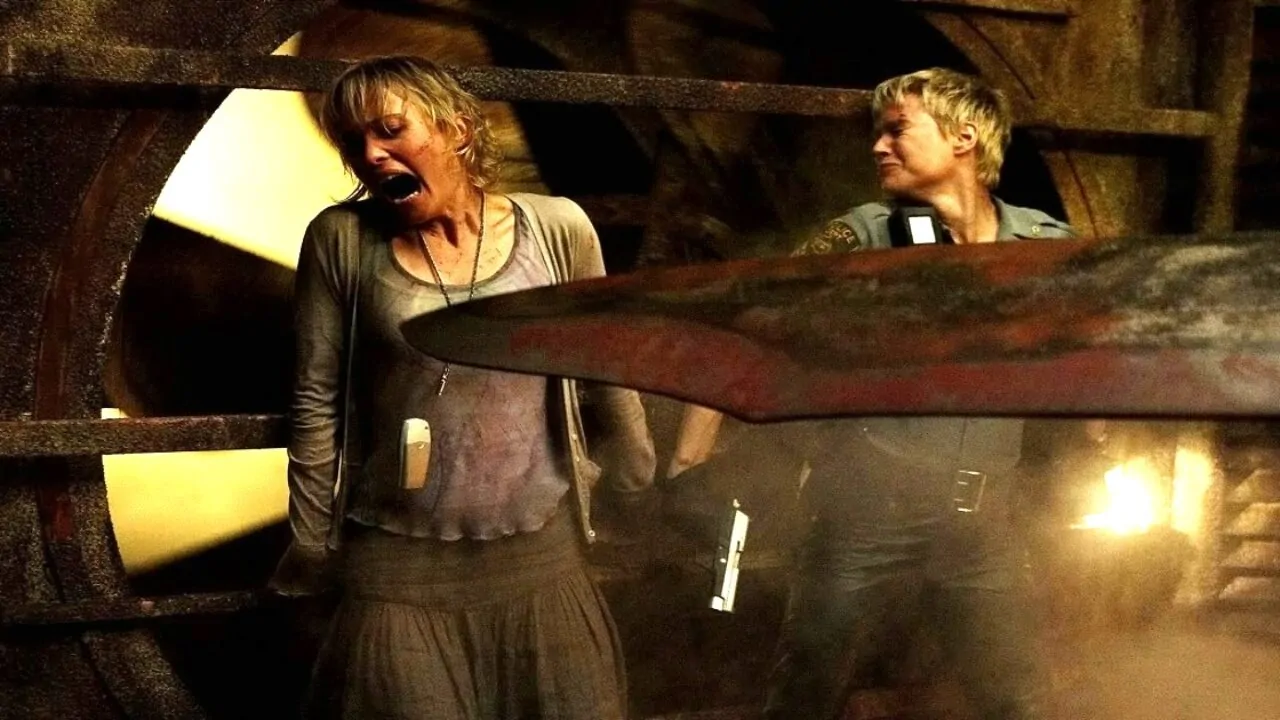
As video game adaptations claim a spot in studios' upcoming releases calendar (see the imminent releases of Mortal Kombat 2 and a new Resident Evil and Street Fighter movie later this fall), there is a constant online debate over faithfulness to the source material. Most recently, an online debate has started over Zach Cregger’s forthcoming Resident Evil and his decision to tell an original story within the world of the franchise rather than adapt a pre-existing story from any particular game.
So, is there a right way to translate a video game to film? A wrong one? The answer to that depends on the individual. But twenty years ago Christophe Gans set out to conceptualize Silent Hill for the first time on the silver screen — both as a fan of the games and an accomplished director. His film is a cocktail adaptation that remixes elements from the first three entries in the series, one that speaks to larger thematic ideas of organized religion, motherhood, and broken families, while simultaneously maintaining the oppressive and bleak mood that permeates the games.
Silent Hill is a series of psychological survival horror video games published by Konami set within the fictional town of Silent Hill. Players often confront supernatural events, monsters, and the occult as the town reshapes dreams and ideas into physical form to torment the protagonists. The foggy town is as conceptual and psychological as it is physical, which is why more than a few entries do not actually take place in the actual town of Silent Hill, but use the title to evoke what Silent Hill means.
For more, check out Why These 7 Video Game Horror Movie Adaptations Actually Work.
Silent Hill as a franchise is often mired in feelings of loneliness, melancholy, and—as tired and overused as the word is—trauma. The series is unafraid to tackle the darker aspects of human nature and the human psyche. Thus, many entries in the franchise tend to become somber affairs as protagonists confront their own moral failings and anxieties manifested in physical form. In effect, it makes Silent Hill a major character, even as a concept.
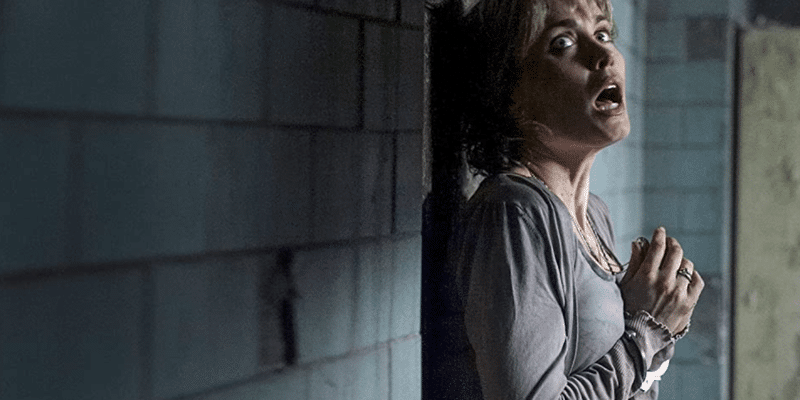
The 2006 film adaptation is filtered through the lens of its French director and Japanese publishers, trying to convey a warped facade of Americana destroyed by religious dogma. Through the use of early aughts industrial aesthetics and a gloomy atmosphere, the town of Silent Hill has been rusted over and decayed under the heel of pious fanaticism masquerading as salvation to paper over deeper sins of child abuse and puritanical witch hunts.
The film is almost entirely female-centered, swapping out the first game’s protagonist, Harry Mason, and his search for his daughter for a film focused on how corrupt religious doctrines bring about the loss of innocence and the death of the family.
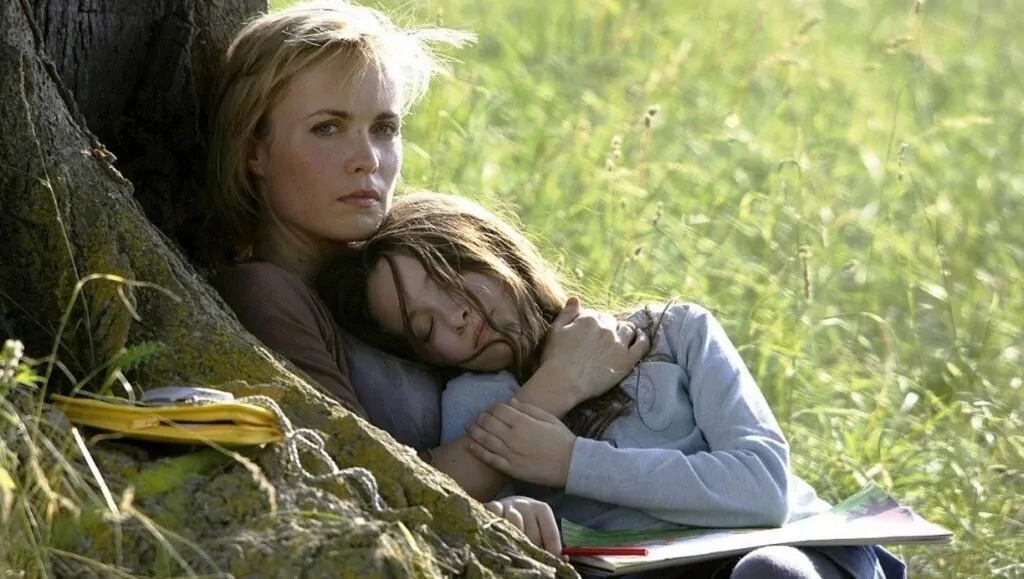
Gans understands the appeal of this idea as the film uses the narrative bones of the first game’s story, and mixes them with the iconic creatures and music tracks from the second, alongside the female-centered angst and perspective from the third. In creating this adaptation, Gans offers not just what Silent Hill is about, but also what it feels like.
To convey this feeling, Gans translates many of the games' events and techniques to the big screen. This is evident in the first fifteen minutes of the film, when Rose Da Silva (Radha Mitchell) enters the titular town searching for her missing daughter, Sharon (Jodelle Ferland). As she chases a girl she believes to be Sharon down an alleyway, the familiar siren begins to blare and the skies darken to the point of obscurity. Using a lighter to find her way forward, the world around Rose transforms into a grungy, industrial, and rusted-over hellscape called the Otherworld.
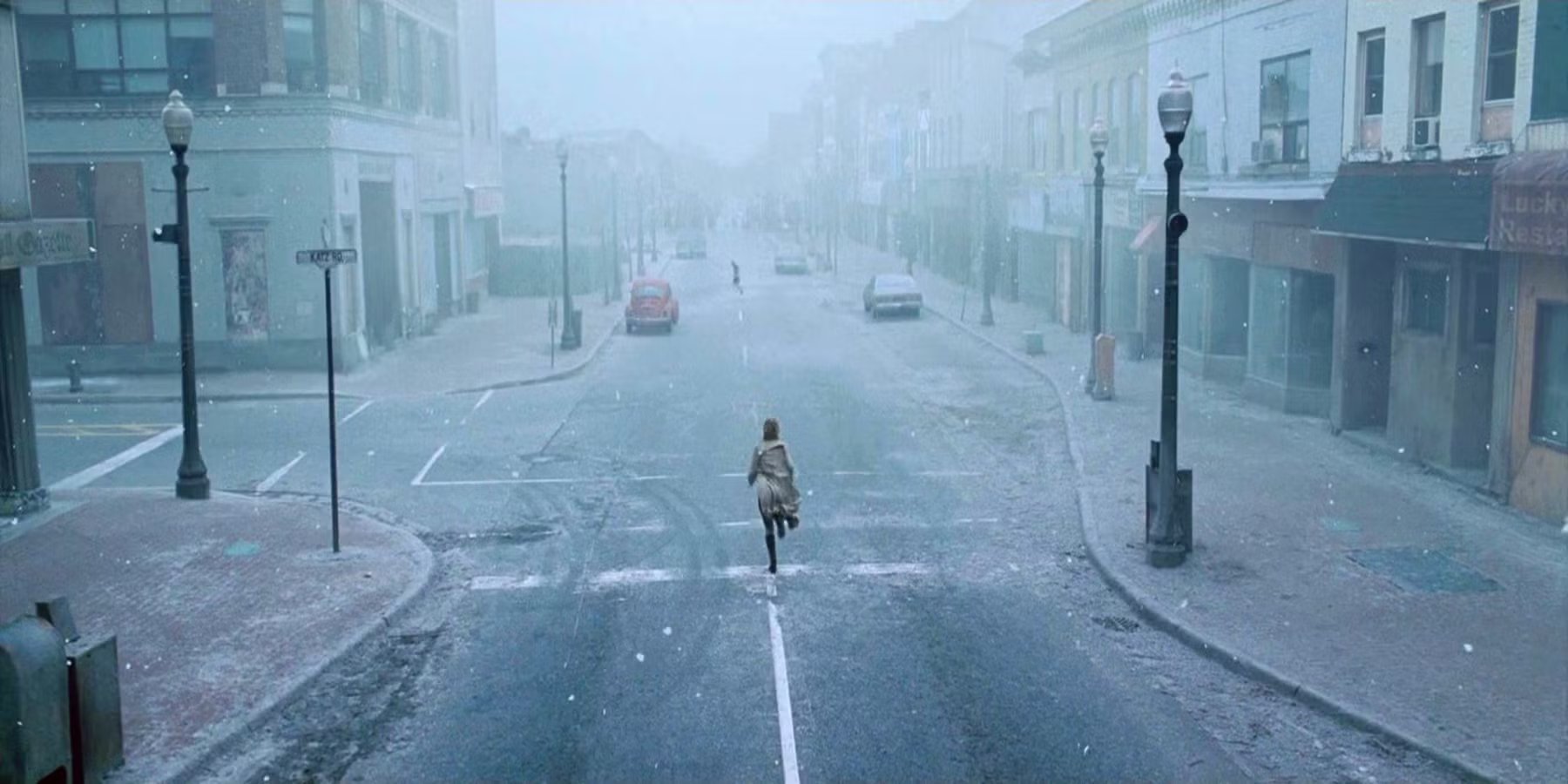
Before long, she is attacked by a horde of monstrous children, wailing around with their hands outstretched as if reaching out for their mother, before fading as quickly as they appeared. This sequence is directly lifted from the opening moments of the first game, when Harry Mason enters Silent Hill and is similarly attacked in the Otherworld.
Even the camera’s positioning in this sequence mimics the game’s occasional fixed-camera angles to heighten the claustrophobic atmosphere. It’s an incredible sequence that marries cinematic technique with the language of video games and the aesthetics of the world of Silent Hill.
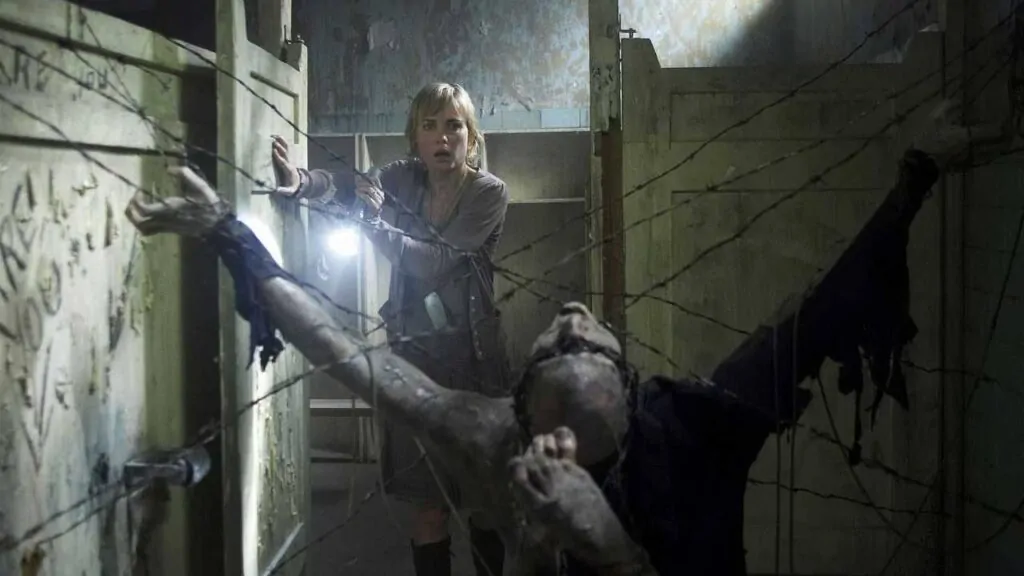
But Gans isn’t content with simply aping the visual stylings of this world. He also uses it to address the film’s broader thematic emphasis on motherhood and broken families. At the opening of the film, before their daughter Sharon goes missing, the Da Silva family is already struggling with Sharon’s constant sleepwalking and nightmares about the town. Rose’s decision to take Sharon to Silent Hill for answers without telling her husband, Christopher (Sean Bean), is the film's inciting incident, fracturing the family at the outset.
But it’s Sharon’s disappearance and Rose’s search for her that truly begins the dissolution of the family unit. Given the previous assertion that Silent Hill manifests personal fears, anxieties, and the darker aspects of human consciousness into reality, it’s important to understand that, as a series, Silent Hill is as much about the subtler details left unsaid and interpreted as anything else.
In the scene described above, it’s entirely possible to interpret that the horde of attacking children is, in fact, twisted manifestations created by the town to reflect Rose’s traumatic experiences with childbirth prior to Sharon’s adoption. In that metaphorical reading, Rose is both haunted by the trauma of childbirth, and her dogged pursuit of Sharon could be considered a reflection of her desire to be a mother so as not to lose another child.
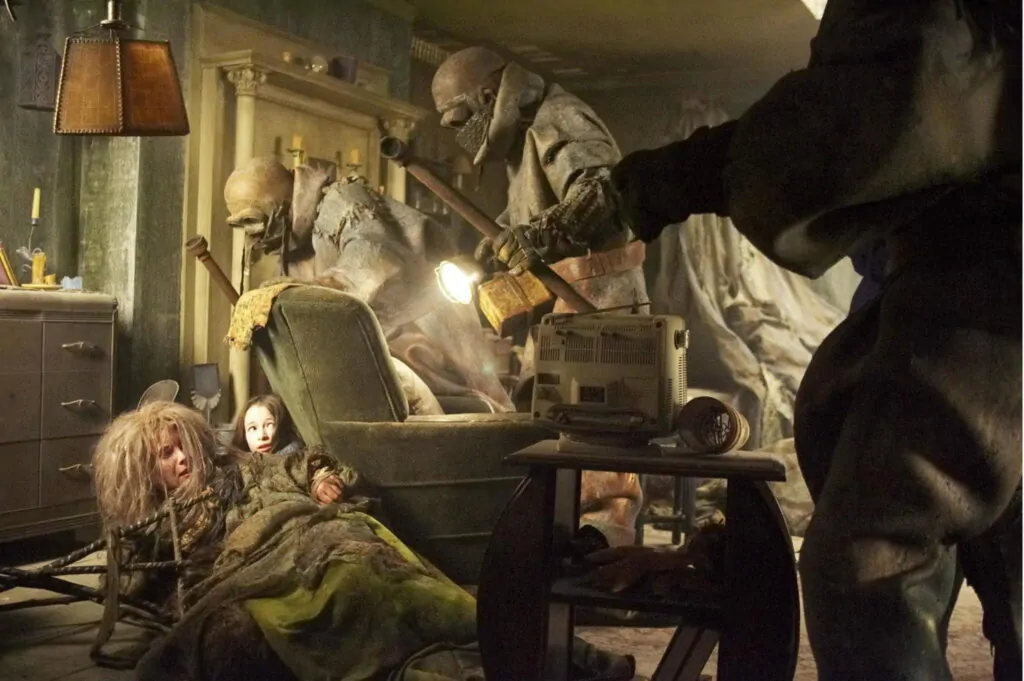
This theme mirrors that of another mother and daughter duo at the center of Gans’ movie: Dahlia and Alessa Gillespie, who were tragically torn apart due to Dahlia’s inability to save her daughter Alessa from the Brethren Cult’s attempt to “purify” her.
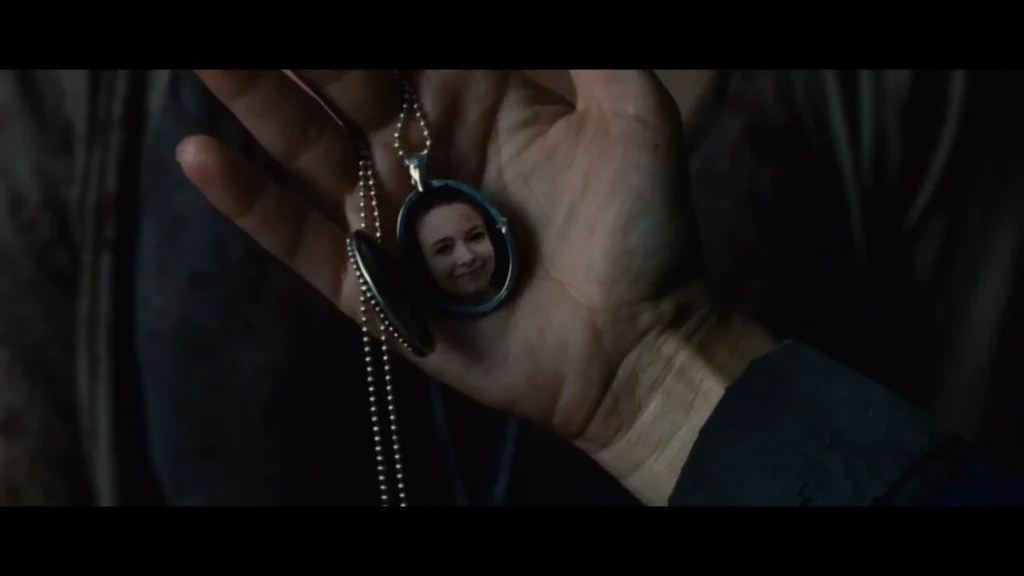
However, where Dahlia could not stop the Cult from deciding her daughter’s fate (subsequently damning both herself and the town into its ongoing purgatory), Rose is steadfast in finding her daughter and resisting the Brethren’s power. In essence, the Da Silvas and the Gillespies’ storylines running in contrast to one another exemplify the film's leitmotif of motherhood.
Further tying these two families together is the lack of a father. For the Gillespies, there is no mention of a father other than the fact that Alessa was born out of wedlock. And while Christopher Da Silva is still part of the family and actively searches for his wife and daughter, he ultimately mirrors the unknown Gillespie father, given that he has no impact whatsoever on the outcome of their story in the film.
Worse still, Christopher never sees either Rose or Sharon again. In a sequence 45 minutes into the film that foreshadows the bittersweet ending, Christopher and Rose pass by one another, separated by Silent Hill’s split realities. Christopher feels Rose’s presence as she runs right through him, noting he can “smell her perfume”, but is unable to reach her.
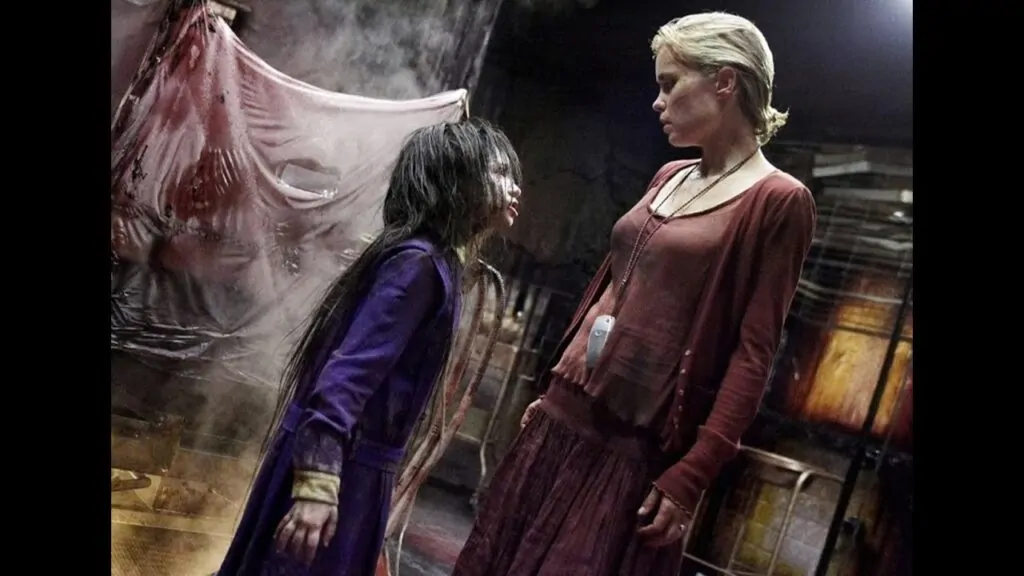
In conjunction with this sequence, the ending perhaps reinforces this broken family interpretation as well, given that Rose and Alessa (who is reborn after reuniting with the Sharon and Dark Alessa aspects of her soul) return home but remain lost in the fog dimension, while Christopher remains in the real world. It’s a poignant, melancholic ending that showcases the power of Silent Hill to keep people trapped in its world.
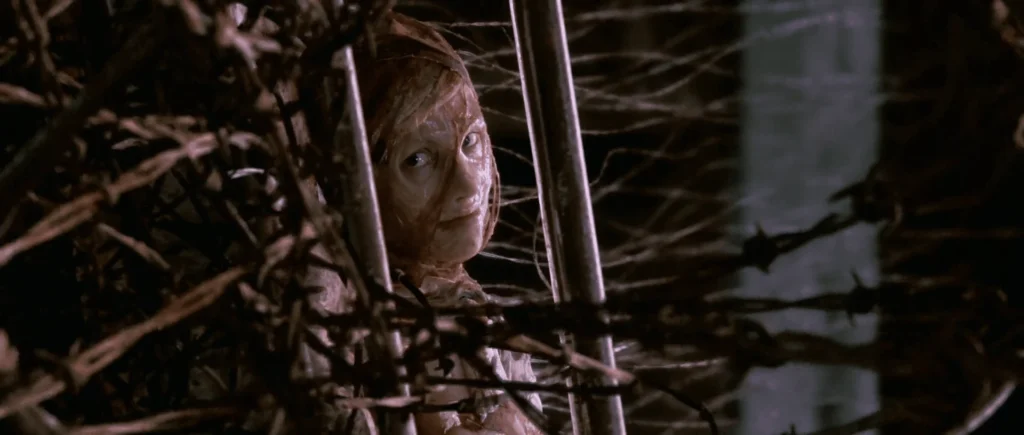
Furthermore, the emotional toll exacted upon the Da Silvas in this metaphorical reading is one that keeps both Rose and Christopher forever disconnected due to their fundamental inability to come together in the wake of losing a child.
Silent Hill is a fascinating film for many reasons. It’s not perfect by any means. Pacing issues and stilted dialogue are among the film's more obvious flaws. But despite those glaring issues, there is still beauty in Gans’ tragic images. He practically tells an original tale with its own perspective and thematic depth, while being mindful of what elements to include from the games.
From a selective mixture of long-time game composer Akira Yamaoka’s beautifully melancholic score to translating the video game-ness of Silent Hill over to the silver screen with its obtuse maps, and wandering aimlessly through town, Gans’ first run in adapting the Silent Hill games succeeds where many others still fail today.
He knows that the spirit of adaptation is more powerful than a faithful recreation, an idea where his most recent sequel, Return to Silent Hill (a film I quite like but recognize is deeply flawed), falters. Ultimately, Christophe Gans understands the macabre appeal of the Silent Hill franchise: whenever someone steps into Silent Hill, they will inevitably get lost in the fog.
