
Editor's Note: This was originally published for FANGORIA on October 22, 2004, and we're proud to share it as part of The Gingold Files.
It would be a shame if Jim VanBebber’s The Manson Family got lumped in with all the other true-serial-killer movies that have been glutting the horror scene these days. For one thing, VanBebber has been working on this project for over a decade, since long before those other films were twinkles in their creators’ eyes; for another, the writer/director is after more than a simple case history. For all the extreme blood and gore he presents, he’s just as interested in creating a document of the times and attitudes that spawned Charles Manson and his crimes. His evocation of the period is just as notable as—perhaps more so than—the bluntness of the murder scenes. Indeed, it’s when VanBebber sets his action in the “present” that his film is least effective.
Those framing sequences involve a TV producer working on a documentary about Manson, and a bunch of young cultists who still revere Charlie and plot the producer’s demise. Not as effective as the main body of the movie, these scenes could be seen as a sort of retroactive metaphor for the forces that seem to have been arrayed against VanBebber’s quest to get his own docudrama-styled feature to the screen. Prior to finally receiving finishing funds from Blue Underground UK, the filmmaker screened a rough cut of his movie at numerous venues over the past decade; I caught it at Montreal’s Fantasia in 1997 (under its original title Charlie’s Family), and found the grainy, damaged-looking images of corruption and murder pretty damn disturbing. In its finished form, with a sharp and raucous soundtrack, it still gets under the skin, in part because a good deal of it retains an intentionally homemade look.

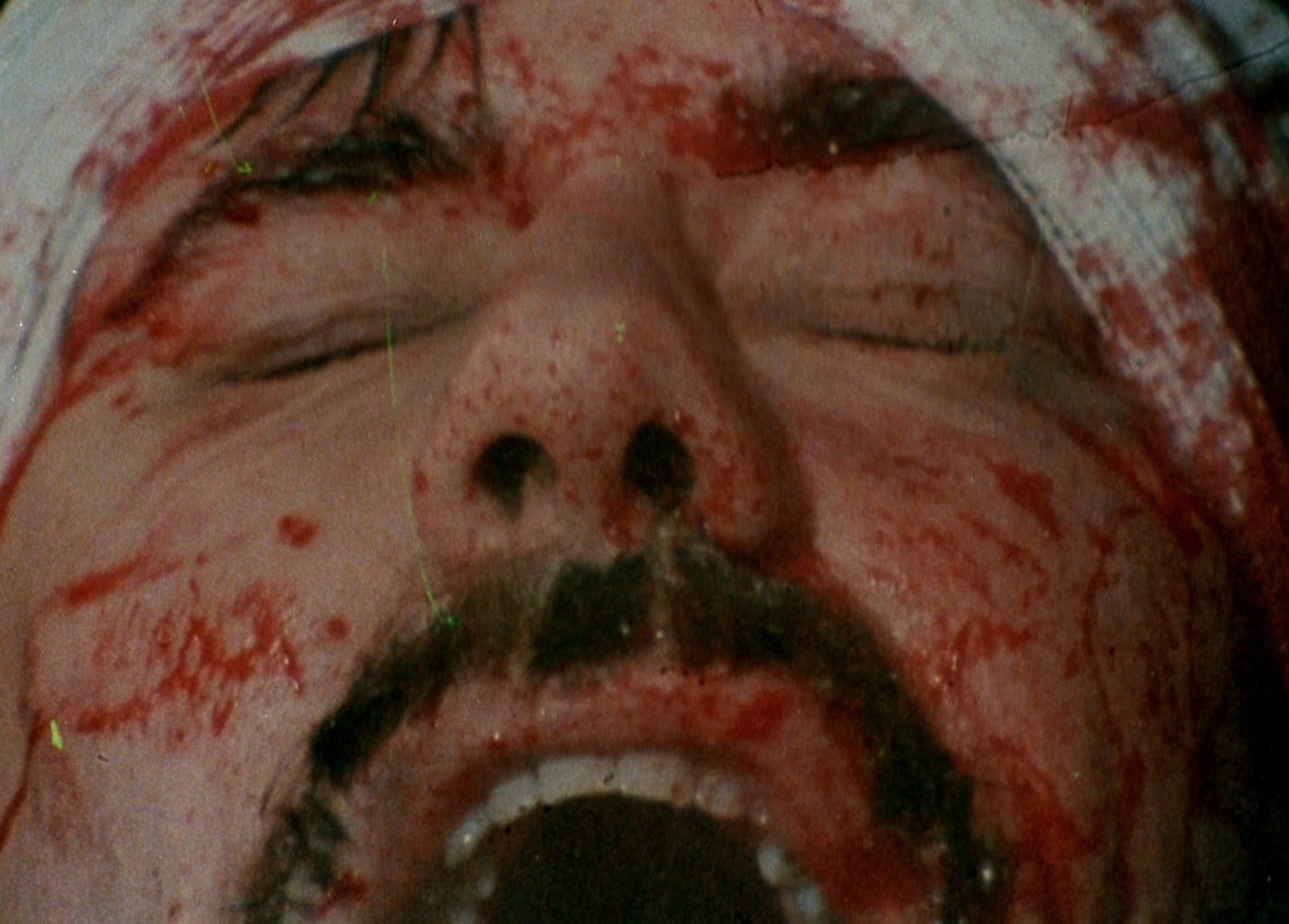
Mixing film stocks (plus occasional video inserts) and abusing the footage until some of it appears as battered as the Manson followers’ victims, VanBebber chronicles the formation of Charlie’s cult, their activities at the Spahn ranch and the circumstances that led them to go on a grotesque murder spree in 1969. Most of the movie’s first hour or so isn’t really violent at all, as VanBebber mixes dramatizations with “interviews” (performed by actors) with assorted members of the Family. The acting is as intentionally artless as the filmmaking, and while the performances are varied, they’re all effectively unmannered and fit right into VanBebber’s vérité approach. His use of handheld camera and docu-style editing puts you right into the scene, and frequent surreal insert shots nicely capture the hallucinatory state of the times. Most impressively, he does a better job than anyone could have expected of recreating late-’60s California in late-’80s Dayton, Ohio.
VanBebber makes it easy to get caught up in the vibe surrounding the ranch even as he drops hints that all is not going to end well. Eventually, inexorably, the free-love-hippie aura gives way to anger and violence—shocking violence. Nasty violence. In-your-face, no-holds-barred murder setpieces that are prolonged, intense and unflinching. It’s frankly hard to watch, even for seasoned horror fans, yet VanBebber’s in-your-face depictions are of a piece with the you-are-there dramatizations that precede them. In a sense, VanBebber seems to be saying, “You’re paying your money to watch a movie about murders that actually happened, in which real people were killed? Well, here’s how it really went down.” Unlike some other examples of the true-killer trend, this film doesn’t trick up the onscreen deaths with fancy editing, propulsive music or other gimmicks that attempt to turn the carnage into “entertainment.” For better or worse, VanBebber shows it like it was.
The Manson Family begs the question elicited by any film derived from real-life horror: Why tell this story, and dredge up dreadful memories from America’s unconscious? In this case, VanBebber justifies the telling with his raw artistry, his evocation of a specific time and place and examination of how an era devoted to “peace, love and understanding” spawned one of history’s most vicious crimes. It would have been easy to make a film in which the Manson cult’s murders were the sole point; it’s VanBebber’s achievement that he holds our interest in the Family before they pick up their weapons.