

Last Updated on September 15, 2026 by Amber T
I was never in a sorority in college, but I’ve seen plenty of horror movies about them. They seem like an oddly ripe location for murders, probably because of the amount of innocent, probably scantily-clad young women residing in them who likely can’t defend themselves. (Ah, gotta love that good ol’ 20th century sexism.) More than anything, I’ve seen a ton thanks to Tubi, whose library is full of so many subgenres of horror that it’d take me years to see everything.
But that aside, there’s something about a scary movie set in a sorority, about the perversion of a purely feminine stronghold by a violent, masculine invader, that makes for a damn good movie. So good, in fact, that you can track their evolution through the history of horror cinema, from defining slashers to silly horror comedies and beyond.
I doubt anyone would argue with me if I said the long and illustrious history of this very specific subgenre began with 1974’s Black Christmas, which made viewers forever terrified of attics and rocking chairs. (Well, it made me afraid of those things, at least.) Based on the same idea of “the call is coming from inside the house” that made When a Stranger Calls so famous five years later, Black Christmas is often credited with not only being the first real sorority-set horror film, but also the first slasher, period. The film had a direct influence on John Carpenter’s Halloween, so really, it’s director Bob Clark we have to thank for Michael Myers and his inability to stay dead.

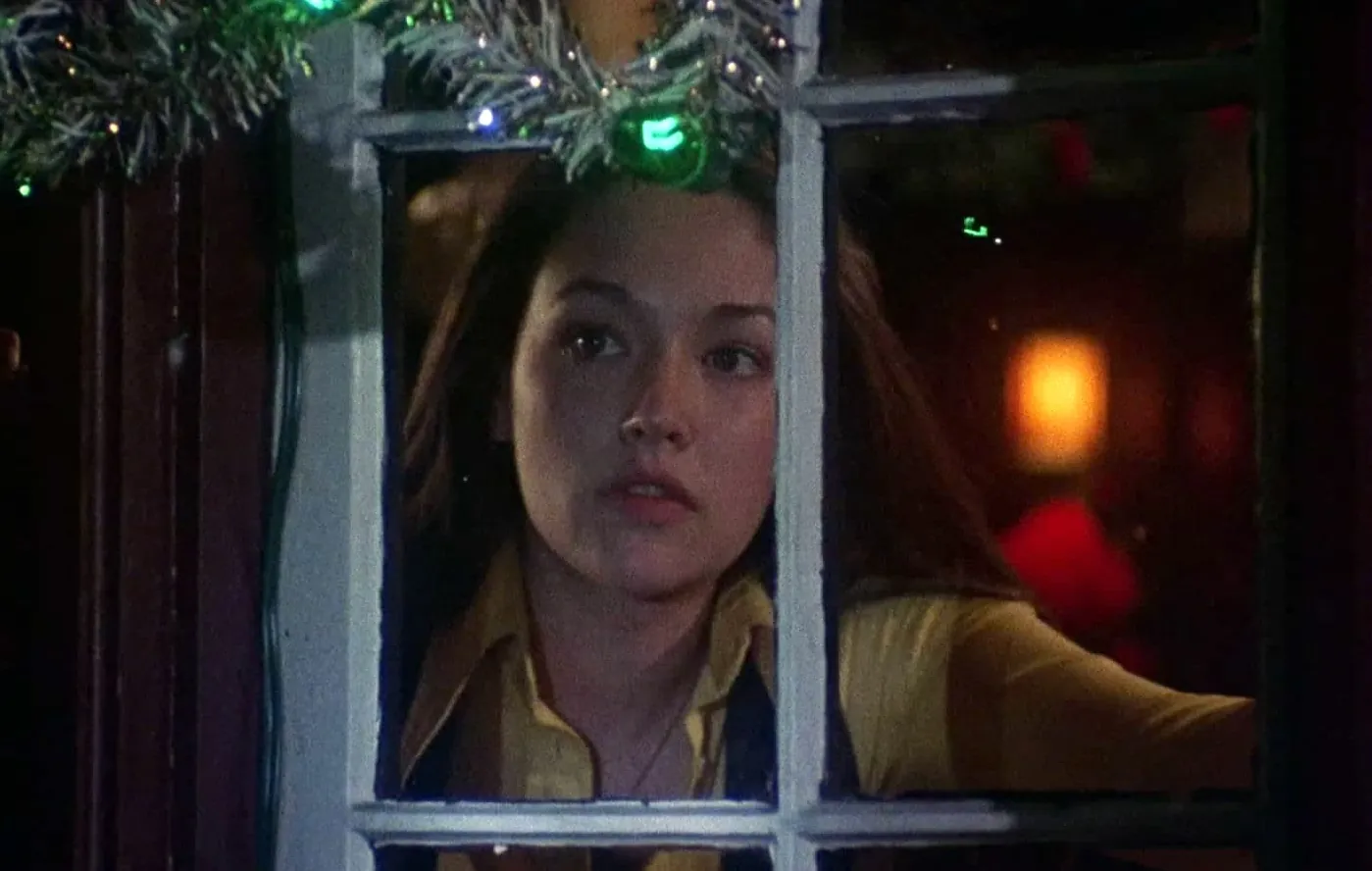
And, when one idea is a success, Hollywood inevitably milks it for as much as it’s worth. The following decade saw plenty of Black Christmas lookalikes, though the subgenre of sorority slasher became popular enough by the mid-1980s that they weren’t all total ripoffs. Next to Clark’s cult classic, The House on Sorority Row is probably the best known of the subgenre, mostly for its appropriately chosen title.
Featuring future soap stars Eileen Davidson and Kathryn McNeil, the 1982 film starts not with a murder of one of its sisters, but with a death they caused during a prank gone wrong. When a mysterious figure witnesses the crime, they begin picking off girls one by one during their graduation party, which is a real bummer end to their college careers. The film was beloved enough by horror audiences to receive a remake (simply called Sorority Row) in 2009, though the original still holds its own as a defining film of the genre.

1982 also saw the release of Pieces, which takes the concept of Sorority Row and amps it up a notch, by inserting a killer who murder college girls to use their body parts for a human jigsaw puzzle. Unsurprisingly, the film’s violence saw it confiscated in Britain as part of the country’s “Video Nasties” controversy, when the market was flooded with uncensored exploitation films. Honestly, that’s all the more reason to give it a watch, we think.
There are, of course, other kinds of sorority slashers that take things a little less seriously. Night of the Creeps is often touted as a fan-favorite horror comedy, but my personal favorite is Sorority Babes in the Slimeball Bowl-O-Rama, which (on top of being maybe the best horror movie title ever) moves things squarely into the category of the absurd. When two sorority pledges are hazed into stealing a bowling trophy, they unintentionally free an imp that wreaks havoc on their lives and the lives of their friends — entertaining, but definitely not as terrifying as Black Christmas’s unseen killer.
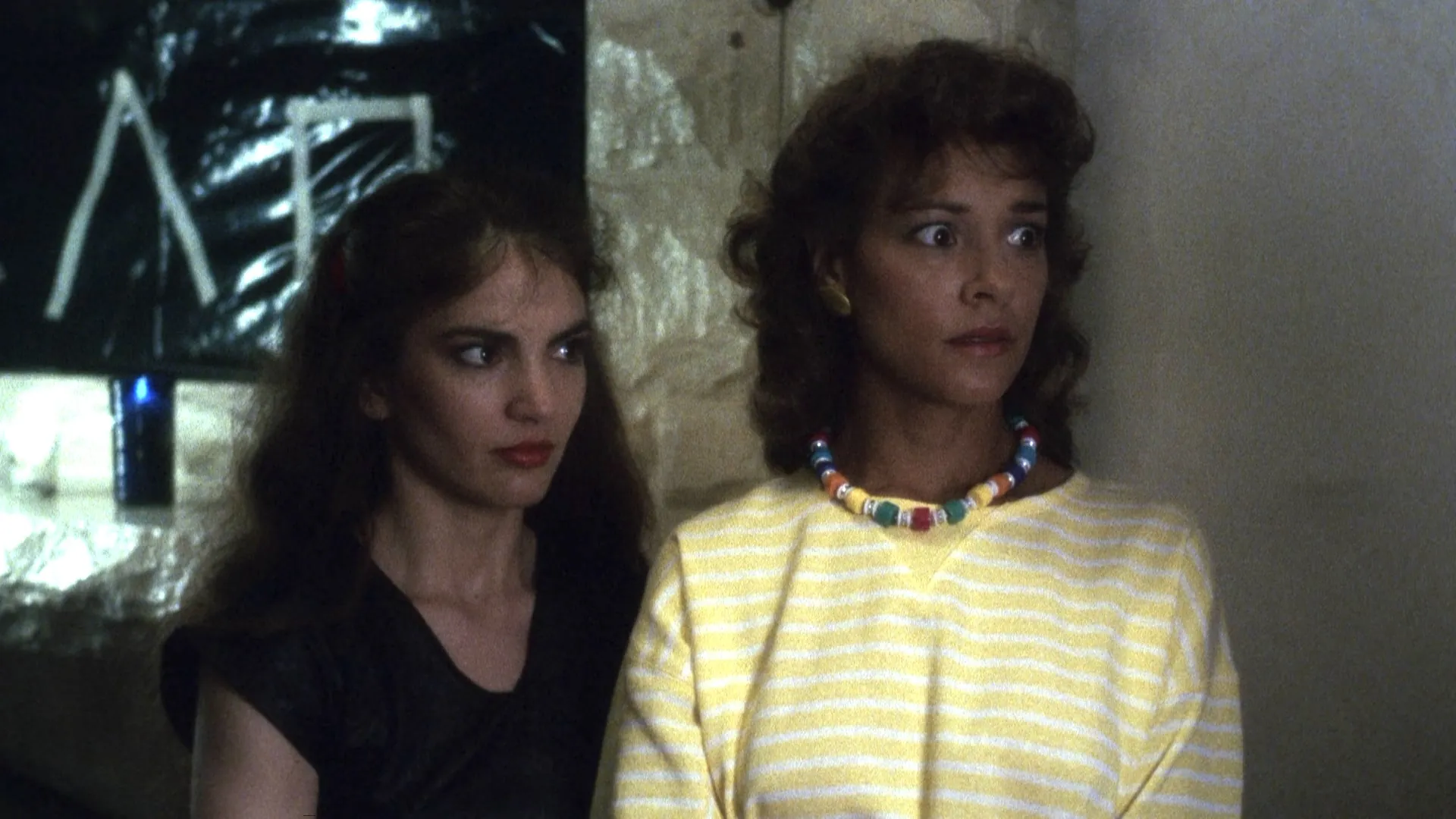
With that, the sorority slasher diversified. Daphne Zuniga led the 1984 film The Initiation — not to be mistaken with the 2020 film Initiation, also a member of the genre — as an amnesiac sorority sister, while on the other side of the spectrum, the Ghoulies went to college in Ghoulies III, turning college campuses from a place of unfamiliar strangers and dark secrets to another playground for whatever horror filmmakers wanted. Which is, to say, anything and everything, including little monsters. I suppose we have the imp from Sorority Babes to thank for that, but it does mean that the focus on female sisterhoods of higher education began to wane the further the 20th century went on.
When the new millennium came around, college-set slashers began to pull their focus away from sororities and towards fraternities, as the evolving gender politics of horror proved that it’s not just dolled-up girls who get struck down by masked killers. (Equal opportunity death for everyone!) Films like Pledge became more popular, but every so often, a brave final girl managed to sneak her way into the crowd.

Such is the case with Kristy, a 2014 film starring Haley Bennett and Ashley Greene. Set over the cold and lonely Thanksgiving break, Bennett’s Justine finds herself menaced this time by cultish killers, forced to use whatever she has on hand to defend herself without any friends to help her. (Fair warning though: check Does the Dog Die before you head into this one. Oof.)
But where does that leave us now? With recruitment season once again upon us — producing some truly unsettling videos that not even Tobe Hooper could match — what’s the current state of the sorority slasher? Luckily, it seems like they haven’t totally died out amidst the Obsessions and the Backrooms currently taking over the horror landscape.
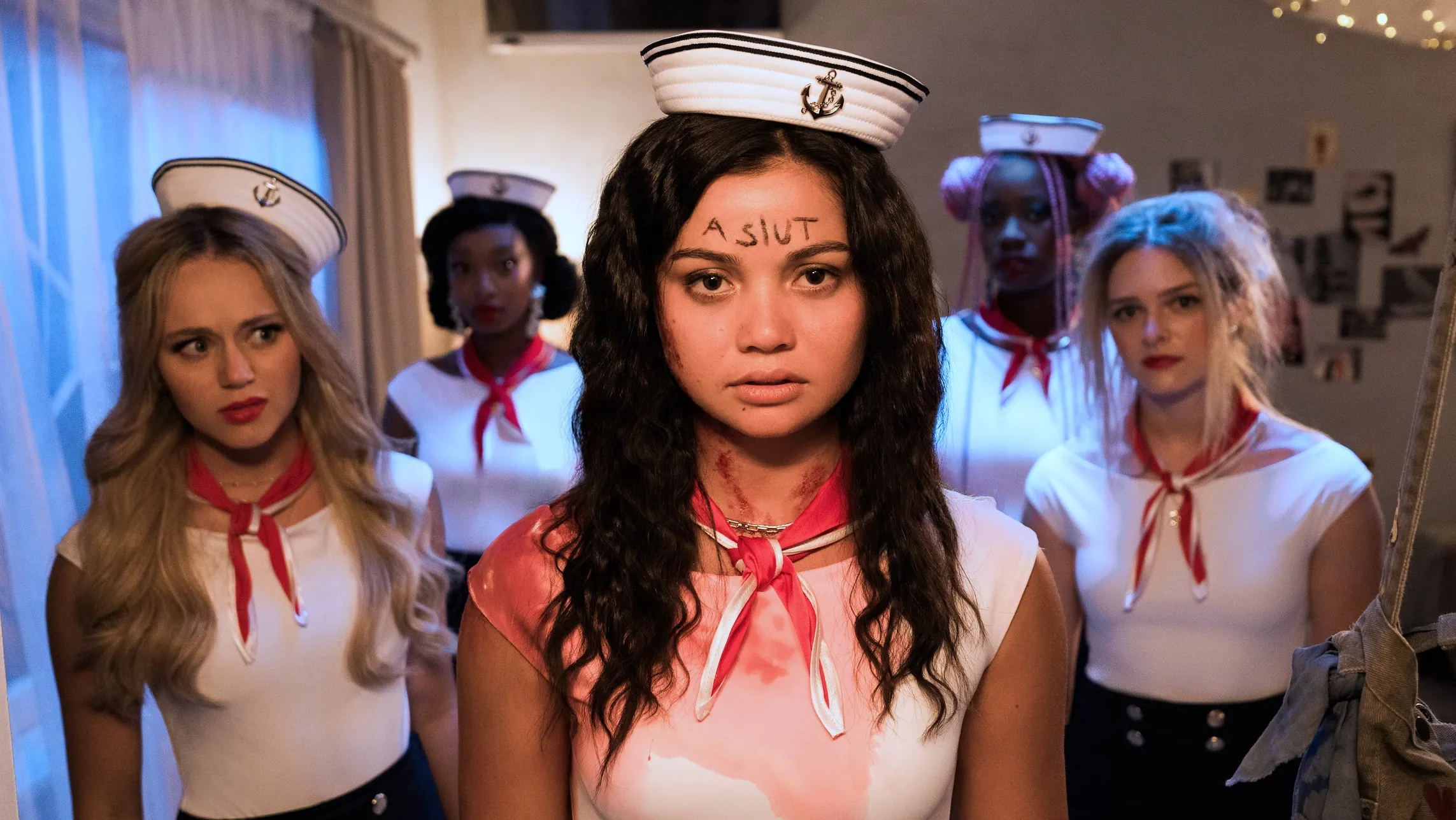
The latest installment in the genre comes from Tubi, releasing the new horror comedy Buzzkill this month. In the great tradition of sorority slashers before it, the new film starring Siena Adugong and Brec Bassinger traps its protagonists inside a sorority house, pursued by a killer who murdered their former president. The only twist? Adugong’s Nora knows who the killer is, but she can only access those memories while drunk.
Thus begins the tipsiest slasher comedy you’ve ever seen, as bodies (and bottles) pile up and Adugong tries not to black out before she saves her sisters from certain death. It’s a distillation of all the sorority slashers that came before it, equal parts the bizarreness of Sorority Babes and the bloodcurdling fear of The House on Sorority Row — a worthy addition to the canon, if you ask us.
So, even if you never rushed a sorority (or partied at one), you can still have a howling good time and transport yourself into one with the magic of the movies. And the best part? All of the movies I mentioned in this piece are available to stream for free on Tubi, as a part of their new Terror on Tubi banner. Which one will you try first?
This article is sponsored by Tubi in partnership with FANGORIA.
