Last Updated on July 14, 2024 by FANGORIA Staff
Universal Pictures’ “Classic Monsters” are as synonymous with the history of onscreen horror as Ford’s Model T is to the history of the automobile. A U.S. institution, the studio has become ― through production, distribution, and acquisition of properties ― the bedrock of the genre. As home entertainment evolved, TV syndication of Universal’s films brought a new audience during the ’50s ― leading to monstrous merchandise for horror-crazed kids ― with IP eventually re-established during the mid-’90s through an expanding video market. But there is much more to what is associated with “Universal Horror” than Dracula, Frankenstein, and the Wolf Man, having moved beyond the gothic realms and helping redefine the genre through more relatable horrors of modern America. Aside from delivering the birth of the blockbuster, Universal has also provided crucial commentary on the 21st century, all the while redefining the monster in us all…
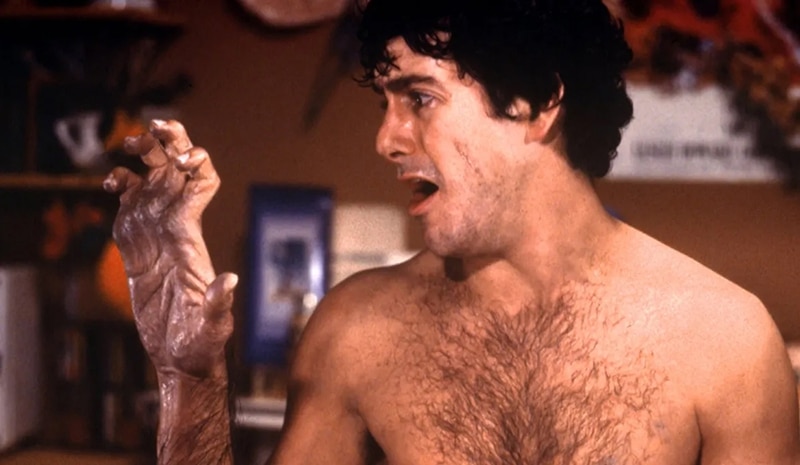
An American Werewolf in London (film) UK, US (1981). This mix of horror and comedy reveled in redefining the werewolf movie, providing a seminal postmodern slice of lycanthropy. Rick Baker’s Academy Award-winning special makeup effects elevate the film into benchmark territory to deliver the closest to a revisionist Universal Horror that thrives on the self-referential as much as its originality. For a more in-depth read, check out Beautiful Beast: AN AMERICAN WEREWOLF IN LONDON At 40.

Bride of Frankenstein/Bride of Chucky (films) US (1935/1998). Whether it is James Whale’s incarnation or Don Mancini’s Cabbage Patch Barbie, both versions of the monstrous female counterpart are wonderfully iconic additions to “The Bride” concept. Where one is the epitome of the Gothic, the other is a postmodern self-aware Debbie Harry caricature that spits in the face of the slasher stereotypes who refuses to be the “final girl”… or final doll.
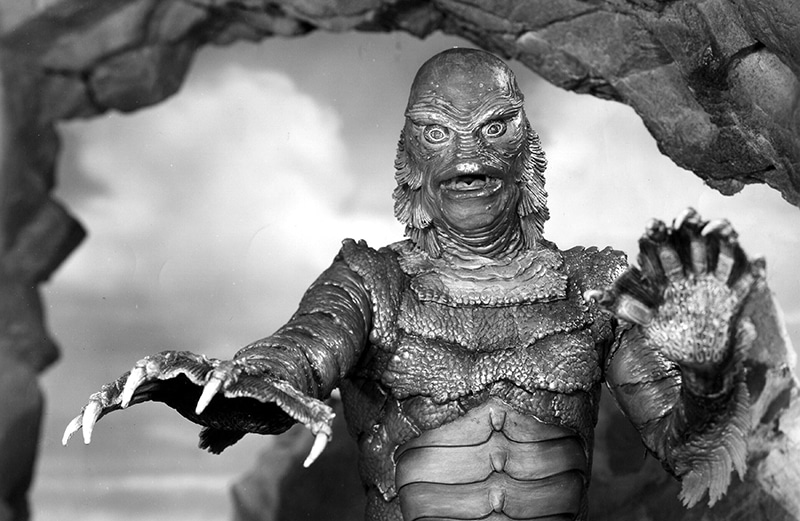
Creature From the Black Lagoon (film) US (1954). The Gill-Man is an original beast of burden unshackled from gothic literature and, instead, becomes a by-product of the atomic age. The result, as so often seen in monster movies of the ’50s, is a throwback to something more primordial; the amphibious “creature” fully formed in rubber-suited B movie glory. Yes, it’s clunky, but there is still something quite mesmerizing about the underwater scenes; several shots of which seem eerily familiar to the opening attack in Jaws.
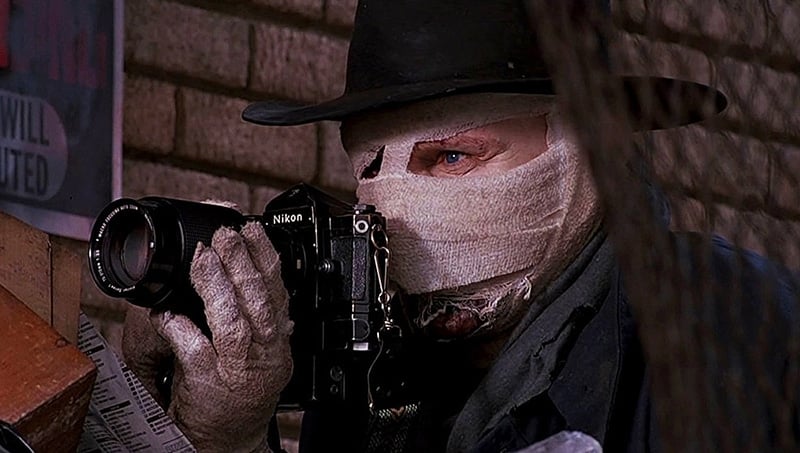
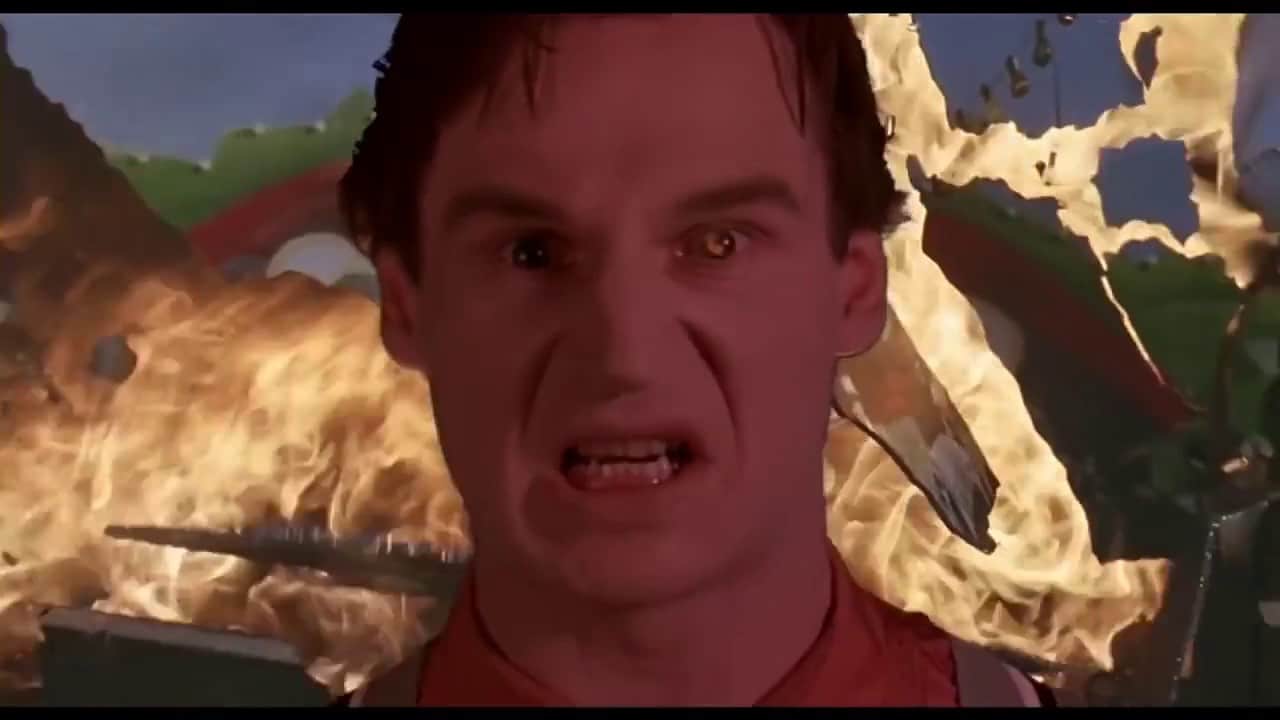
Darkman (film) US (1990). Before Sam Raimi helped to launch the superhero genre during the early noughties with Spider-Man, he made his first amalgam of superhero-horror. Part Phantom of the Opera, The Shadow, and Invisible Man, the Darkman character ― played by Liam Neeson ― is as much of an homage to the Universal Classic Monsters as he was to the pulp literature of the time, presenting a prime example of how well the genres cross over. This made Raimi an obvious choice to direct Doctor Strange in the Multiverse of Madness which shows off many of Raimi’s signature goofball (if somewhat jarring) comedy and pushes how far the scares go for younger viewers.
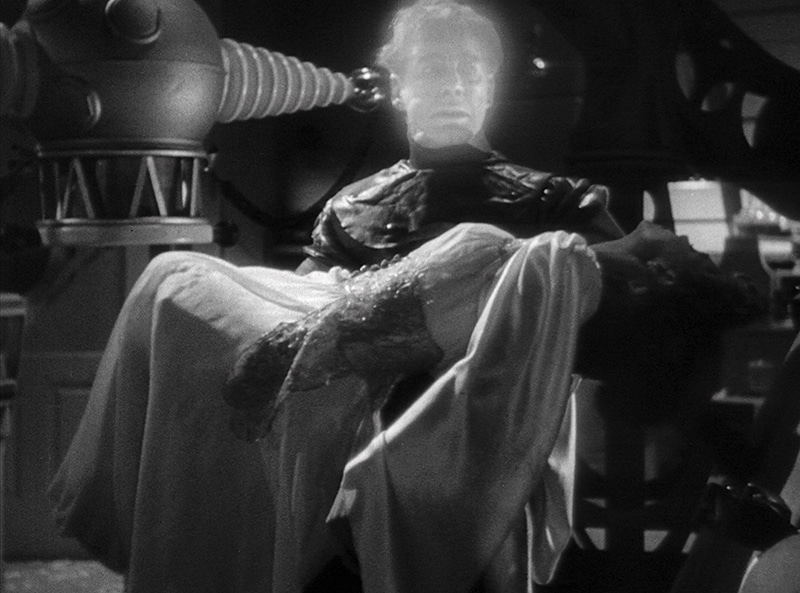
The Electric Man (film) US (1941). Otherwise known as Man Made Monster, this was one of four films from director George Waggner released the same year, including Horror Island, South of Tahiti, and The Wolf Man. A film of many titles, it was not only re-released as The Mysterious Dr. R., and The Electric Man ― a title that originates from a shelved Karloff and Lugosi project from 1936 ― but also The Atomic Monster under Realart Pictures as a double feature with The Flying Saucer (1950) in 1953.
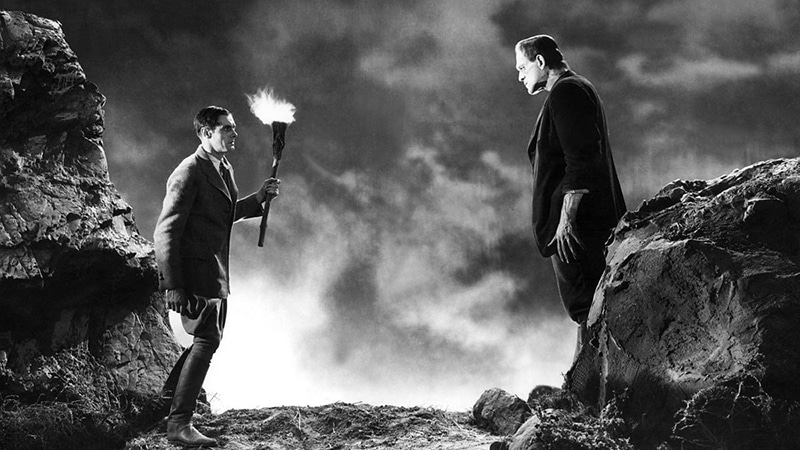
Frankenstein (film) US (1931). Universal Pictures’ leading director of the ’30s, James Whale, defined the studio’s iconic cycle of horror with some of their most memorable films, including The Old Dark House, The Invisible Man, and Bride of Frankenstein. His version may not be a literary adaptation, but through the lens of Hollywood has become the most definitive. Boris Karloff’s performance is a very human one that captures the spirit of Shelley’s creature, while Jack Pearce’s incredible special makeup effects still hold up to this day. Much like his other films, Frankenstein taps into personal explorations of identity associated with Whale’s work, such as mental and physical disability that was a monstrous veneer of his homosexuality. Check out Mad Science And Makeup: FRANKENSTEIN At 90.
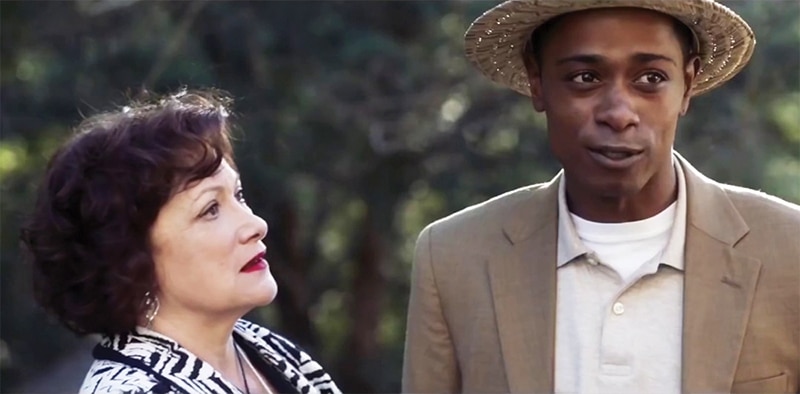
Get Out (film) US (2017). Arguably the most important Black Horror this century, Jordan Peele’s directorial debut is also a rare example of being acknowledged by the Academy. Oscar-nominated for best picture, director, actor, and screenplay, it won only the latter. Recognition from the award paved the way for the “Horror Noire” movement we are still riding high on, but (not surprisingly) came at a time when minorities’ voices needed to be heard more than ever. The horror in Get Out may show hints of The Stepford Wives and Invasion of the Body Snatchers, but Peele takes the white picket fence and drives it straight through the heart of the liberal elite to expose the insidious side of white America that tends to paint over good old-fashioned white supremacy.
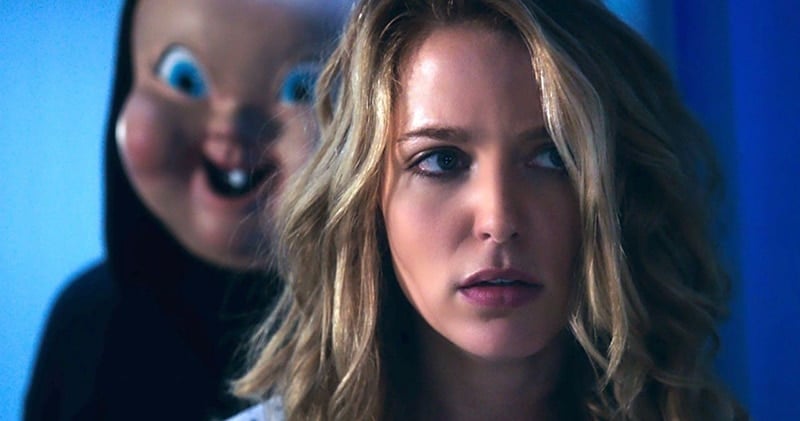
Happy Death Day (film) US (2017). In this “groundhog day” slasher, we are introduced to part-time student and full-time party animal, Tree (Jessica Rothe). As she dies over and over again ― like a final-final-final, girl ― she begins to wear the internal scars of her multiple deaths and, in turn, grows from tragic (horror) queen bitch into a bona fide, sympathetic, kickass heroine. Despite its elevator pitch and elevated thrills, the ending is a tad predictable but certainly not enough to detract from one of the most fun and smartest horror movies in recent years.

The Invisible Man (film) Australia, US (2020). Leigh Whannell’s reimagining of the classic tale transposes what the core element of “invisibility” can do psychologically to an individual and rebuilds it as a thriller akin to Sleeping with the Enemy. In a post-Weinstein world, the horrors of the film only remind us that an unseen predatory threat is not only very real but cannot be ignored. In this film’s case, the mental and physical abuse becomes glaringly “transparent” when committed by unseen hands.
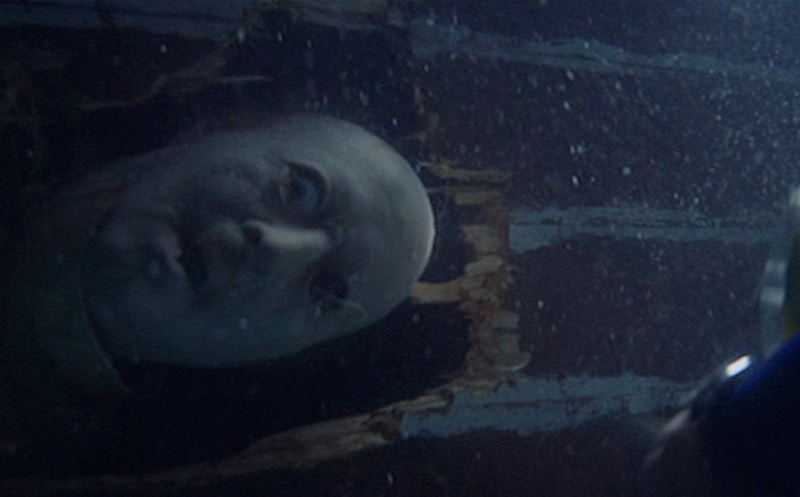
Jaws (film) US (1975). The epitome of a perfect movie, Steven Spielberg’s masterpiece not only launched the summer blockbuster but also, as one of the greatest movies of all time, broke down the boundaries of genre filmmaking. It ushered in the end of The New Hollywood era in which Spielberg and the rest of the Movie Brats ― Coppola, Lucas, Scorsese, De Palma ― were an integral part of and set the scene for the years to come. Horror? Of course. But Jaws has it all; a “three men in a boat” tale that becomes a perfect character study and sea-faring adventure on top of the terror that lurks under the surface.
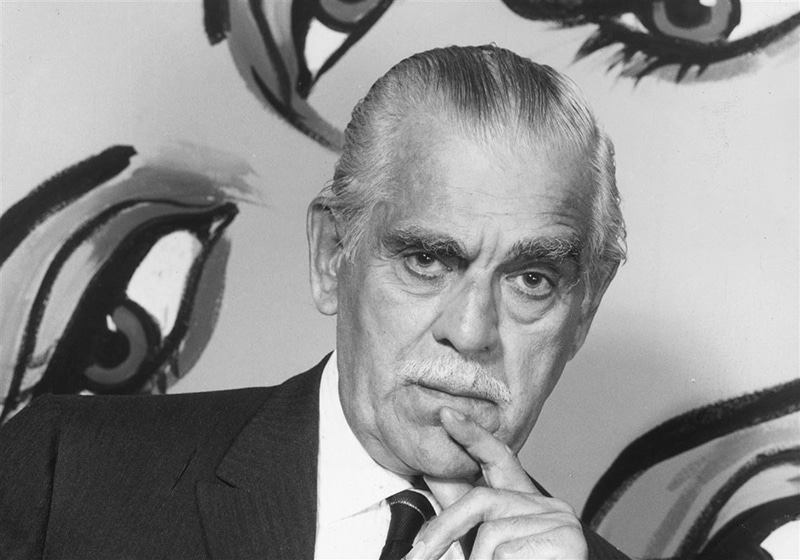
Karloff, Boris (actor) British (born: 1887, died: 1969). Not only did Karloff personify Frankenstein’s monster but also Universal Horror itself via his many (contracted) roles in films from The Old Dark House to The Climax. Karloff’s erudite manner and iconic features made for a riveting presence on the big screen; his stature and delivery enabled him to be as fiercely imposing as he could be strangely gentile. One of the true faces and voices of horror.
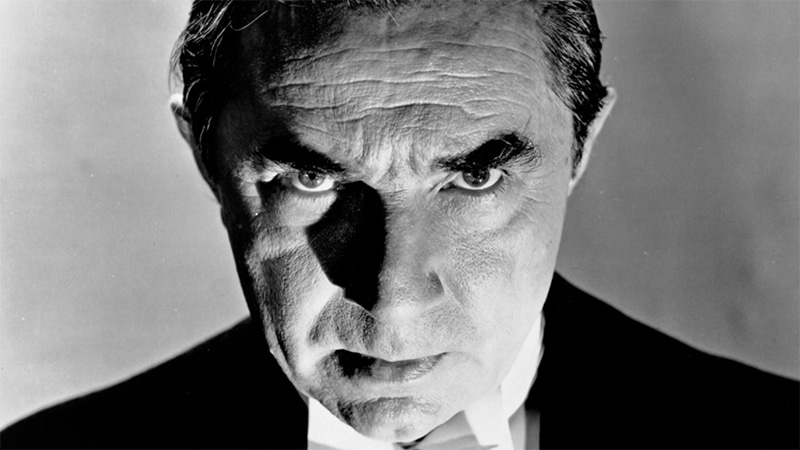
Lugosi, Bela (actor) Romanian (born: 1882, died: 1956). When we think of cinematic versions of Dracula, there are none as defining as Lugosi and Christopher Lee’s incarnations. Where Lee’s Count was a colorfully seductive and definitive Hammer horror rendition, Lugosi’s was accentuated by his Eastern European origins. Resistance to makeup limited his roles (and performances) over the years and only contributed further to stereotyping as an actor, literally right up to him becoming a parody of himself for Ed Wood’s Plan 9 from Outer Space, in which he died during production.
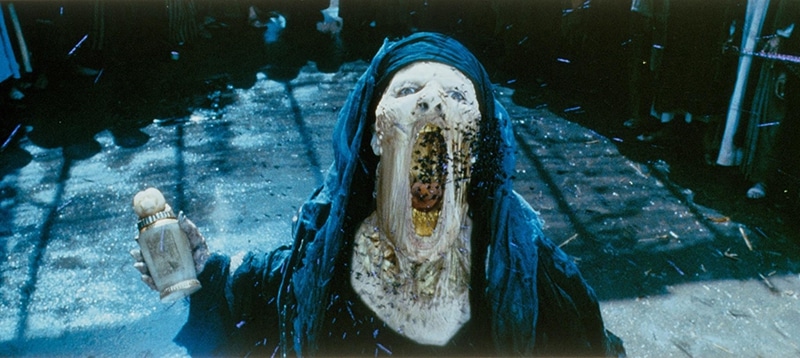
The Mummy (film) US (1999). Karl Freund’s original from 1932 starred Boris Karloff once more in ghoulish form with its plot of an undead “foreigner” assimilated into society somewhat parallel to Dracula. Cue the theatricalities of (white) men in discussion and damsels in distress saved from an ancient evil. There are still similarities between the original and Stephen Sommer’s update ― significantly the main villain, Imhotep (Arnold Vosloo), along with some plot points, even the odd line or two. But Sommer replaces the one-dimensional damsels of the period with Rachel Weisz’s gutsy Evy Carnahan, for the better. Ultimately, the reimagining is a fun slice of entry-level horror, with Brendan Fraser (as Rick O’Connell) riding the Indiana Jones action-adventure model that paved the way for a mixed bag of sequels and other 21st-century tributes to the Universal Monsters’ legacy. These included Van Helsing, The Wolfman, Dracula Untold, and Tom Cruise’s failed reboot in 2017 ― which was to mark the beginning of Universal Pictures’ “Dark Universe,” pitched as their version of the MCU; “M” for “Monster”, obviously.
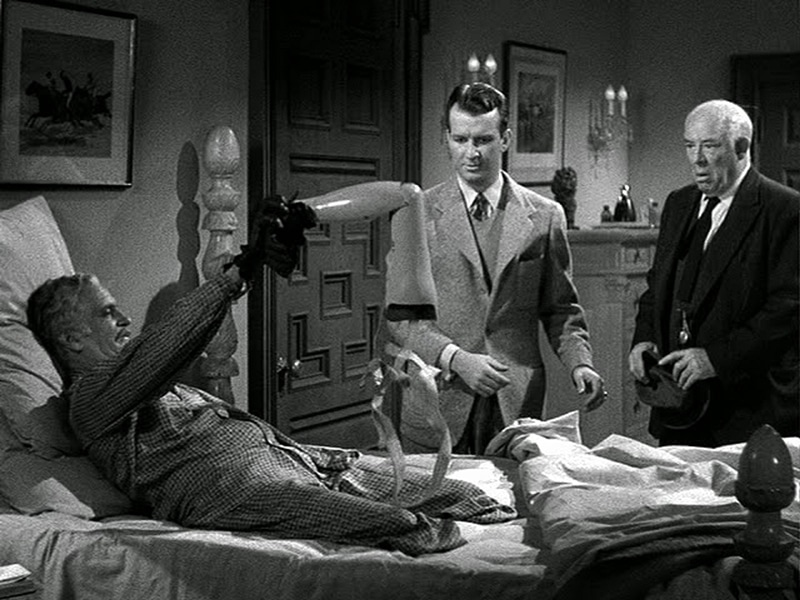
Night Monster (film) US (1942). Dark and brooding characters are presented as one of Universal Pictures’ cut-and-paste jobs, borrowing sets from The Wolf Man, and The Ghost of Frankenstein. A lurking atmosphere presents the usual gothic tropes; castle, foggy moors, and suffocating shadows projected on the walls. Stars billed to attract an audience; Universal stalwarts Bela Lugosi and Lionel Atwell lend nothing much to the film but glorified cameos. Playing as a locked room mystery, much like Rebecca the year before, this is more of another old dark house mystery. Speaking of which…

The Old Dark House (film) US (1932). Although the haunt at the center of this tale is not your conventional ghost ― what remains in the land of the living is a much creepier premise ― James Whale’s adaptation of J.B. Priestley’s 1927 novel remains one of the most influential haunted house movies ever made. The film helped lay the blueprint of tropes we associate with these stories, such as remote locations, isolated groups, ominous sounds, choking atmosphere, and mysterious inhabitants who hide dark secrets. A prime example of pre-Code Hollywood fare, The Old Dark House also pushed what was acceptable in cinema at the time with its mix of black humor and taboo subject matter often associated with Whale’s filmmaking.
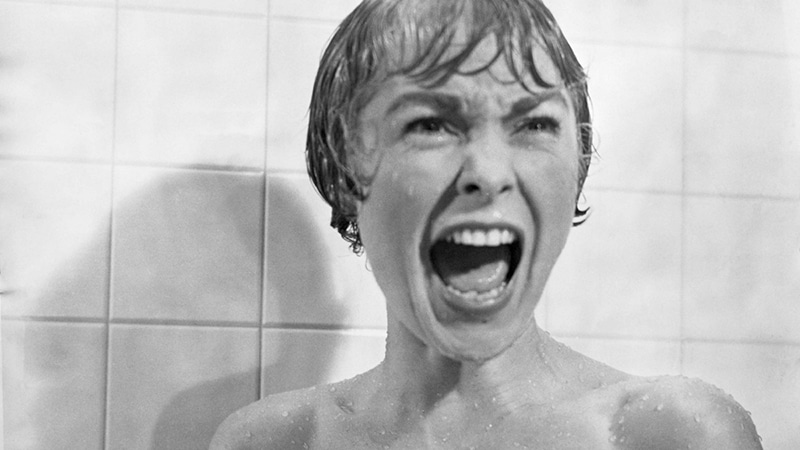
Psycho (film) US (1960). There were the horror films before Hitchcock’s classic, and there were the horror films after. Through the eyes of the “Master of Suspense,” Psycho works just as well as a thriller, but there is no mistaking its tone and (unforgettable) moments of horror from the shower scene to the final reveal. When it comes to the slasher, along with Michael Powell’s infamous Peeping Tom (released four months earlier in the UK), the influences are unmistakable, delivering a seminal slice of film history.
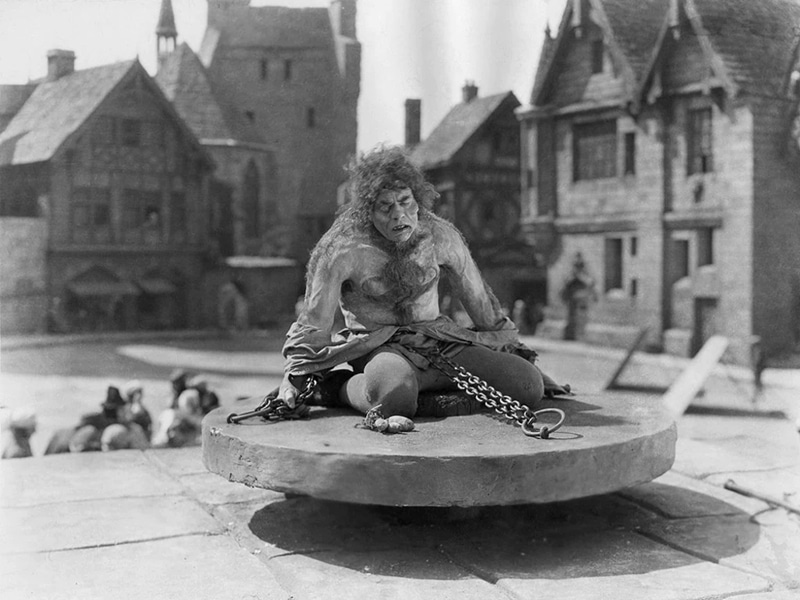
Quasimodo (character) France (1831). While we often think of Charles Laughton’s outstanding performance under the brilliant makeup effects of Jack pierce in RKO’s The Hunchback of Notre Dame, it is Lon Chaney who set a very high benchmark 16 years previously in Universal Pictures’ 1923 version; the role of Quasimodo elevating him as a superstar of Hollywood. A stickler for detail, the “man of a thousand faces,” interviewed people who suffered from various physical deformities and when the final results of his masterful makeup were seen on the screen, audiences believed that was the actor’s appearance. The result may have been convincing, but his extreme approach to his art during the production caused him vision loss and physical pain for the rest of his life.
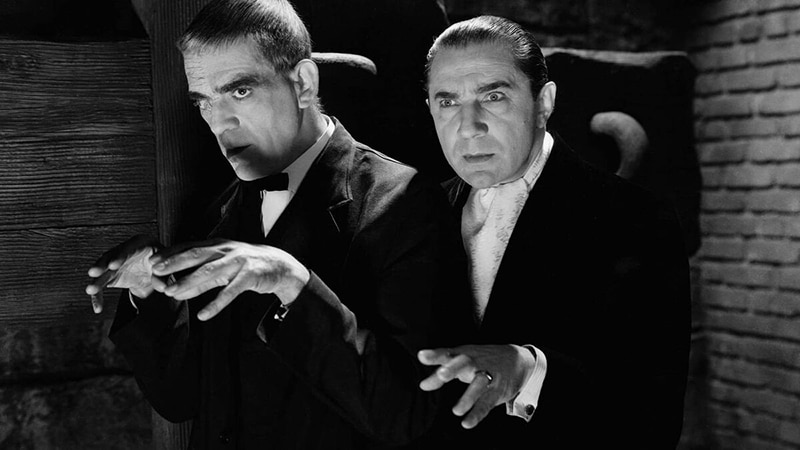
The Raven (film) US (1935). The first of six collaborations between Lugosi and Karloff is also the last entry in Universal Pictures’ Edgar Allan Poe trilogy following Murders in the Rue Morgue and The Black Cat. An oddity of Poe-inspired curiosities ― torture dungeon kitted out with a pit and pendulum ― it bears little resemblance to the classic poem from 1885 other than Lugosi’s recital early on in the film.
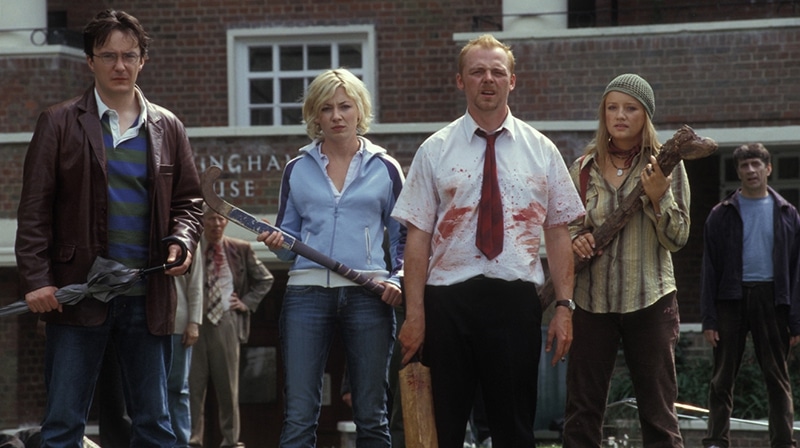
Shaun of the Dead (film) US (2004). Edgar Wright’s first in the “Cornetto Trilogy” is one of those rare examples of when a horror comedy works and has rarely been equaled since. Co-written with Simon Pegg, this love letter to zombie movies remains distinctly British, which is a huge part of its character and relatable nature; not only for Brits but the ordinary hero in us all who needs to survive the zombie apocalypse.
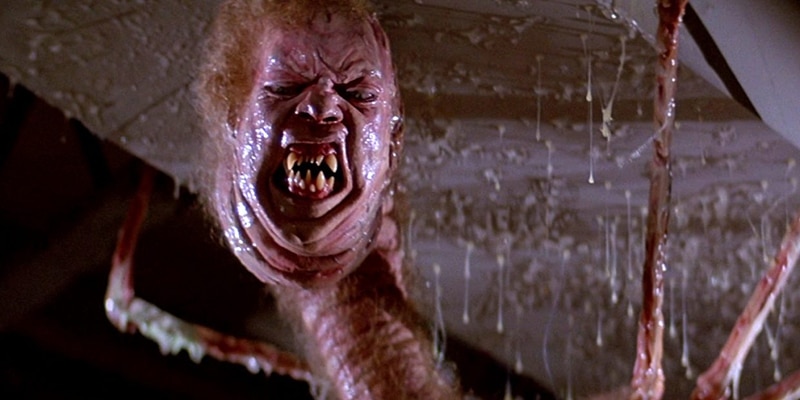
The Thing (film) US (1982). John Carpenter’s cult classic literally reshapes horror and science fiction into a masterpiece of suspense, high tension, and paranoia. As with Rick Baker’s work on An American Werewolf in London the year before, Rob Bottin brought his A-game in terms of special makeup effects that still set the benchmark 40 years later. Other than Ridley Scott’s Alien, you would be hard-pressed to find a better (or equal) sci-fi horror, one that seems even more prevalent today based on what has been happening over the past few years. For a deep-dive, check out Kill It With Fire! John Carpenter’s THE THING At 40.
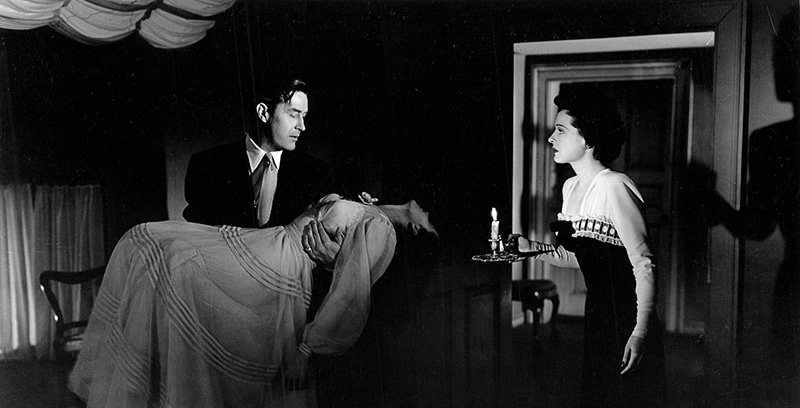
The Uninvited (film) US (1944). Acquired by MCA/Universal in 1958, this whimsical little horror was originally a Paramount production. Aside from its charm ― Ray Milland on fine form ― director Lewis Allen provides some genuinely chilling moments in the shape of an impressive apparition. For further writing on the film’s influence, check out Ghosts of Suburbia: POLTERGEIST At 40.
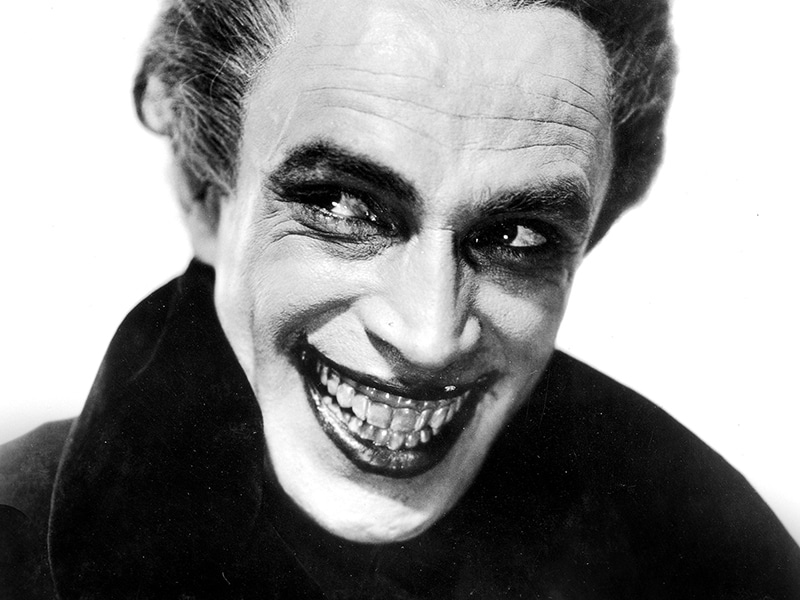
Veidt, Conrad (actor) German (born: 1893, died: 1943). With such seminal roles as the ghoulish somnambulist Cesare in The Cabinet of Dr. Caligari and the title character in The Hands of Orlac, it was no surprise that actor Conrad Veidt would continue to define the faces of horror. Becoming a major link between the German Expressionist films and the Universal classics, his role as the rictus-grinning Gwynplaine remains one of the most influential characters in the history of horror. The iconic makeup effects, created by Jack Pierce (uncredited at the time), inspired the Joker 12 years later when he debuted in Batman issue #1 (Spring 1940). Elements of Veidt’s silent and pained performance can also be seen in Joaquin Phoenix’s portrayal of the eponymous villain in Todd Phillips’ Joker.
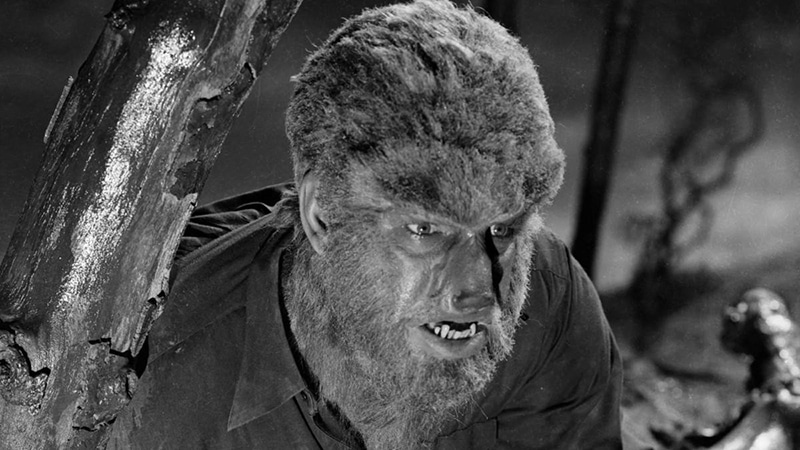
The Wolfman (film) US (2011). Joe Johnston’s remake of The Wolf Man takes the original premise of George Waggner’s film, tapping into Curt Siodmak’s modern mythology and bringing it to life through a blend of CGI and a Rick Baker makeover. Instead of a rather passive relationship between the father (Claude Rains) and son (Lon Chaney Jr.) in the ’41 version, here it becomes a fierce and bloody alpha battle. Check out Under A Swastika Moon: 80 Years Of THE WOLF MAN on Universal’s original, definitive classic.

X Factor of horror. Universal Pictures’ formula helped redefine the lore and define the genre during the Golden Age of cinema. From the Classic Monsters to psychos, shark attacks, American werewolves, and Black Noire, the studio has continued to hit gold over the years. Whether reimagining franchises for the big screen or repackaging for other platforms and merch (official board game Horrified (2020) comes highly recommended), the studio’s output is a noteworthy addition to cinema history and, while universally appreciated, more than lives up to the name.
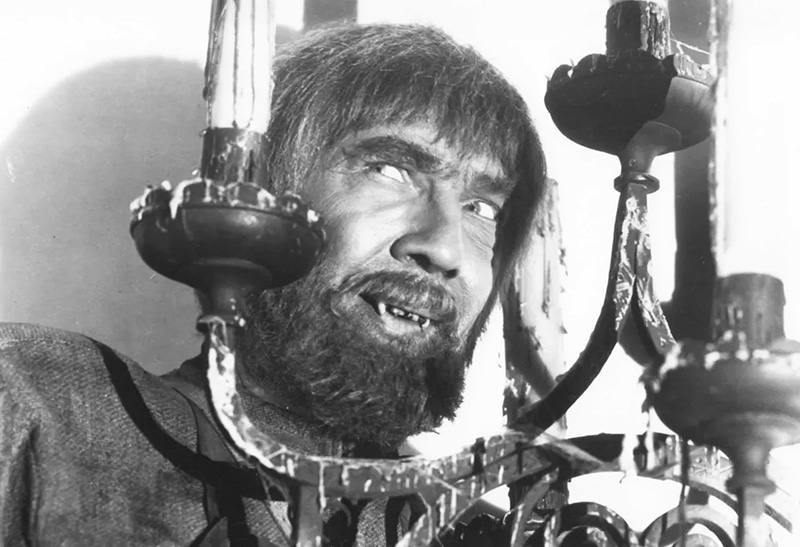
Ygor (character) US (1939). An early incarnation of the hunchbacked lab assistant, Fritz ― played by Dwight Frye in the first film of the series ― originates from the 1823 stage adaptation, Presumption; or, the Fate of Frankenstein. In another Lugosi/Karloff collaboration Son of Frankenstein ― this time directed by Rowland V. Lee and the third and final of Karloff’s performance as the monster ― the character evolved further into a cross between Quasimodo and the Wolf Man. Here, Ygor (a variation of “Igor”) is a tortured and broken genius ― his vile jarred neck the result of surviving a hanging ― but is not the simpering assistant you would expect. He is completely in control of The Monster. Lugosi would go on to play the character again in The Ghost of Frankenstein, directed by Erie C. Kenton.
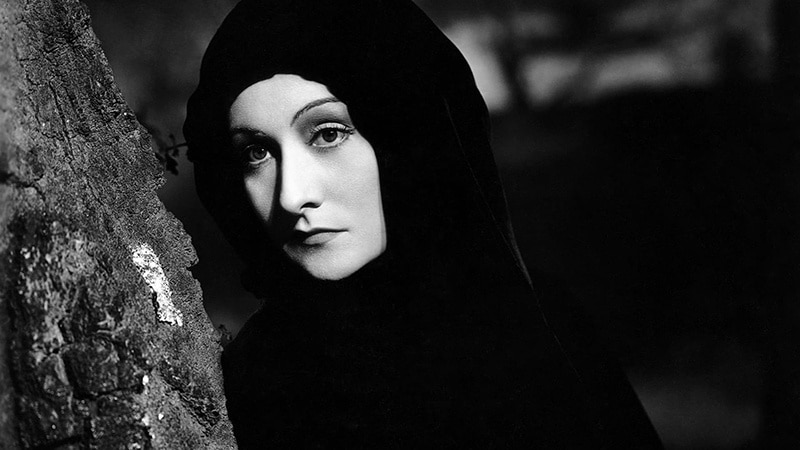
Zaleska (character) US (1936). In the sequel to Tod Browning’s Dracula, Lambert Hillyer’s Dracula’s Daughter introduces us to Countess Marya Zaleska, played by Gloria Holden. The film is loosely based on an excised chapter, “Dracula’s Guest,” from Bram Stoker’s original novel and Joseph Sheridan le Fanu’s earlier Gothic novella Carmilla. The latter is considered the first published British work of fiction to deal with lesbian relationships, lending further context to the queer undertones as Zaleska preys on young women.
