Last Updated on May 13, 2026 by Kimberly Leszak
I know exactly where I was the very first time I spotted Divine. It was at a West Coast Video in southeastern Pennsylvania, where a very uninformed or perhaps just cheeky clerk had placed a VHS on the wire rack second from the floor, eye-level with my innocent little gaze. Peering into my soul from the cardboard slip was the most beautiful human I had ever seen. Flanked by two plastic lawn flamingoes and wearing a red wiggle dress, she was caked in frosted blue eyeshadow and pointing a pistol at me. After throwing a minor tantrum, I was allowed to rent the tape under the sole condition that I would not watch it. I agreed; I was satisfied to ogle the box. My dad loved gunslingers, my mom loved all things flamingo, and it turns out that combination helped me discover I love drag queens.
And that’s the story of how Pink Flamingos was not the first John Waters film I ever watched, but could have been. Only a year later, in that same West Coast Video, I would unknowingly take home another Waters film that I was allowed to hit play on. Serial Mom – who could argue this isn’t a family comedy? That was the last time I could confidently say, “The only cereal I know is Rice Krispies.” By then I was allowed to watch National Lampoon's films and Beavis and Butthead, plus I’d been caught redhanded watching Silence of the Lambs. And Serial Mom is a wholesome tale of a mother’s love for tradition and family – and the madness that sometimes accompanies these values. (Bonus: It is also where I fell in love with Matthew Lillard.)

What John Waters did, probably more intentionally than any grossed-out passerby realizes, was establish the law of camp as resistance, making shock a type of microaggression against the monotony of middle class suburbia and the censorship it ritually upholds. Across his 60-year career, there are no other films that successfully look like, sound like, or resonate like his either. They exist on their own planet, one suspended in a bizarro atomic age, draped in kitsch, and called Baltimore. For the shitkickers, the thieves, those who dream of fame, the fetishists, and the egg ladies, and anyone else who just hates the Supreme Court, we have all found a home in a queerer galaxy fueled by filth.
My most beloved of Waters’ work, 1977’s Desperate Living, is an antifascist fairytale that gets closer to reality with each passing decade, where the often discreet (but undeniable) prurience of the bourgeoisie is unearthed for the world to see. The government wants to punish you with infectious diseases, the ruling class sustains itself on the misery of its people, and the only way out is to eat the rich. All of this probably sounds at least vaguely familiar in modern times. I challenge you to listen to any line from the lips of the incompetent despot of the film, Queen Carlotta (Edith Massey) without hearing the voice of a certain real estate failure turned reality star failure turned political failure. You can’t.
Two more titles that top my most-watched of his films jab at Waters own medium and sensibilities: Cecil B. Demented and Female Trouble. Themes of violence for the sake of art, hedonism, and the dream of a reviled community who will uphold your rights to self-endangerment drive both stories. “Who wants to be famous? Who wants to die for art?” shouts Divine’s Dawn Davenport in Female Trouble, but what is the real risk of dying for art or even just for fame if the alternative is fizzling out via death in obscurity?

Female Trouble satirizes a tiny window of performance art in the prominent avant garde scene of the 1970s that married danger with intellectual liberty by using one’s own body as a medium. Cecil B. Demented mocks the wanton madness of guerilla filmmaking and the cult-like bond that develops in its pursuit. Are there life lessons in these films? Sure. It’s ill-advised to become a criminal when your family won’t buy you cha-cha heels for Christmas or stands in the way of your pursuit of filthy filmmaking, but you’re an adult now and who am I to stop you? I have tattoos of Edith Massey in a birdcage with a hook for a hand and Maggie Gyllenhaal carrying makeup brushes and goblet of goat urine, and I am not, for the record, a certified life coach.
There are also close-to-home, wholesome reasons I love John Waters. He’s a kind, whip smart showman, who made a career out of shooting regional films about his hometown with his friends. What’s not to like? And I’m from a suburb of Philadelphia called Delaware County or, colloquially, “Delco.” If you spend much time on Instagram Reels or have watched fellow Delco native Tina Fey on SNL mocking Eagles fans enough over the years, you know we have a particular accent. Although it’s not exact, it’s quite close to a Baltimorean drawl and Waters’ band of merry miscreants (dubbed Dreamlanders in his early films) and Waters himself drip with it. If the greater Philadelphia region could relate to anyone, it should be Baltimore, but most of us are far too stubborn in our individualism to admit it. But the mid-Atlantic region of the United States has collectively carved out its own flavor of weird, like the lopsided star atop the rural Christmas tree that is Appalachia – city kids who are defiantly unsophisticated while maintaining an ironic intellectualism, and John Waters is our patron saint.
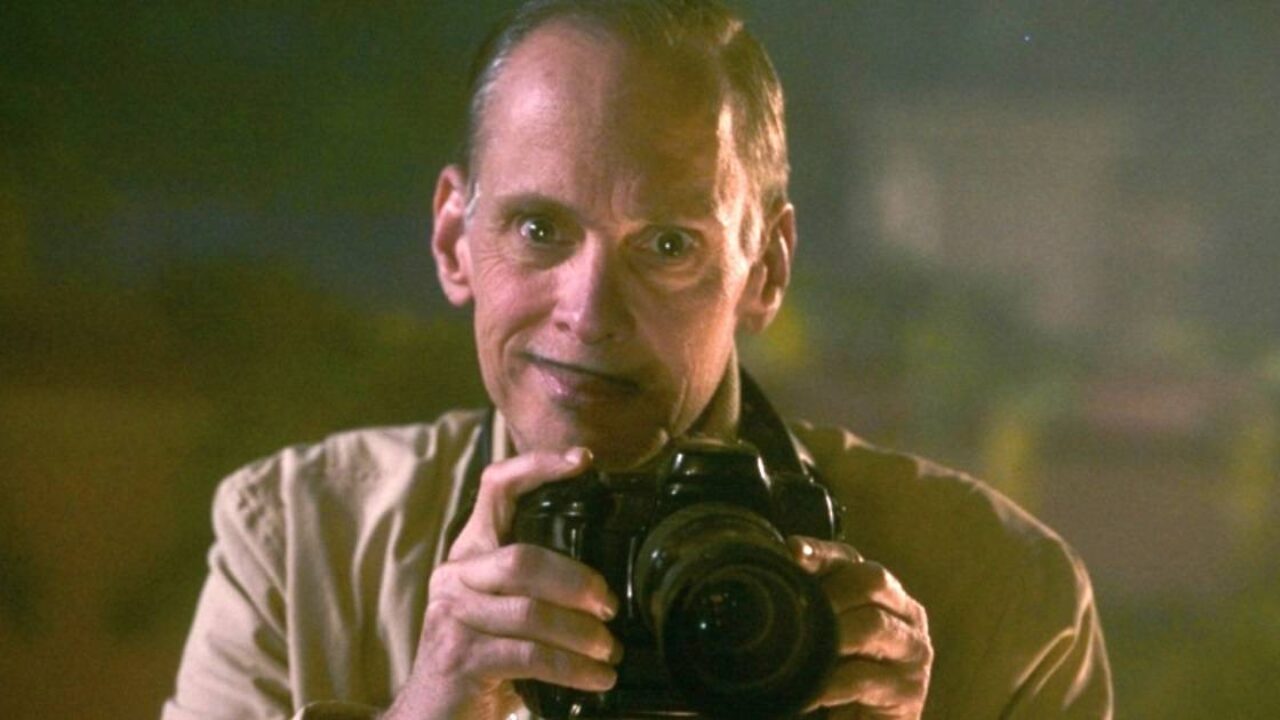
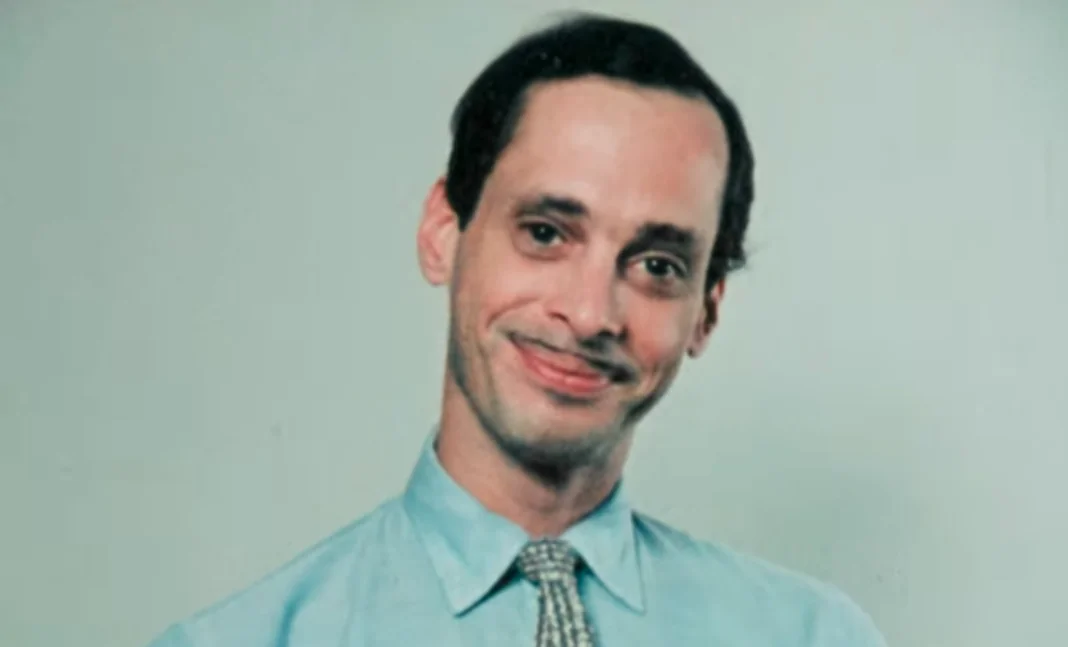
“Filth is my politics! Filth is my life!” may be hyperbolic in real life, but my love of Waters’ work led me to places people wouldn’t expect. In my teens, he taught me about the poetry of Pasolini and how to digest heavily violent films from Lars Von Trier and Michael Haneke with a new lens. My first assignment at FANGORIA was a John Waters phone interview. I had spoken to him many times over the years at events as a fan, but when he answered my call with his unmistakable voice, I was so hopped up on endorphins, I bit my tongue. I literally bit it. He hasn’t made a film since A Dirty Shame in 2004, but continues to spread his gospel via live performances and various onscreen cameos including Seed of Chucky, Excision, the Chucky TV series, and the upcoming season of American Horror Story. From what we’ve heard while catching him on the road, there’s hope that something new is in the works. I hope this letter leads you to attend one of his live shows, watch one of his films, or read one of his books, either for the first time or as a revisit with an old friend. Happy birthday, John Waters. Fango loves you so much.