
Last Updated on December 18, 2025 by Angel Melanson
Building a shared universe requires a lot of attention to detail. The show bibles (the guiding light for the writers rooms charged with taking on the respective show) need to be rich with critical lore details, connective tissue explainers and a way to understand hard canon points (unchangeable details) and soft canon points (previously held facts that can stretch a little). In the process of understanding all of that, the writers are then responsible for internalizing it all without making their story references too hamfisted or otherwise on the nose. IT: Welcome to Derry doesn’t entirely succeed in that regard. However, it does end up delivering a passable expansion of this current corner of King canon.
Well before Marvel adopted the “it’s all connected” slogan, Stephen King was churning out book after book tied to one another in his own complex web of stories. Now that we’re on the other side of Andy and Barbara Muschietti’s most recent addition to Derry’s blood-spattered history, we know more than ever about the events that led to Pennywise the Clown’s ultimate demise in 2016’s film canon. Of course, whether or not those details were necessary will vary from person to person. But when it comes to IT: Welcome to Derry and any other universe-expanding series like it, the question becomes less about whether or not the added details were necessary and more about if the series is enriching the experience or just adding noise. Broadly speaking, the HBO show is doing both.
The IT: Welcome to Derry finale ultimately ended up as a hodgepodge of good and bad. It was always going to have a lot of call backs (ups?) to Chapter 1 and Chapter 2, but where organic connections like involving the Hanlon family that integrate into the story with ease, while things like a late-stage Pennywise monologue revealing someone will eventually end up with the last name Tozier and have a son that will kill him ends up being a lot.
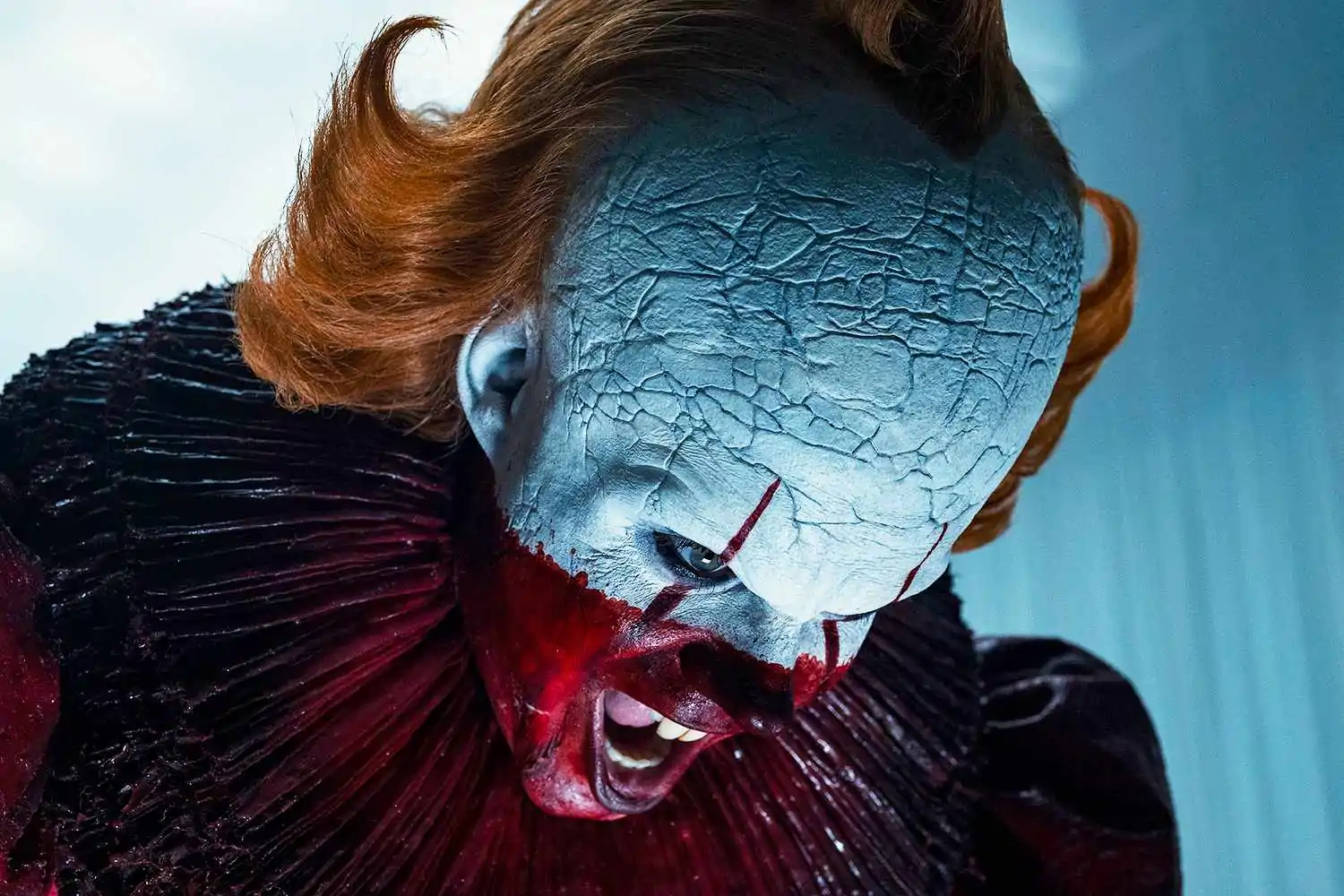
Similarly, the decision to have Pennywise take over all of Derry as a precursor to his escape is overblown and ultimately makes the story feel smaller. There’s almost logic to the decision — perhaps Pennywise (Bill Skarsgård) needs to stock up on food for his travels — but there’s a big wide world outside of Derry, Maine that the entity is very much aware of. Muddled story logic aside, the greatest issue here is that by changing the scope of Pennywise’s torment from five kids and their families to all of Derry, the clown almost immediately feels both less interesting and less intimidating.

We might all love to laugh at a man too stupid to be afraid, but General Shaw (James Remar) staring down Pennywise and telling him that he’s free with the whole-hearted belief that he’s both done the clown a favor and saved the world by Making America Afraid Again™ really drives home how small this moment feels in actuality vs. its intent. Pennywise, in turn, could have made it out of Dodge with no issue had he just left well enough alone and run when the General told him to, but that’s where IT: Welcome to Derry really falls into the prequel trap. Of course we all know this cosmic entity isn’t making it out of town. He can’t! But the story’s job is to make that fact not matter, and a better script would have done so successfully.

The show shines the brightest around Chris Chalk’s Dick Hallorann. Chalk himself has described his performance as him having the opportunity to add depth and complexity to an already beloved character, and that’s exactly what’s achieved here. The younger version of Dick portrayed in Derry is far from the man that we meet at the Overlook Hotel, and he’s all the better for it. He’s messy, lost, frightened, and fully ready to end it all when we catch up with him in the finale. But he chooses to push forward scared anyway, closing out this chapter of his story with gleaming success.
It’s unfortunate that narrative success does not expand to the arcs of any of the children. Young Will (Blake Cameron James) does the best with the story he’s provided but, given that he’s the immediate IT legacy, he has more to work with than any of the other kids. The rest of the survivors all feel like they’re only there because the Muschiettis know that a young adult arc is essential to the story, with poor Lilly Bainbridge (Clara Stack) being saddled with the most cloying dialogue and whiny disposition and Marge (Matilda Lawler) and Ronnie (Amanda Christine) barely being more than caricatures themselves. Arian S. Cartaya’s Rick did, of course, deliver a tear-jerker of a performance in previous episodes, but his participation in the story as a whole is woefully brief.
Thankfully, the shoddy effects of the premiere seem to have been relegated there. Where the demon baby of the pilot was glossy and poorly rendered, the rest of the effects have stood up throughout the show and looked solid during the finale’s several set pieces. There was an overwhelming amount of grey in the last thirty minutes of the episode, but the story logic was understandable enough to warrant a pass on all of the grayscale.
IT: Welcome to Derry ends up being a mixed bag in the end. If they’re going to continue the series expansions of this universe, it’s unfortunate that the most interesting option — Hollerann — is likely off-limits due to The Shining having its own recent enough canon addition with Doctor Sleep. Instead, the finale implies that we’ll see more time jumps focusing on Pennywise’s continued torture of Derry residents by way of the final conversation between Marge and Lilly and with the obnoxious final time jump that gives an unnecessary first meeting to two characters that will each ruin the other’s lives in their own way much later in the story. Still, there was enough to like this season that, should it happen, the next chapter in this saga will be worth checking out. I do hope they develop the story a little better though, regardless of the characters they decide to center on.