

For the past decade, the filmmaking industry has been infatuated with legacy sequels. While there were earlier prominent outliers, such as 2010’s Tron: Legacy, it was 2015 that truly launched the notion of the legacy sequel as not only a worthwhile artistic venture but also a bankable commodity into the stratosphere, with notable entries such as Jurassic World, Star Wars: The Force Awakens, and Creed all releasing within months of each other.
These films saw established franchises bring back iconic characters, locations, and even plot points from earlier in their runs to overtly mine nostalgia from the audiences’ collective memories, and utilize that goodwill to help establish a new set of characters, stories, and potential sequels.
These legacy sequels almost always revolve around a young new central character or group of characters getting wrapped up amid an already in-progress multi-generational story and receiving guidance of some kind from a returning “legacy” character from an earlier film in the franchise. In terms of their artistic merit, this type of story structure invariably invites themes that explore the relationship between these generations of characters and stories, as well as the ways in which the evils at their center persist from one to the next.
At their best, legacy sequels aren’t just about attempting to crank up an old car’s engine and slap a fresh set of paint on it; they are stories about storytelling, and an examination of why humanity continues to tell and retell itself these tales.

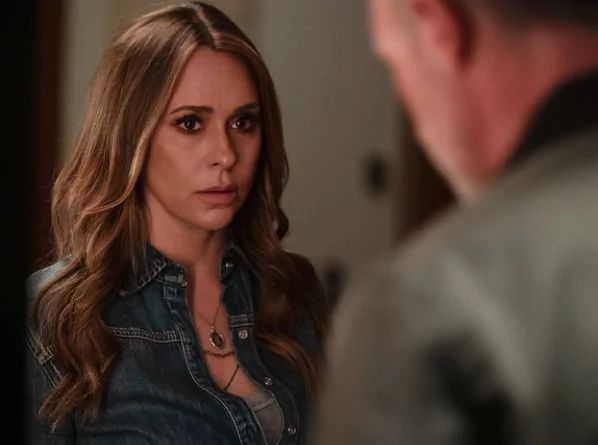
In this new age of the legacy sequel, the first horror movie to well-and-truly reach massive success with the established formula was David Gordon Green’s Halloween in 2018, which brought back original franchise scream queen Jamie Lee Curtis as Laurie Strode and explored how the events of the original 1978 film had not only effected her life, but also the lives of those around her.

Since that film went on to become the most successful entry in the franchise, it inspired countless other classic horror franchises to follow suit. The results have been decidedly varied, with some managing to carve out their own path to success, while others ultimately only felt derivative of their originals. In a short period, the pop-cultural nostalgia cycle accelerated from the late 1970s to the mid-1990s, with the latest horror franchise to receive a legacy sequel being I Know What You Did Last Summer.
However, 2018 was far from the first time the horror genre saw a legacy sequel break into the mainstream. In fact, while the term had not yet been coined, horror has specialized in legacy sequels for decades, to the point that the genre continues to serve as an indispensable blueprint for modern franchise legacy sequels of all kinds, whether they realize it or not.
One could argue that horror legacy sequels go all the way back to the early ‘30s, with films such as Fritz Lang’s The Testament of Dr. Mabuse (a legacy sequel of sorts to Lang’s own Dr. Mabuse the Gambler from a decade prior) or Rowland V. Lee’s Son of Frankenstein (a film set decades after Whale’s original two films that explicitly deals with a new generation grappling with the sins of the past). However, if one were looking for a more structurally exact replica of the modern legacy sequel formula, the horror genre still predates the rest of the entertainment industry by several decades.
Richard Franklin’s Psycho II, released in 1983, is a legacy sequel, through and through. It sees the return of several key actors to their iconic roles decades later (Anthony Perkins as Norman Bates and Vera Miles as Lila Crane), it takes audiences back to adoringly faithful reproductions of iconic locations (the Bates Motel), and sees the events of the past directly influencing an entirely new generation of characters in the present. Beyond these surface-level structural similarities, Psycho II is also thematically in tune with the very best legacy sequels of today, in that it serves as a meaningful exploration of Hitchcock’s original film and the legacy it left behind through a postmortem lens.
A few years later, late ‘80s sequels such as James Cameron’s Aliens and Chuck Russell’s A Nightmare on Elm Street 3: Dream Warriors would push even further into legacy sequel territory, and establish an even firmer template for later films to follow. Each of these sequels picks up several years after their original entries, and reintroduces each franchise’s central protagonist as a very different kind of character than the one that audiences last saw.


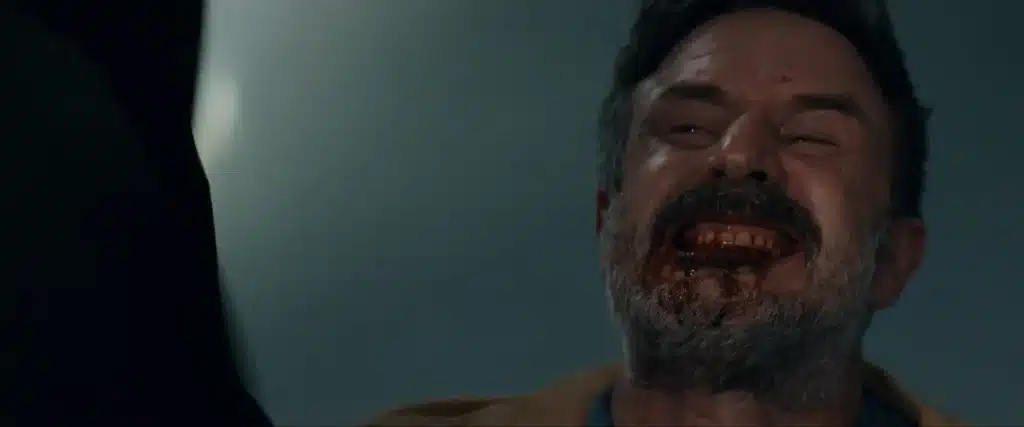
Fascinatingly, though, the core idea behind the legacy sequel components found in Aliens and Dream Warriors goes back even further. In fact, the very tropes of the horror genre themselves planted the seed for what audiences would come to know as the legacy sequel, given the unique combination of the “final girl” trope and the need for exposition. For example, take early slasher sequels such as Steve Miner’s Friday the 13th Part II, which brings back the protagonist from the first film.

While this film kills off the aforementioned protagonist in the first few minutes of screen time, you can practically see the idea blossoming before your very eyes. Horror sequels often feature a surviving character from the previous entry and require a way to provide exposition to the new set of characters encountering this evil, so that they understand what they are up against and can take an active role in the story.
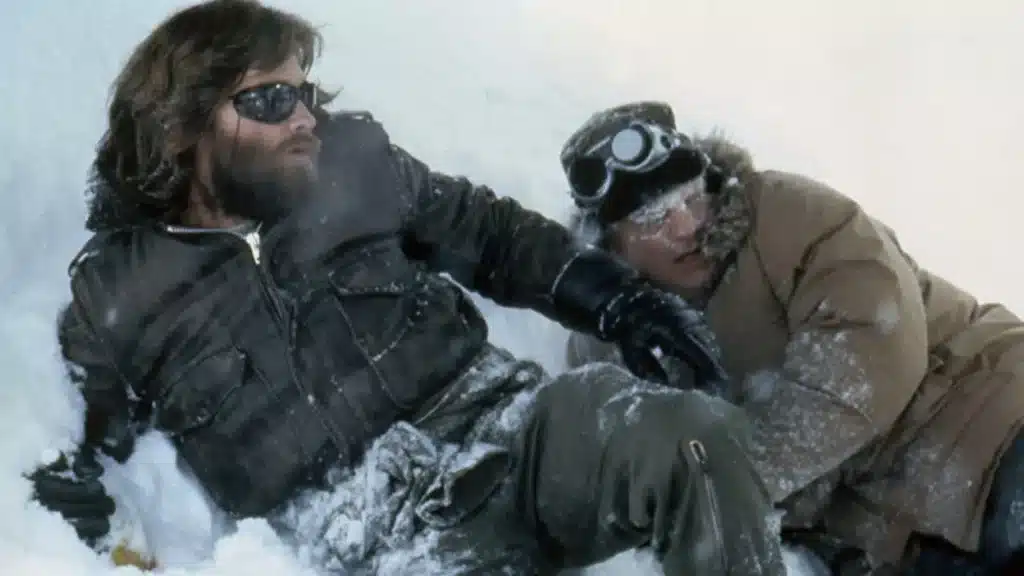
An early, innovative, and subversive take on this idea came in the form of John Carpenter’s The Thing in 1982. An adaptation of John W. Campbell’s novella Who Goes There? and a remake of sorts of Christian Nyby’s The Thing from Another World from 1951, Carpenter’s follow-up takes an unprecedented and unique approach to engaging in conversation with its source materials.
In the film, the crew of Outpost 31 discovers a destroyed Norwegian outpost, full of corpses and film footage. When they return to their base with the footage, it is presented in stark black and white, featuring several shots staged in a remarkably similar fashion to Nyby’s 1951 black-and-white film. As a result, while the Norwegian base may not literally be the base from the original film within its narrative, it is metaphorically equivalent to that original base within The Thing’s themes.
Whereas The Thing from Another World ends on the cautiously hopeful note of most of the crew surviving and getting word out to the rest of the world to “keep watching the skies” for further otherworldly threats, in setting up this idea, Carpenter’s Thing strengthens its blistering statement about how history repeats itself and humanity is doomed to ignore the warning signs.
While the idea of a legacy sequel has perhaps become oversaturated in the current film landscape, it's critical to note not only how horror played a crucial role in originating the format of the legacy sequel, but also how it remains an entirely viable artistic choice. Horror has long been a genre about a new generation of characters coming up against some ancient evil, the most fascinating of which has always been an evil that is a direct result of the sins of the previous generation.
With legacy sequels, filmmakers can take characters and tales that audiences are already familiar with and add critical new context to them, while simultaneously repackaging the entire franchise for a new generation. At their best, legacy sequels have the ability to encapsulate intergenerational horrors in striking fashion and enrich their originals in the process.