As Fango’s fearless leader Phil Nobile Jr. pointed out in this week’s Monstrous Musings, horror is so hot right now. Granted, if you’re reading FANGORIA, horror has always been hot, but mainstream normies are starting to listen to the gospel that all of us have dedicated our lives to preaching. This week at the Blumhouse Atomic “Business of Fear” event, the House that Blum Built provided us with some hard numbers to back it up. The event’s moderator, Ray Subers, Executive Vice President and Head of Film at the National Research Group, identified that much of the genre’s incredible box office success in 2026 was fueled by Gen Z.
Horror has always been popular with younger audiences, but as theaters still recover from the pandemic's quarantine era, which changed how many people consume media (see: at home on streaming), Gen Z is turning out in droves to theaters. “50% of Gen Z prefer watching horror movies in theaters,” he said, when given the option to prefer watching in theaters, watching at home, or not like it at all. “That's a huge number, and it over-indexes relative to other audiences and other genres.”
As it turns out, in the critical 18-24 demo, horror was named as their favorite genre, over-indexing by 14+% compared to other genres like comedy, action, and sci-fi. Jason Blum added anecdotal evidence to the hard numbers, explaining that during his frequent visits to film schools, he’s also noticed a shift in the taste of future filmmakers.
“20 years ago, if you took the 50 graduates of a film school, you'd say, ‘How many of you want to make horror movies?’ You'd see 10 hands go up, maybe 20%. And now, you see 80% when young people who are learning to make movies are desperate to make horror, which is so interesting and so different than how it used to be.”
Countless filmmakers have spoken over the years about film school professors looking down on the genre as a “lesser” career path, and while academic studies on the genre have always existed, there is still a bit of a snobbish stain associated with horror by those who still see it as nothing but “flesh and fluids.” But that stain has been lifting significantly.
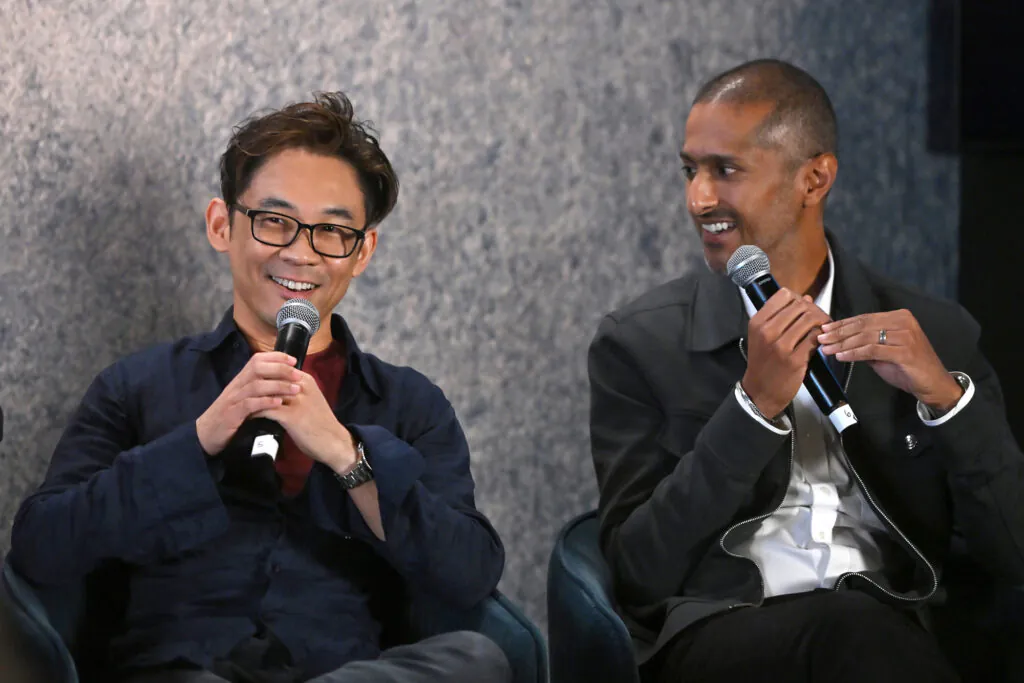
Gen Z is identified as those born between 1997 and 2012, so it’s not inaccurate to say that this is a generation that has never consciously existed in a world where the horror genre wasn’t shaped by James Wan. After he and Leigh Whannell completely shifted the direction of horror after Saw in 2004 (meaning, when the oldest members of Gen Z were only seven years old). Wan undoubtedly shaped the horror genre Gen Z audiences grew up with through Saw, Insidious, and The Conjuring universe, and he rightfully recognized that horror has always been popular and a pathway for filmmakers to break into the industry—himself included.
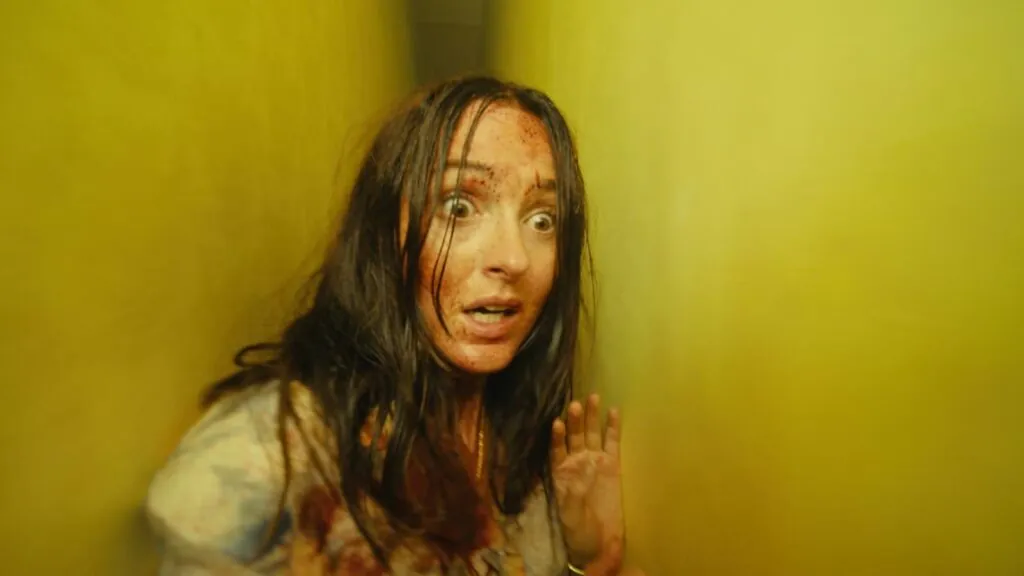
“I do think the reason why there has been a massive explosion in recent years is that it does not have the same kind of stigma with the younger generation as it did back in the day,” Wan explains. “Horror has crossed over from the black sheep of the household, the bastard step-sibling, and has crossed over into the mainstream in a big way.” Wan credited the younger generation with accepting the genre and not being snooty about it.
“In the past, when I was doing Saw, people looked down on it, and it would only be a certain demographic that would come out and support the films that we made,” he said. “But today, it is cool and hip to be making horror films.”
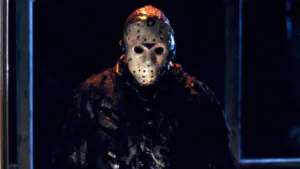
And we’ve seen that explosion through emerging, original voices like Kane Parsons (Backrooms), Curry Barker (Obsession), and Alexander Ullom (It Ends). But in the last few weeks, the virtual horror water cooler has been talking about the announcement of the newest film in the Friday the 13th franchise, a streamlined direction for the reboot of A Nightmare on Elm Street, and the announcement of Mike P. Nelson as director of the next Saw film.
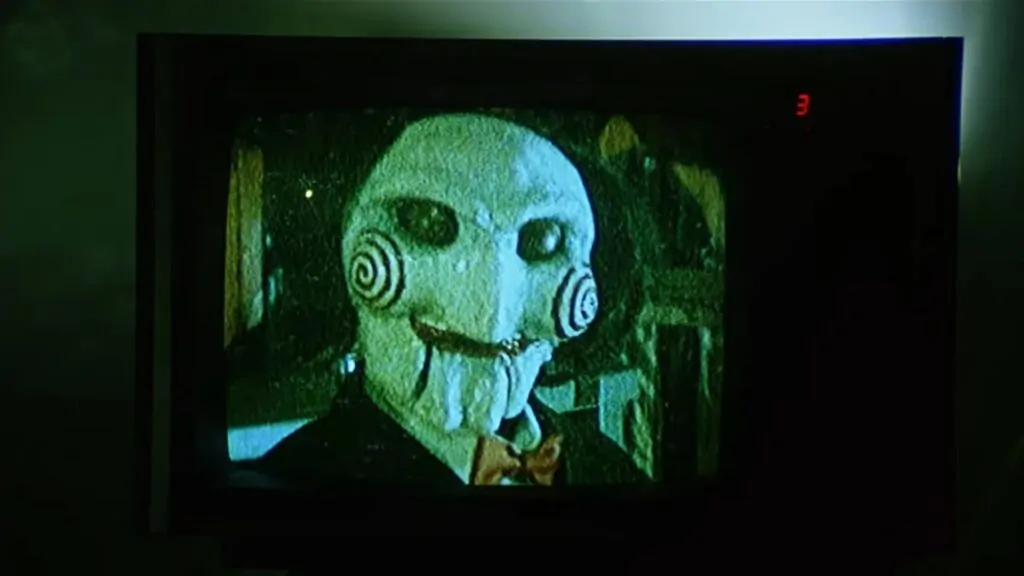
This is not to critique anyone involved with any of these projects (y’all know I’ll be there opening night), but it’s puzzling that the data clearly supports that Gen Z audiences are resonating most deeply with fresh, original stories, and the industry’s reaction has been to resurrect franchises that started before some of their parents were born.
And look, horror icons are icons for a reason; their mythologies have earned their place in the genre’s DNA, and there will always be an audience eager to see what happens next with these characters, but there’s a difference between honoring the classics and refusing to move beyond them. At some point, nostalgia stops being a celebration of what we love and becomes an excuse not to discover what we could love next. It’s fundamentally counterintuitive for an industry that wants to capture the attention of a new generation to repeatedly hand that generation stories conceived from a world that no longer exists.
The cultural anxieties, social dynamics, technology, and existential fears shaping Gen Z are vastly different from those that shaped the audiences who first encountered these characters. That’s why, of all the reboots on the horizon, the one I’m most interested in is Dylan Clark’s take on The Blair Witch Project. What does a film in this franchise look like from someone born two years after the film changed the found-footage genre forever? I’m excited to find out.

If we want our genre to stay popular and profitable, we have to listen when the audience explicitly says what they want. And perhaps more importantly, we have to trust that audiences are capable of embracing something they don't already recognize. The beauty of the horror genre is that it’s constantly reinventing itself. The baseline fears of the other, the self, the unexplained, and the unavoidable are building blocks for countless stories, because those fears don’t go away; they simply change shape.
The next Freddy, Jason, or Jigsaw isn't hiding in another reboot; they’re in a screenplay being pushed aside because some number cruncher doesn’t have an algorithm telling them it’ll be a guaranteed success. It’s an idea from a voice Hollywood isn’t used to platforming because its dependence on shareholder support has made it risk-averse to the point of regression. Horror doesn't need to abandon its past, but it needs to stop being so afraid of its future.