When most movie theaters were still closed in the summer of 2020, I thanked the universe I lived near a drive-in. It was at the Aut-O-Rama Twin Drive-In in North Ridgeville, Ohio, that I caught Becky, a film about a spunky and rebellious 13-year-old girl whose attempt to reconnect with her father and his new wife during a weekend getaway at a lakefront house is disrupted by Neo-Nazi convicts on the run who invade the home and force the family into a fight for their lives.
I don’t remember what other movie was paired with Becky during this double-feature, because the second I saw Lulu Wilson, donning a knitted fox hat, stab the everloving shit out of one of the bad guys with a fistful of colored pencils, I knew that I was watching one of my favorite movies of the year.
At the time of the release, Becky quickly made waves as “the movie where a teenage girl kills a bunch of Nazis,” and “the movie where Kevin James plays a Nazi.” To be fair, both statements accurately describe what happens in Becky, but they don’t fully explain what the Becky movies are about.
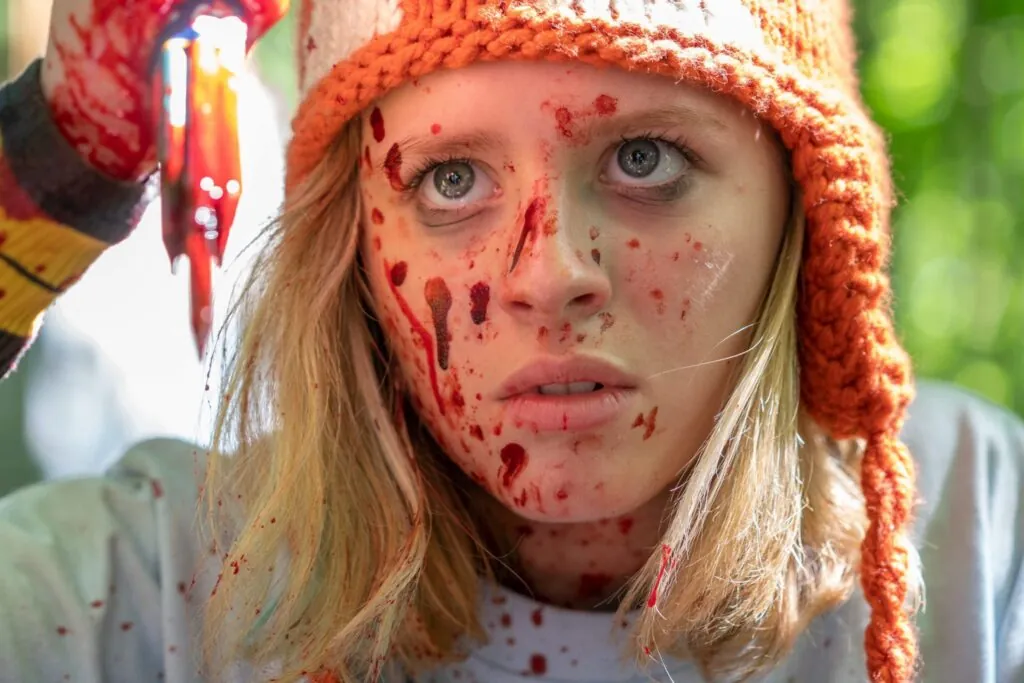
Structured in a similar vein to the teenage delinquent films of the 1970s, the Becky movies are not mean-spirited about their violence, but portray perfectly justified, if not totally righteous, anger finally being given a place to go. Becky is taking down Nazis not like the militarized regimes of Inglourious Basterds or The Dirty Dozen, but the homegrown Americans that look just like the podcasting jagoffs who show up to harass school board officials and antagonize people on the streets for just existing.

Becky is not a killer; she just has a reason to kill.
Three years later, Lulu Wilson returned in The Wrath of Becky. Now 16 years old, Becky (and her trusty dog, Diego) is attempting to rebuild her life off the grid, taken in by a kind woman named Elena Cahn (Denise Burse), who treats Becky like a daughter and does not pry about her past. However, Becky crosses paths with a group called the Noble Men (an obvious stand-in for the Proud Boys), led by Seann William Scott as Darryl Jr.
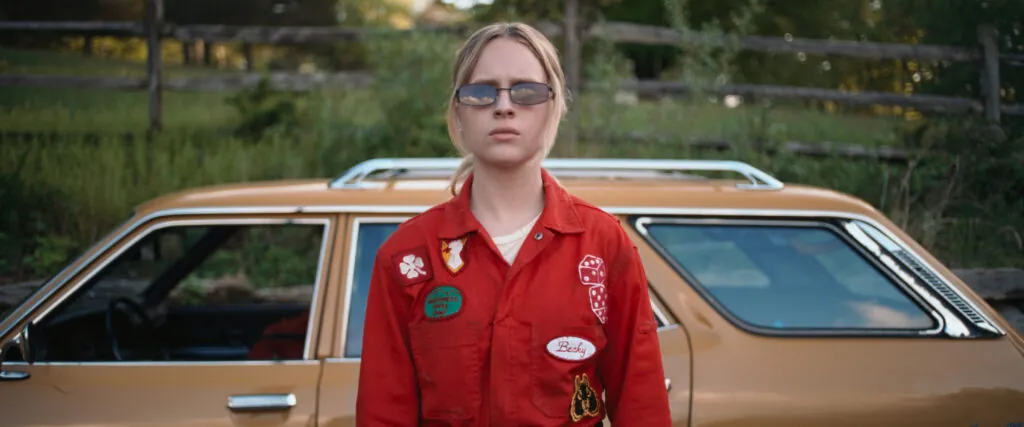
The intrusion of the Noble Men in Becky’s life forces her to tap back into the righteous fury within her, which draws the attention of CIA agent Kate Montana (Kate Siegel), who offers to recruit her to continue taking down these domestic terrorists full-time. If a self-taught 16-year-old girl can take down an entire cell of the Nobel Men, imagine what she could do with some professional training.
What’s interesting is that the first two films have very different creative teams. Becky was directed by Jonathan Milott & Cary Murnion with a script from Nick Morris, Lane Skye & Ruckus Sky. Matt Angel and Suzanne Coote directed The Wrath of Becky, with Angel writing the screenplay.
It’s an atypical choice but one that works considering Becky is a very different girl in these two movies. She’s in different places in her life, and the films reflect that. Being a 13-year-old is very different than being a 16-year-old, and being a 16-year-old who has killed people is very different from being a 13-year-old who is fighting for her life.

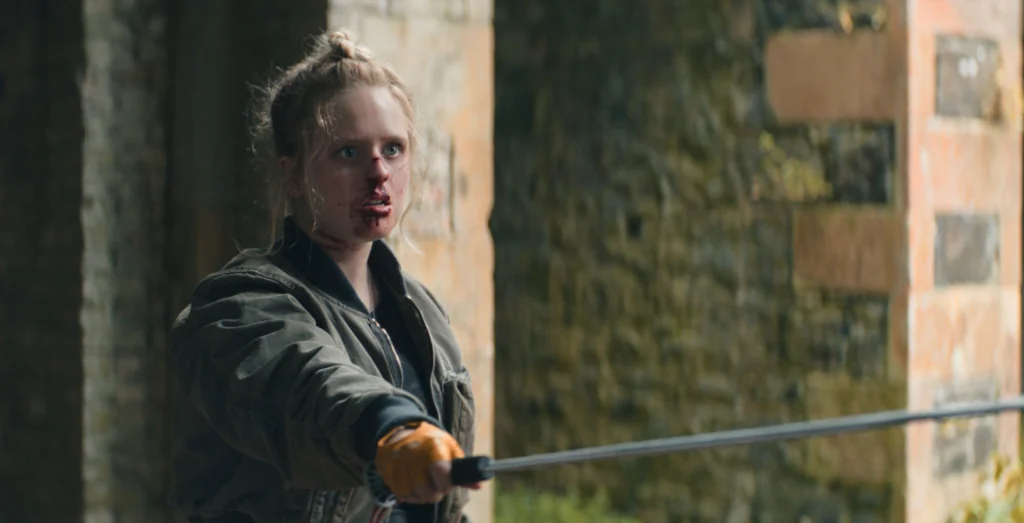
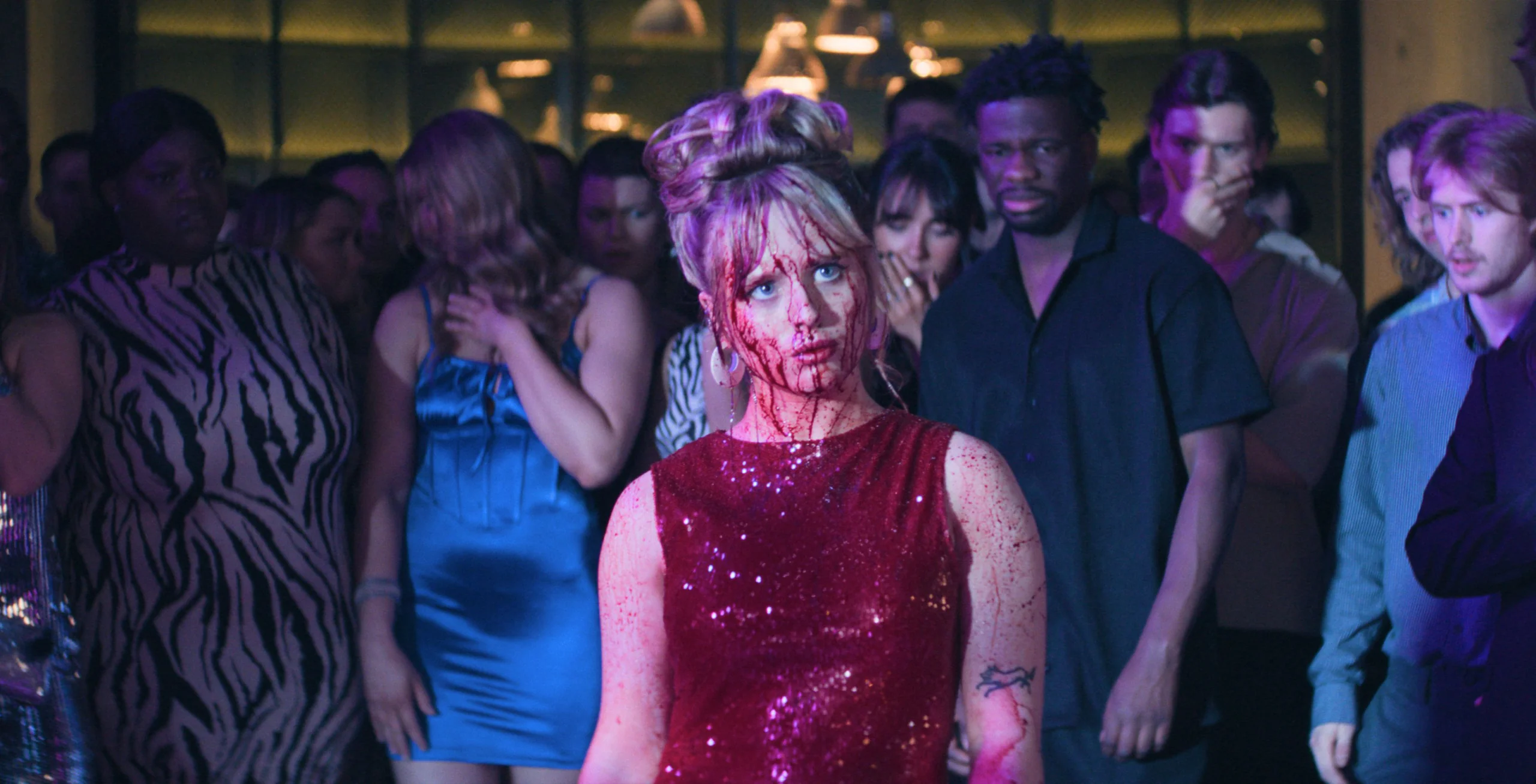
Now heading into its third installment, The Last Temptation of Becky, Angel and Coote return with a story by credit, while The Ranger and The Sacrifice Game’s Jenn Wexler steps into the director’s chair and co-writes the screenplay with Angel. Becky is now 18, an adult in the eyes of the law, and a CIA field agent who goes undercover in Poland to infiltrate a family running an inn out of one of Hitler’s World War II bunkers. After she learns the family patriarch plans to enact the Fourth Reich, Becky has to take them all down.
Continuing the trend of casting beloved comedy actors as bigoted freaks who should have their heads shoved up their asses and rolled downhill, Neil Patrick Harris and James Urbaniak are both playing Nazis. It’s easy to write off these casting decisions as cheap gimmicks, but it’s one of the smartest metatextual plays in the trilogy.
Kevin James playing an escaped convict with a giant swastika tattooed on his head is a complete jolt to the nervous system, because it’s a reminder that someone who looks just like the friendly guy in your neighborhood could be harboring some deeply dangerous belief systems. Stifler from American Pie as the leader of the Noble Men is great casting because he looks exactly like the kind of cool guy you went to high school with who, 20 years later, is posting AI-slop images of Donald Trump dressed like Rambo. Neil Patrick Harris in a full SS uniform is so wickedly unsettling, because our brains associate him with laughter.
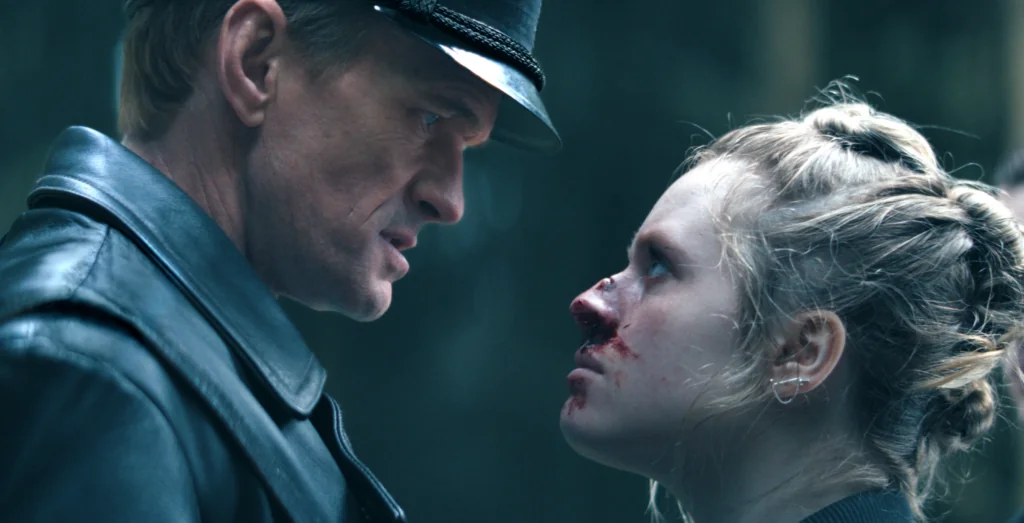
But these films do not work without a teenage John Wick in the form of Lulu Wilson’s Becky.
Lulu Wilson is a force of nature in these films, because she embodies all of the destructive, primal thoughts that many of us have but know are unthinkable for us to act upon. She provides the abreaction that we will never be able to experience in real life, because it’s, yanno, super illegal to fire a rocket launcher at a truck full of Neo-Nazis.
Let's cut to the chase: for a hell of a lot of people everywhere, everything sucks, and we're filled with rage about the world, the government, and the people in charge. Getting the chance to watch a teenage girl — someone society wants us to perceive as “weak” due to her age and gender — take down fascists with her bare hands feels so good.
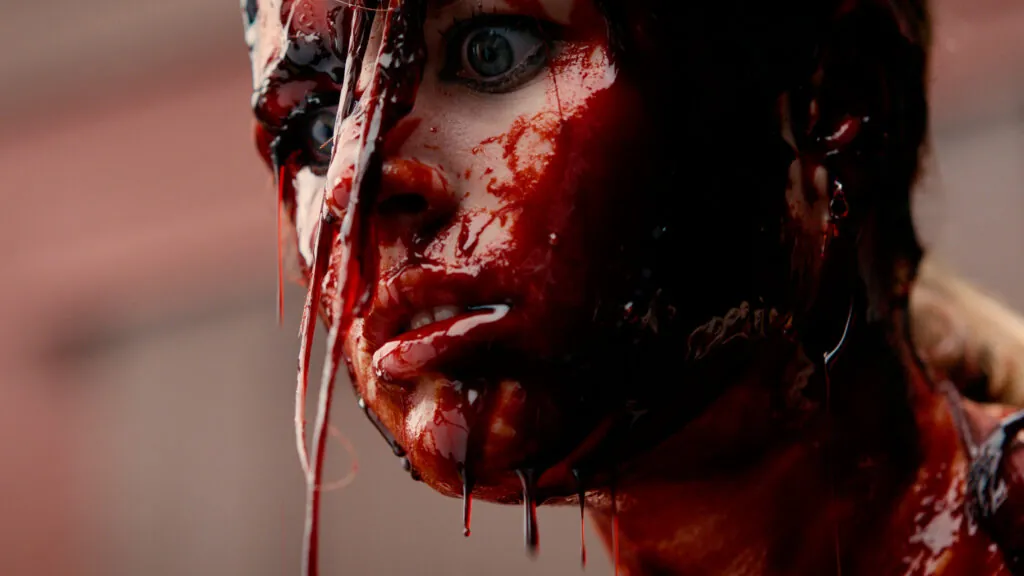
Catharsis and spite are incredible motivators to help us get through it all, and years from now, film historians and sociologists will look back at the Becky films as the definitive film trilogy of the decade. Because unlike so-called “classier” joints, the bloody brutality of the Becky films is honest about how it really feels to live in this timeline.
The Last Temptation of Becky hits select theaters November 4, 2026. Get your tickets now.