
Last Updated on February 23, 2026 by Angel Melanson
The 2010s were a strange time for horror. Emerging from the early 2000s, an era defined by clearly identifiable genres such as ‘torture porn’, J-horror, New French Extremity and found footage, the turn of a new decade was having trouble finding its feet.
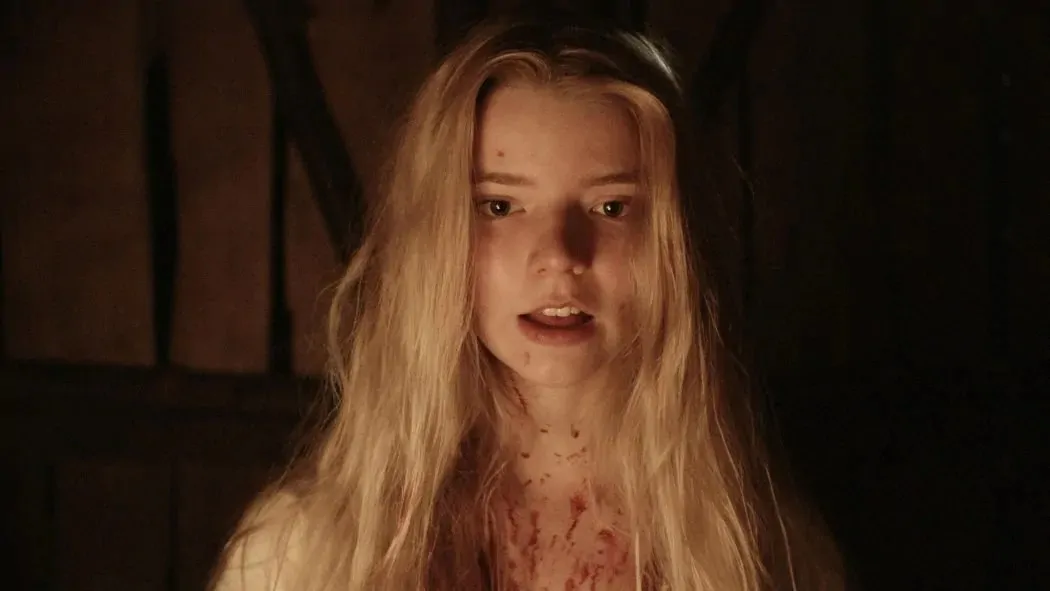
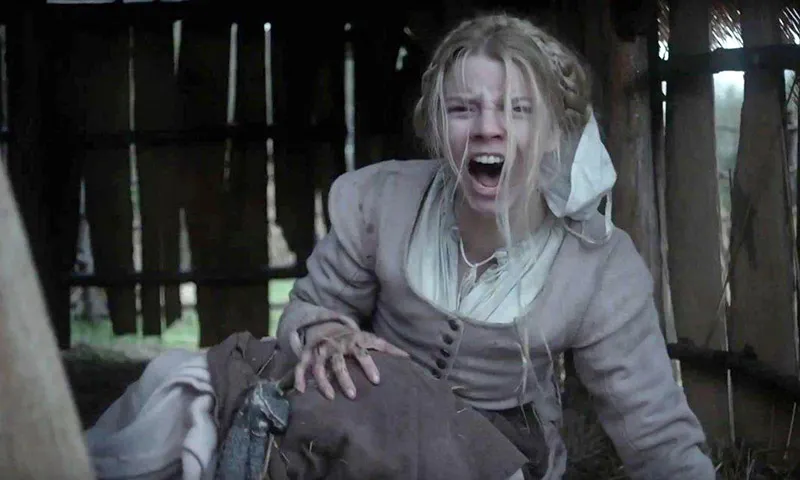
While horror was proving profitable at the box office (this was the start of the Blumhouse reign, after all), a slate of uninspired sequels and stale remakes had fans clamoring for something new. In 2014, the success of both It Follows and The Babadook proved that audiences were hungry for a break from jump-scares, and wanted to submerge into heavy, oppressive atmospheres that prioritized subtle scares over excessive gore. The following year, Robert Eggers’ feature debut The Witch pushed this fledgling moment to fully sprout its horns, and a decade past release, the film’s influence over the landscape of modern horror cannot be understated.
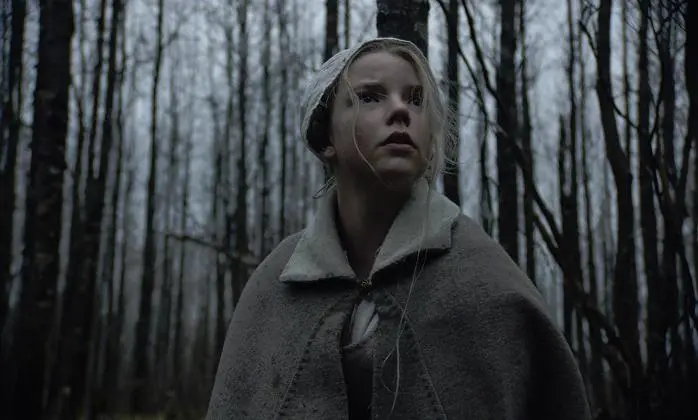
Released wide in February of 2016, following positive press screenings and a January premiere at Sundance, The Witch breached horror containment to become a mainstream success, helping to catapult Anya Taylor-Joy into A-lister stardom and securing Ralph Ineson and Kate Dickie their deserved place as mainstays in the supporting cast of a number of genre features going forward (including further collaborations with Eggers himself).
The film sparked a folk horror renaissance (that is only just beginning to taper off in favor of a return to gory, bold shockers like Barbarian, Terrifier 3 and The Substance) that felt distinctly, depressingly, modern despite being set in Puritanical purgatory.
Although horror cinema has centred women since the inception of the genre, the preceding era of Blumhouse offerings like Sinister, The Conjuring and Insidious was arguably less concerned with exploring, at least in any intimate detail, the trials and tribulations of women across the ages.
But 2014, the year before The Witch, had been a year of both tremendous highs and lows for women across the world, swinging from Malala Yousafzai’s Nobel Peace Prize win to the misogynist hate crime that was the Isla Vista killings. Just two years out from the #MeToo movement, 2014 was described by writer Rebecca Solnit as a year of “feminist insurrection against male violence”, with the stirrings of righteous rage reflected in Thomasin’s liberation.
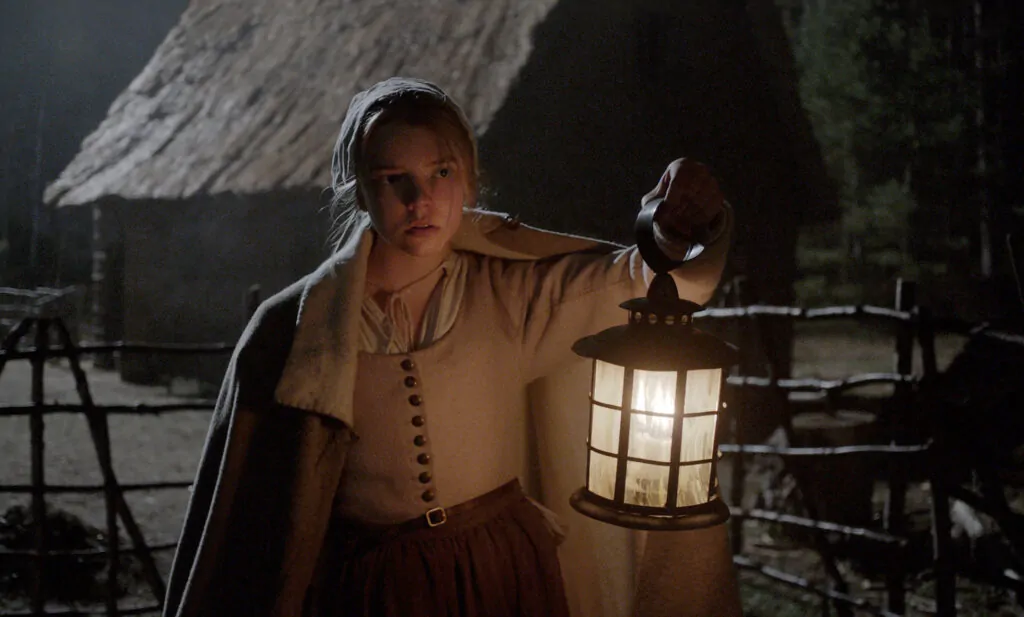
Much of the folk horror revival sparked by The Witch can be seen as a reaction to this rise in worldwide misogyny and regression into the bleak and bigoted attitudes of the past, especially with regards to their period setting. Post-The Witch horror trends saw an increase in period pieces, like Goran Stolevski’s You Won’t Be Alone, Rainer Sarnet’s November, Osgood Perkins’ Gretel & Hansel and Veronika Franz and Severin Fiala’s The Devil’s Bath, that invoke the folklore, history or customs of a very real past as a way of demonstrating how infuriatingly regressed women’s issues remain.
Lukas Feigelfeld’s Hagazussa: A Heathen’s Curse, which plays like The Witch’s much more metal older sister, follows Albrun, a repressed young woman ostracized from a community who fear her to be a witch.
Unlike Thomasin’s ending in The Witch, Hagazussa grants Albrun no such liberation, instead sentencing her to a lonely death after being raped, bullied and tormented by both her imagined delusions and the pull of the supernatural. Both films remind us that the road for complete female liberation is seemingly endless, with both 15th century Austria and 17th century New England echoing similar hallmarks of a supposedly progressive 21st century world.

The Witch’s influence can also be seen in horror set in the present day, such as Pyewacket, which sees a grieving teenage girl summon a demon in order to kill her mother, and films like The Wretched, Hellbender and The Autopsy of Jane Doe, all of which prominently feature the figure of the witch herself, exploring what the iconography of such an archetype means in the 21st century.
Usually mentioned in tandem with The Witch is Ari Aster’s 2019 Midsommar, which also spins a tale of (questionable) female liberation against a backdrop of ritual and religion-inspired madness, with the pair often presented as an example of ‘good for her’ horror.
While Midsommar’s status as a ‘good for her’ horror remains a point of contention for horror fans (after all, Florence Pugh’s Dani has just sentenced herself to life in a white supremacist cult), The Witch’s now-iconic ending, which sees Thomasin shed the ‘sins’ of her past and embrace the Devil and his gleefully naked coven, is usually positioned parallel to Florence Pugh’s deranged beaming grin as examples of a subgenre in which female protagonists escape the confines of their past or present and end their onscreen journey on a positive note.
While The Witch certainly wasn’t the first to embody the themes of the ‘good for her’ label (Carrie, You’re Next and the many rape revenge films of the 1970s have retroactively been defined as such), the years following Eggers’ debut saw an influx of horror films in which saw their female main characters escape, bloodsoaked and battered, from a patriarchal structure, be it family, religion or rape culture as a whole – Ready or Not, X, Revenge and the 2018 remake of Suspiria, to name but a few.
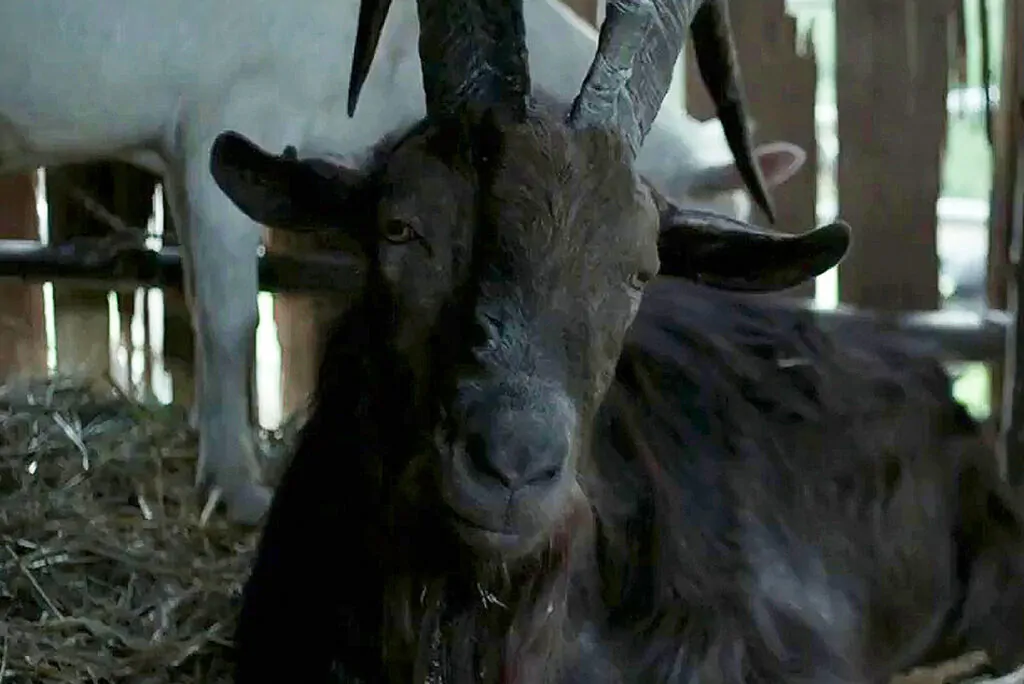
Through no fault of their own, The Witch and Midsommar are also responsible for the somewhat-misguided label of ‘A24 horror’ (A24 is a production house and distributor, not a singular filmmaker, after all) coming to refer to horror films generally recognizable by their slow-burn nature, metaphorical narratives, discordant string soundtracks and a few ominous farm animals or naked elderly people thrown in for good measure.
Similarly, following The Witch, the phrases ‘metaphorror’ or, god forbid, ‘elevated horror’, despite never actually being used in sincerity (and certainly not by Eggers himself), entered a horror-wide lexicon, much to the chagrin of some fans who correctly claim that the genre has always been concerned with wider themes of social, political and cultural relevance, even among the lashings of gore.
For better or for worse, The Witch’s critical and financial success put A24 on the map as an independent studio horror fans should keep a close eye on, paving the way for genre blockbusters like Hereditary, Talk to Me and Heretic.
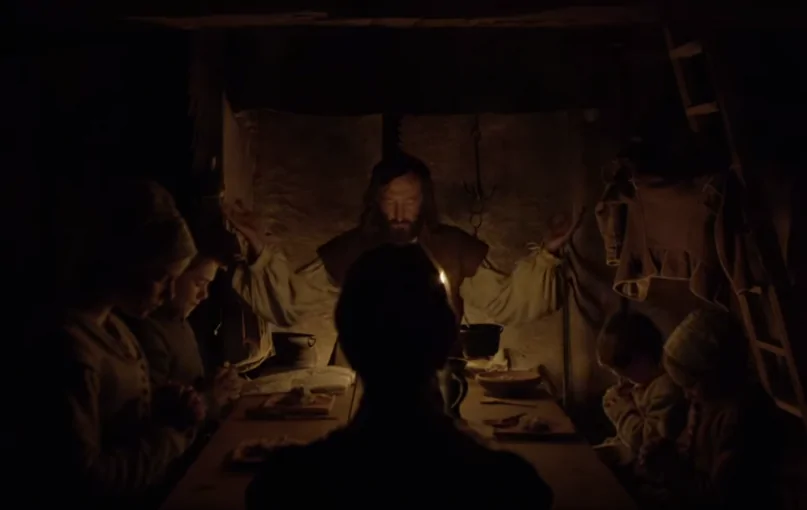
Sprouts from The Witch‘s seed can also be seen in Eggers’ (at the time of writing) three feature films that followed. 2019’s The Lighthouse sees Willem Dafoe and Robert Pattinson trapped in purgatorial lunacy, driven to madness by sexual repression. His Viking saga The Northman sees Taylor-Joy return again as a mystic, this time one confidently in tune with her own powers. And, most recently, 2024’s Nosferatu spins the classic vampiric tale of female sexual liberation into something much darker and more fiendish.
Eggers' upcoming features also already seem indebted to The Witch in some way or another. It’s probably safe to assume that his upcoming 13th-century thriller Werwulf will keep demonstrating the detailed historical accuracy he honed on his first feature, while his Labyrinth sequel will likely explore similar themes to the 1986 original – that of a young girl, influenced by a dark, seductive male figure, coming of age and finding her feet in womanhood. Sound familiar?
Even a decade after release, The Witch remains as beloved as it was upon release. And beloved it sure was, garnering all the right reactions a good horror movie should. Stephen King praised it. Conservative Christians disavowed it. Black Phillip even has his own Funko Pop, and we’d put good money on the upcoming Scary Movie making reference to it in some way or another. While the neu-folk horror wave might have ebbed, The Witch‘s embrace of the bleak and brutal, its message of female liberation and its warnings of the restrictive trappings of puritanism transcend genre and ensure the film will stand, living deliciously, for many more decades.