Last Updated on May 17, 2024 by Fangoria Editor
From the classic thrills of the best horror movies from the 1980s, 1990s, 2000s, and 2010s to the laughably bad horror films that we love to hate. We even love reading horror books and comics filled with over-the-top ghoulish hosts and post-apocalyptic zombies.
-
Horror Films of the 1960s
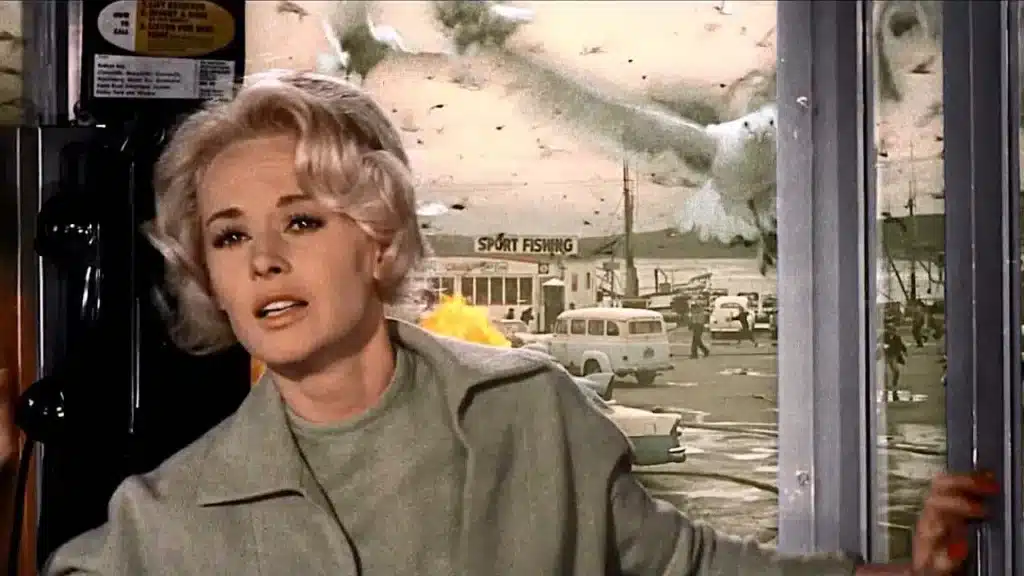
Image Credit: Universal-International Pictures. The 1970s was the decade that really launched modern horror into the mainstream, defining subgenres—demonic possession, slashers, zombies, body horror—that are still with us today. The 1960s, in contrast, feel betwixt and between, as older creature features and suspense thrillers mutate into gelatinous semi-forms. Watching films of the era can feel a little frustrating for current-day horror fans, as gore and ichor and mass murderers fail to gore and ichor and mass murder in quite the way they’re supposed to. But horror is also fun when, like a Frankenstein monster, the parts aren’t all sewn right way up.
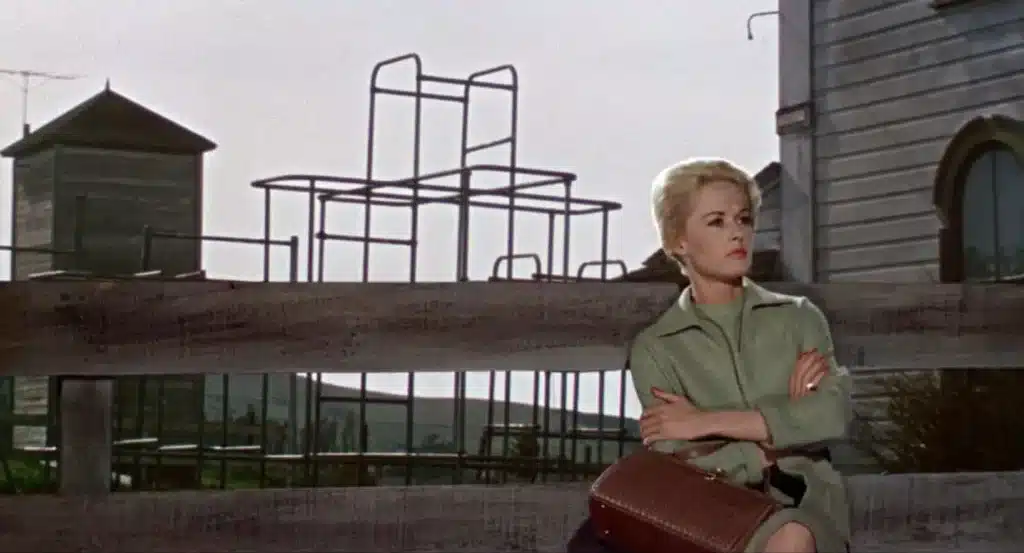
The Birds (1963)

Image Credit: Universal-International Pictures. Perhaps Hitchcock’s most openly sadistic film, The Birds is loosely based on a Daphne du Maurier short story. Hitchcock changed the protagonist to a woman and cast Tippi Hedren as Melanie Daniels, a flighty socialite who is chastised for her independence and whimsy with a plague of birds.
No reason is ever given for the avian animosity. They are creatures of pure malice and visual brio. In one dramatic scene, they land one by one by one till they are completely covering a jungle gym. In another shot a bird flies high above a gas station engulfed in flames, looking down with a virtuoso god’s or director’s eye view. Hitchcock was reportedly stalking Hedren throughout the film, and her poise and determination are a rebuke to him and to his vision of a world intent on destroying women for no reason, out of the blue.
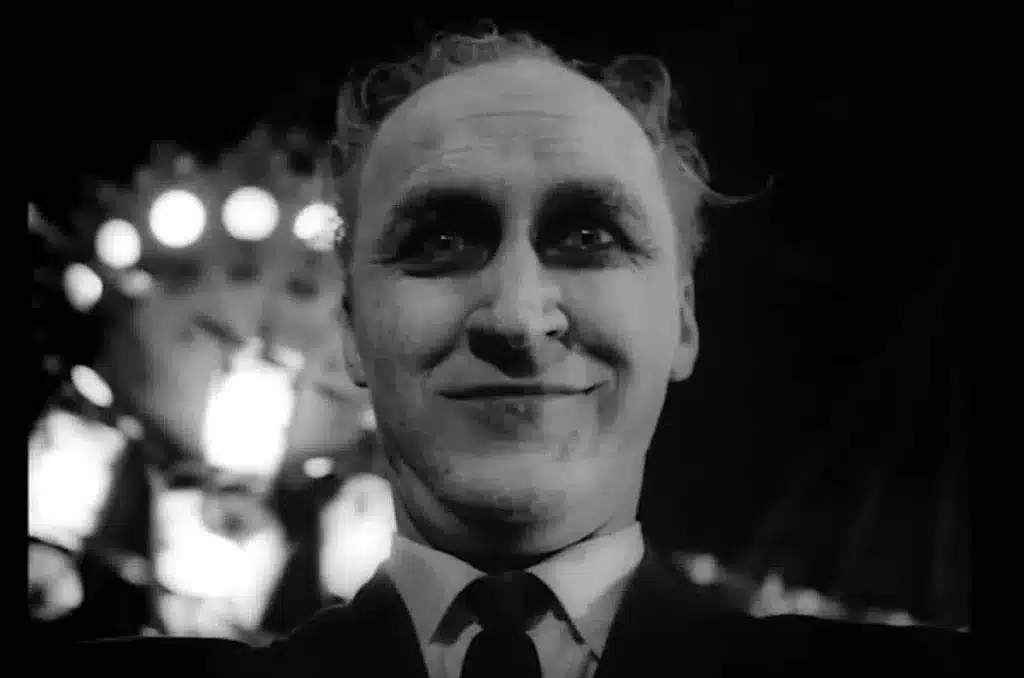
Carnival of Souls (1962)

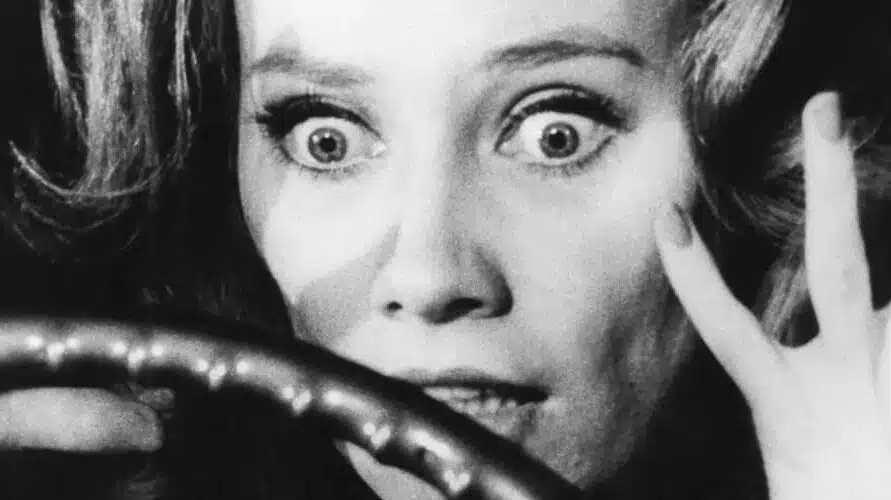
Image Credit: Harcourt Productions. Determinedly agnostic church organist Mary Henry (Candace Hilligoss) mysteriously survives a car crash and drowning, and goes to take a new job immediately. But she’s stalked by a pale specter, and slowly loses purchase first on her sanity, or then on the border between the living and the dead.
The film may be punishing Mary for being an independent career woman, Or it may be a metaphor for the social stigma and isolation single women are subjected to. Or it may be about survivor’s guilt, or a ghost story from the perspective of the ghost. The droning organ score may or may not be in her head as she stumbles through a world that no longer notices her, a shadow among the film’s chiaroscuro shadows. Herk Harvey’s sole feature film touches on Hitchcock and points towards Lynch. But it also feels isolated in its own disconnected bubble, without air or answers.
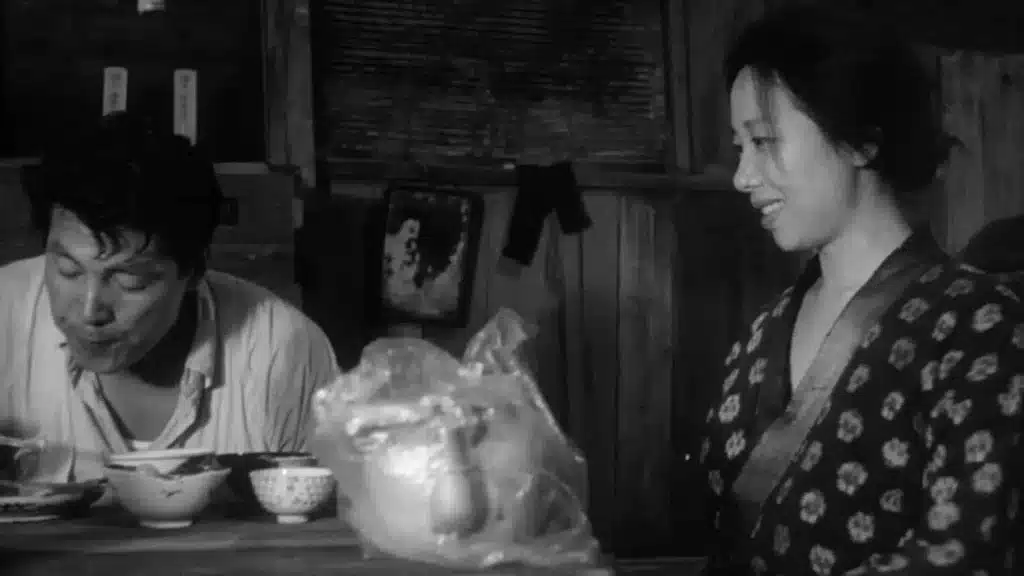
Woman in the Dunes (1964)

Image Credit: Toho. Woman in the Dunes is unclassifiable. But if horror means suffocation in the strange, director Hiroshi Teshigahara’s surreal parable qualifies. Entomologist Niki Junpei (Eiji Okada) goes to the dunes to capture beetles, misses his bus, and is captured himself by local villagers who trap him in a pit where he and a woman (Kyōko Kishida) dig sand for cement in exchange for basic necessities. Domesticity, capitalism, curiosity, and society itself are nightmares in which human beings are helplessly complicit.
In stunning, ominous visuals the sand shifts, blows, crumbles, and like Junpei himself, goes nowhere. He sinks from condescending scientist to animal (he tries to rape the woman at his captors’ behest) and then on down to inert dust, placid and empty of ambition as the grave.
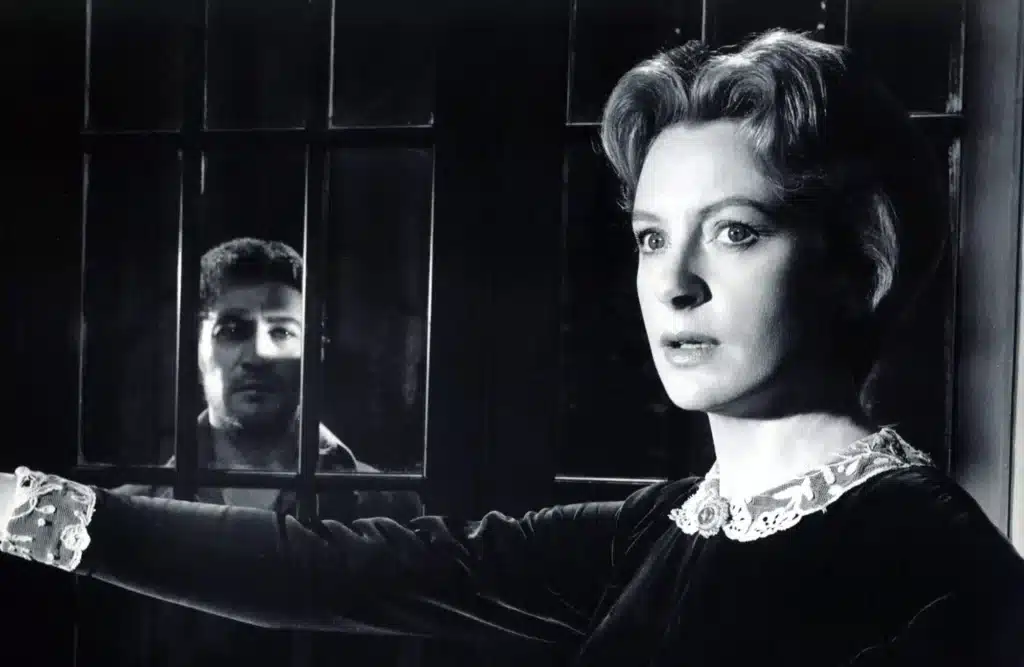
The Innocents (1961)

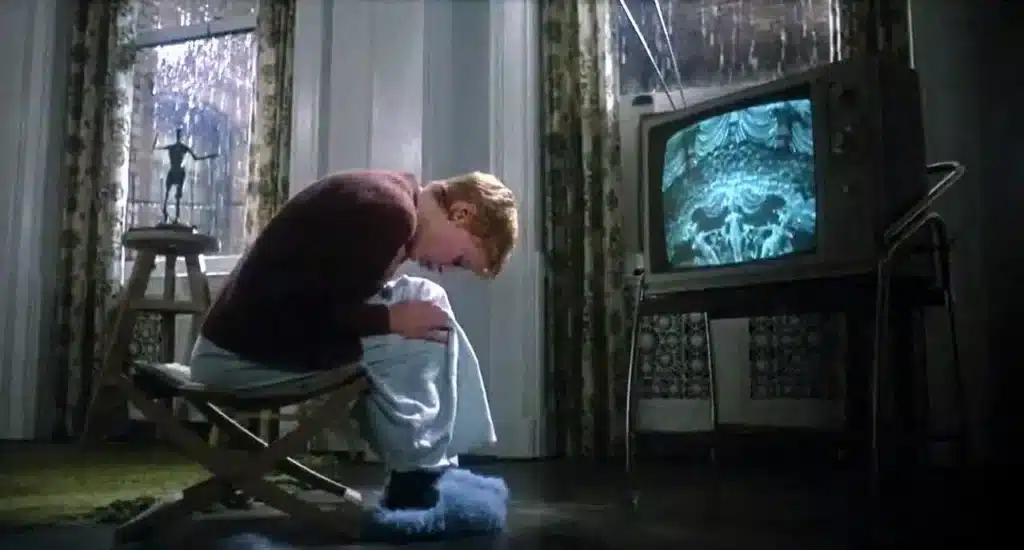
Image Credit: 20th Century Fox. Jack Clayton’s adaptation of Henry James’ Turn of the Screw foreshadows many a child possession film to come. Where The Exorcist and The Omen ladle on the blood and demonic imagery though, The Innocents is all repression and suggestion. The sharp-focused black-and-white cinematography positions governess Miss Giddens (Deborah Kerr) in solid reality, belied by the ghostly imagistic dissolves which drift through her troubled sleep.
The two children Miss Giddens cares for may be pursued by the spirits of profane servant lovers. But it seems more likely that the thing that haunts the estate is Miss Giddens herself, who projects her fevered fantasies onto her terrified charges. Horror isn’t some outside invader, but the adults in the house, and their obsessive dreams of innocence corrupted.
Kwaidan (1964)
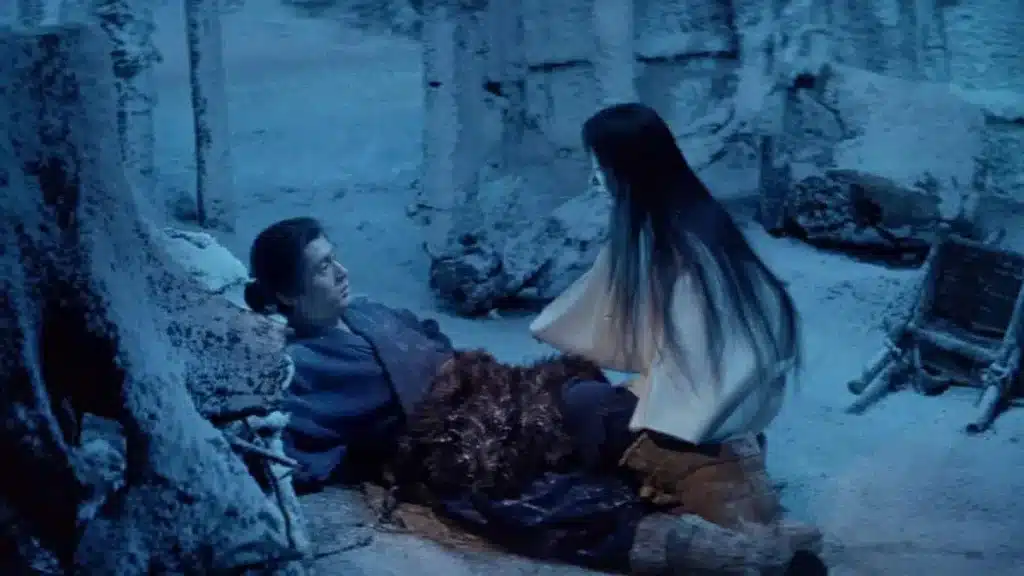
Image Credit: Toho. Masaki Kobayashi’s horror anthology features four folk-tales united by a visual style so lush as to be otherworldly. The line between the mundane and the outside is paper-thin; spirits appear in a cup of tea, or step out of your wife’s slippers.
The longest tale, “Hoichi the Earless” features a stunning samurai water battle against matte backgrounds and traditional biwi chanting; you feel like you’re watching a painting come to life. The segment that stays with you most though is “The Woman of the Snow,” in which a demon snow spirit haunts the cold edge between love and hate, and a chance word or betrayal can bury your life like snow.
Rosemary’s Baby (1968)

Image Credit: Paramount Pictures. Rosemary’s Baby is an extremely faithful, often word-for-word adaptation of Ira Levin’s novel, and it reproduces that book’s feminist approach despite director Roman Polanski’s own ugly history of sexual violence.
Rosemary (Mia Farrow) is joyfully happy to be pregnant…until she starts to think a coven of witches in her new apartment building is trying to seize her baby. Her new neighbors and even her gynecologist insist she’s paranoid. But it turns out the patriarchy is in fact out to get her. John Cassavetes as her nice-guy-oh-wait-maybe-not-so-nice husband is more oleaginously terrifying than the devil himself, and Levin’s plot slowly takes on weight and detail, like a fetus coming to some terrible term.
Night of the Living Dead (1968)
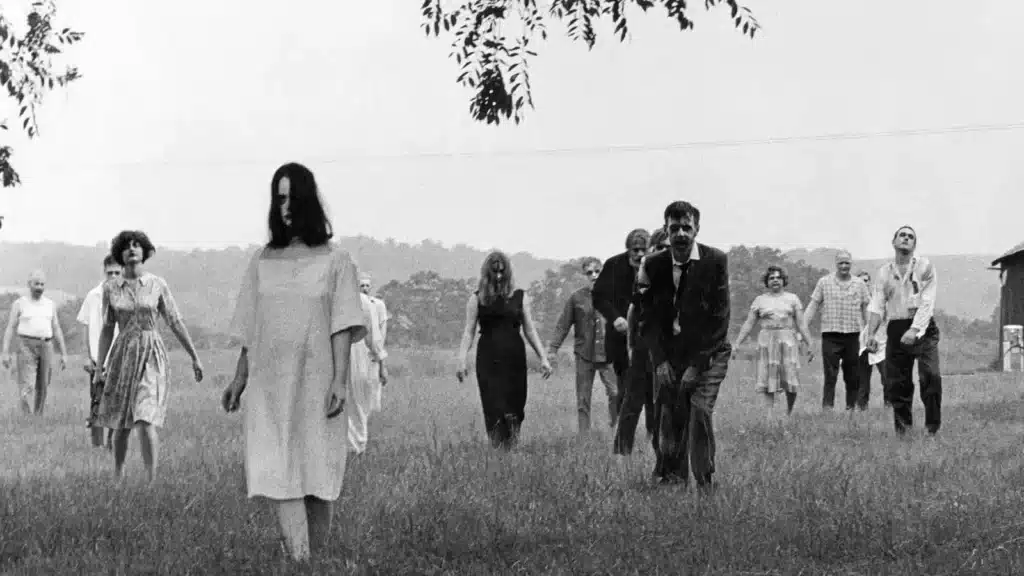
Image Credit: Continental Distributing. George Romero’s first feature set the standard for all zombie films to come, and also featured one of the first Black protagonists in American horror. Those landmarks are related; while zombies came to mean many things over the decade, here they function as a metaphor for America’s collective, ravenous, and racialized violence.
Ben (Duane Jones) is the one person to keep his cool as the dead start to rise and eat, and he tries to organize a small group who have gathered in a rural home to work together for self-defense and preservation. But panic and hatred keep staggering onward. The low-budget sets and stagey dialogue create an atmosphere of ingrown claustrophobia the zombie genre has rarely matched. And the end, in which Ben escapes the zombies but not his fellow humans, is one of the most grimly cynical in horror cinema.
Eyes Without a Face (1960)
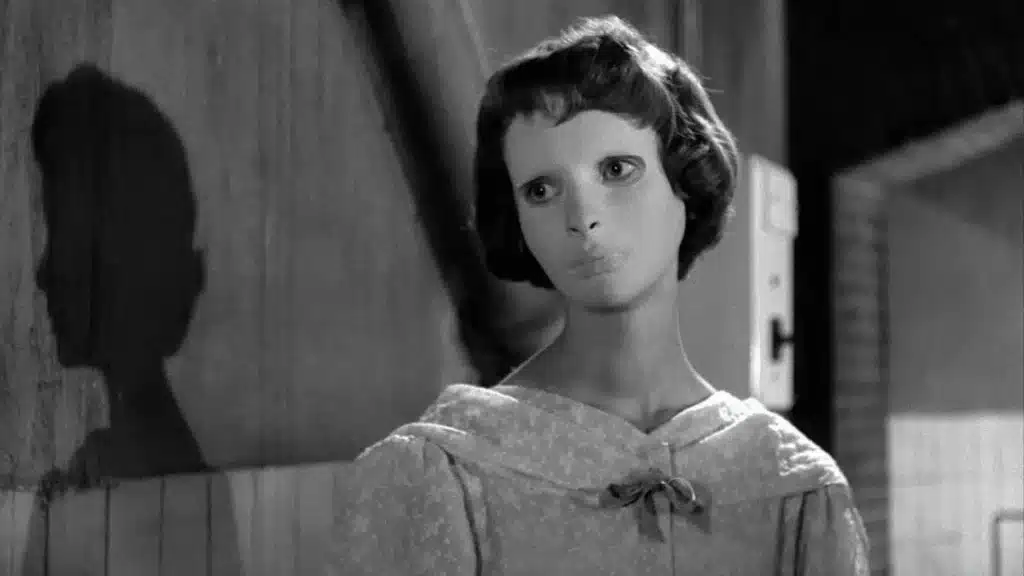
Image Credit: Lux Compagnie. Les yeux sans visage, Georges Franju’s grotesque Frankenstein riff, purportedly made audience members faint with its graphic scene of facial surgery. Even with lots of horror movie gore in the last 60 years, that scene, and the movie as a whole, still delivers a squicky recoil.
Christiane Génessier (Édith Scob) lost her face in an accident, so her plastic surgeon father (Pierre Brasseur) sets about capturing other pretty young women and trying to transplant their faces onto hers. Christiane goes along at first, but really it’s the dad who is obsessed with consuming and replicating women’s beauty, not the woman herself. The last scene, where Christiane wears a smooth white mask representing her own face while freed doves flutter around her, is lovely and odd, a kind of symbolic escape from fathers and the identities they graft on their children.
Cape Fear (1962)

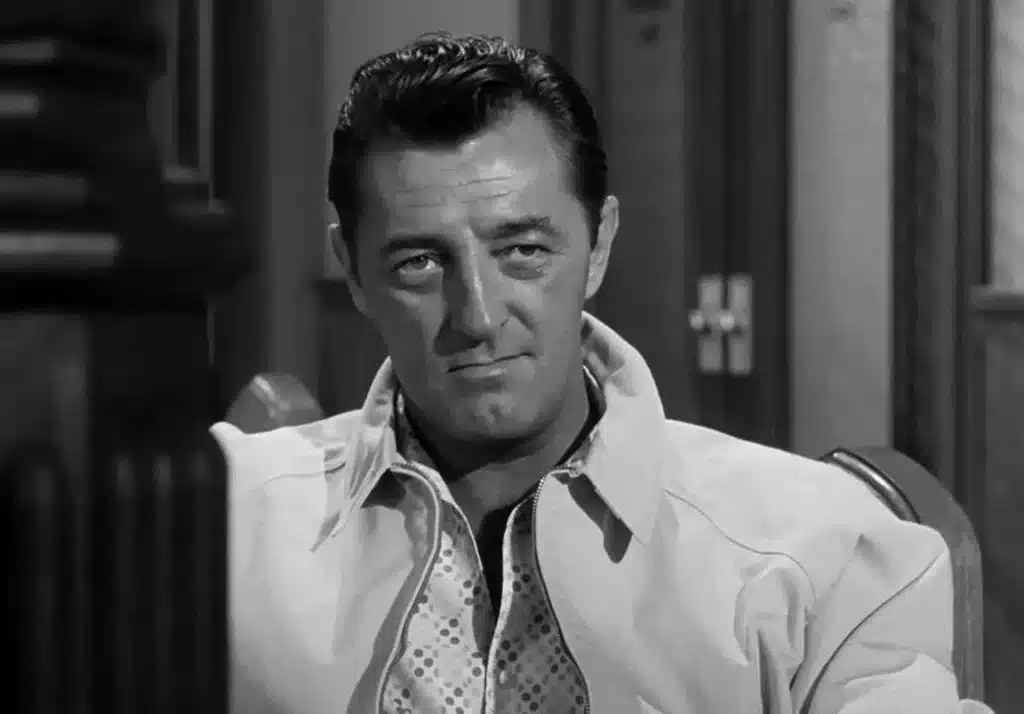
Image Credit: Universal Pictures. The slasher is usually traced back to Hitchcock’s Psycho, but Jason, Freddy, and Michael, not to mention Hannibal Lecter and Jigsaw, have more than a bit of Robert Mitchum’s Max Cady in their DNA as well. Vengeful ex-con Cady isn’t a mystical force like some of his heirs, but Mitchum gives him a cunning, relentless malevolence and a feral sexual glower that more than suffices.
Upright lawyer Sam Bowden (Gregory Peck) starts off sure the forces of law and order can protect him and his family. But Cady is too smart to get pinned down by the cops, and Sam finds himself shedding caveats and professional ethics to get in the gutter right beside his antagonist, flailing in the stuff of horror—blood, muck, hatred, and revenge.
Peeping Tom (1960)
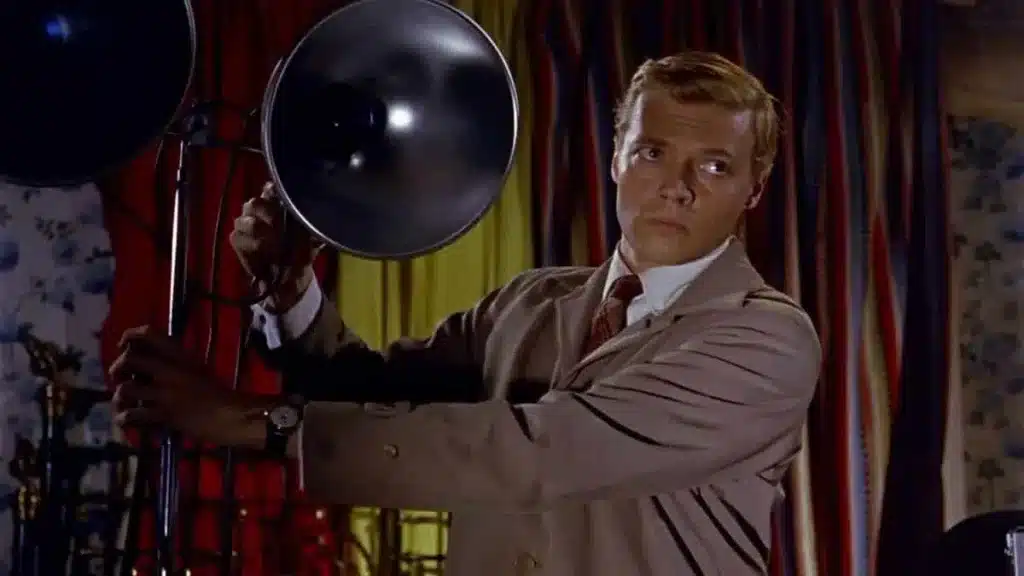
Image Credit: Anglo-Amalgamated Film Distributors. The first slasher is also the first meta-slasher. Michael Powell’s Peeping Tom was released shortly before his friend Hitchcock’s Psycho, and it’s even more obsessively focused on its own male gaze. Cameraman Mark Lewis (Carl Boehm) is obsessed with filming the fear on women’s faces as he kills them; the opening sequence of the movie is a viewfinder’s eyes view of his murder of a sex worker.
Powell throws in some psychoanalytic mumbo jumbo about the trauma done to Mark by his psychoanalyst father. But mostly the movie is a horror film about the pleasures and repulsions of horror films; titillating the viewer with the sadistic, scopophiliac content and violence which so titillates Mark himself. Peeping Tom is half a critique of sleazy grotesquerie and half a celebration of it, and it thoroughly shocked critics at the time. But the next generation of filmmakers were watching.
Final Thoughts

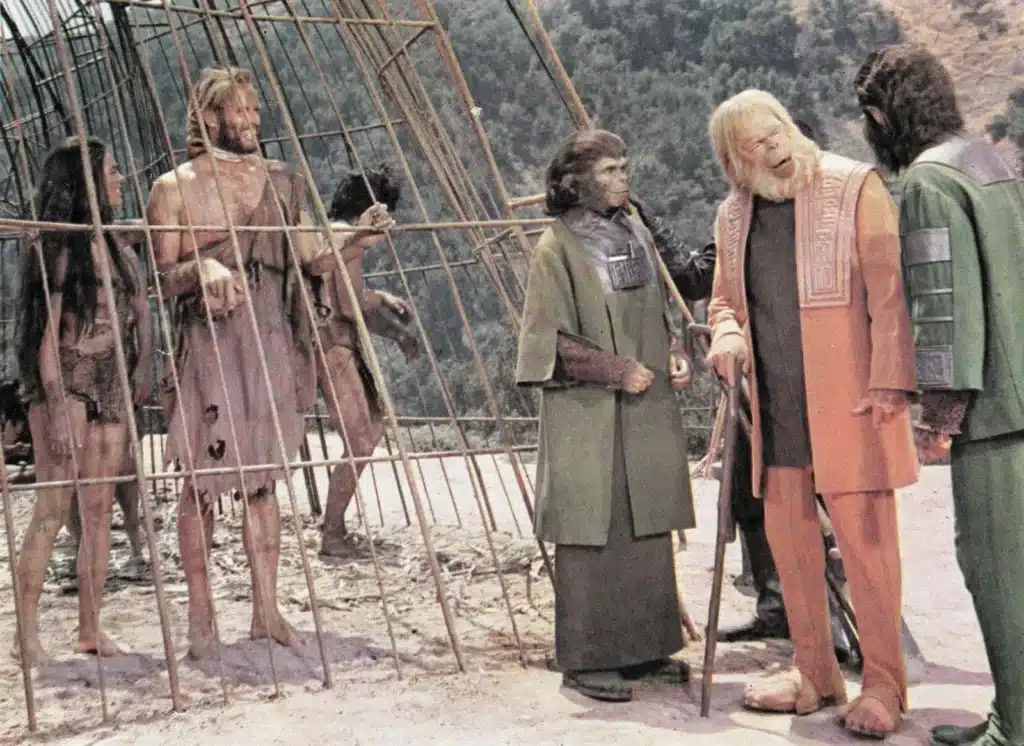
Image Credit: 20th Century Fox. The film that I most agonized over that didn’t end up here is Planet of the Apes. I know it’s not usually classified as a horror film, but it scared the monkey mask off of me when I was a kid. The human explorers throw themselves out into space and time only to find that both are utterly indifferent to them and to their entire species.
Rewatching it as an adult, it still has a bit of that cosmic horror to it, but it gets buried in endless exposition and Charlton Heston thrusting his pecs around. So I didn’t put it on the list. Time will take you on—which is somewhat scary, and somewhat tedious, especially when it drops you off with a bunch of apes.