
Want to get your hands on the same kind of professional filmmaking tools trusted by today's top filmmakers? We've teamed up with Blackmagic Design—the official sponsor of the 2026 Chainsaw Awards’ Best Cinematography category—to give one lucky filmmaker a Blackmagic Design Pocket Cinema Camera 6K Pro.
One of the most fascinating elements of modern filmmaking is the accessibility of pro-grade tools once off-limits to anyone outside the studio system. Now, in the words of one Doctor Emmett Brown, most of us are walking around with “portable television studios” in our pockets. If Doc Brown could hardly wrap his head around Marty’s JVC GR-C1 camcorder, I’d love to see what he’d think of the handheld movie studios we call cell phones. For filmmakers seeking an approach closer to what the actual studios are producing, cinematic cameras and software are at the ready.
Blackmagic Design has been at the forefront of this movement with their range of professional cameras for under $10k. The company takes that accessibility a step further with their software, DaVinci Resolve. The software acts as a full post-production suite, tackling editing, color correction, visual effects, motion graphics, audio post-production, and photo editing, all in one software tool.
Even more impressive? Blackmagic offers a free version with no time limits or watermarks. It packs plenty of punch to get started, and if you’re ready for the full version, it costs $295. Not monthly, just a flat $295. Compared to the $300k systems of the past, that’s a giant leap in accessibility. But this is no consumer or hobbyist software. All the major post-production houses are using this same tool.
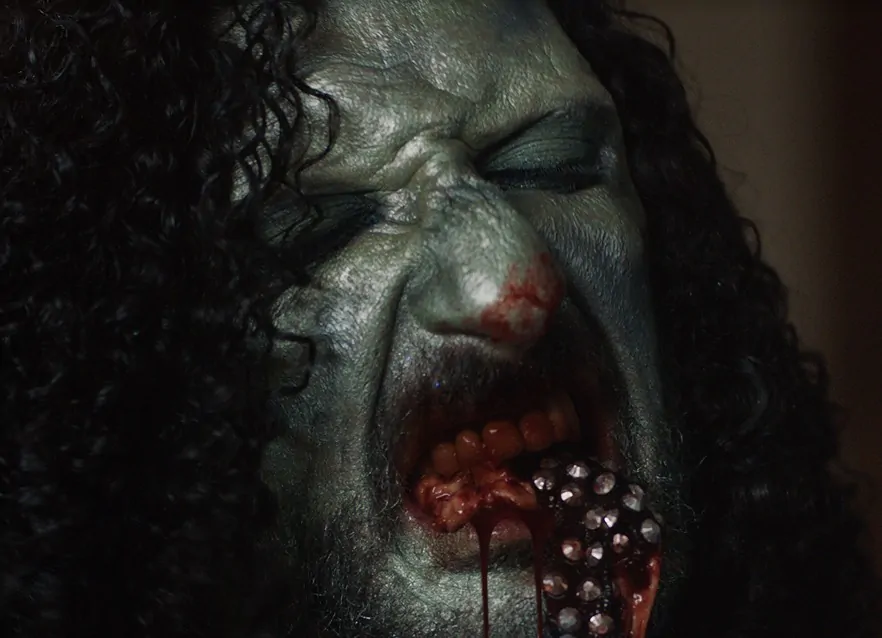
Case in point, many of this year’s Chainsaw Awards nominees used DaVinci Resolve in their post-production process. Three of those titles focused on bringing the dead back to life in lush color — Frankenstein, The Bride!, and Queens of the Dead. The most interesting part is that these three films span the budget spectrum, yet they all used the same software to do the job.
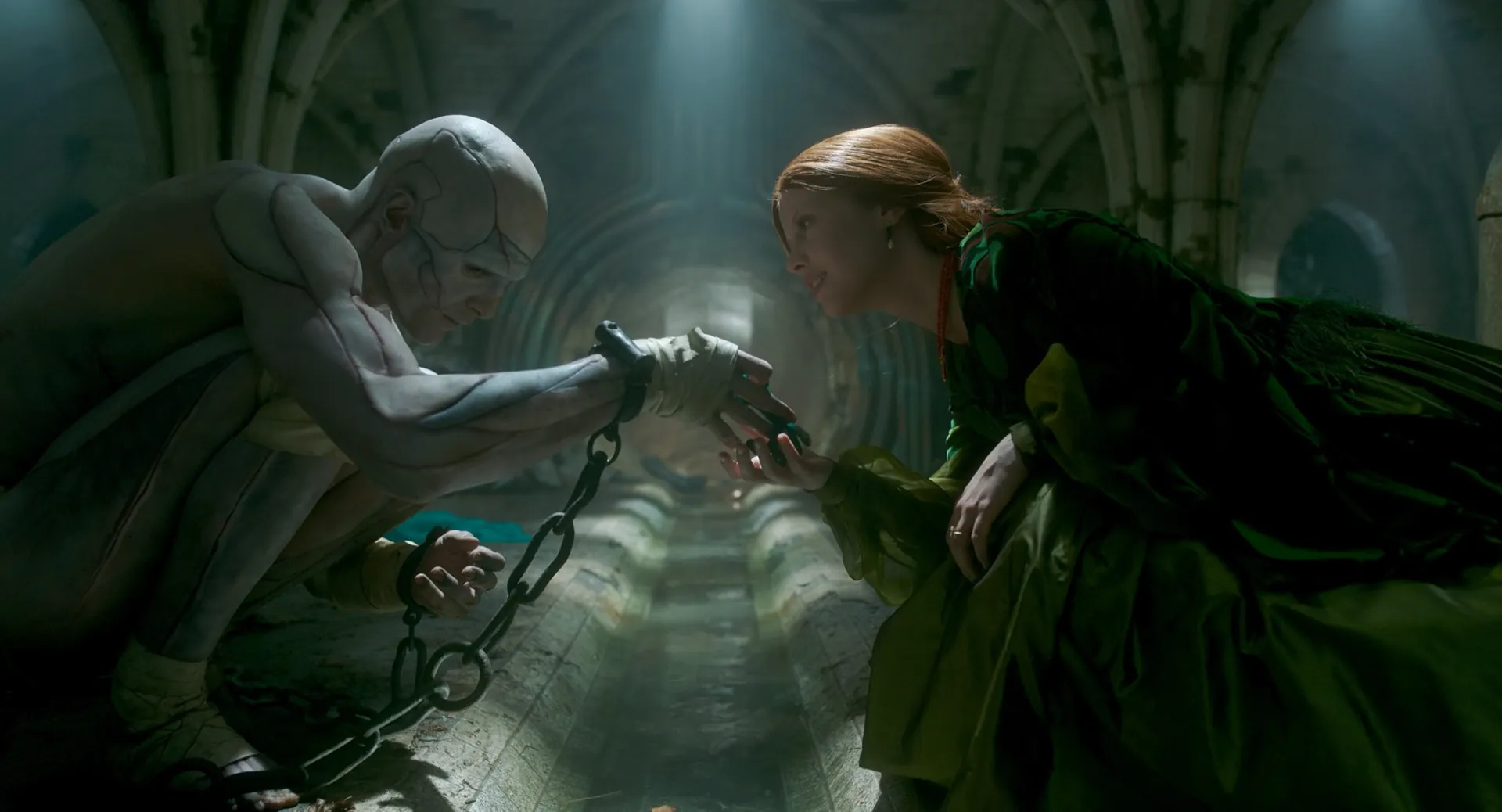
In a Blackmagic Design press release from earlier this year, Company 3’s Senior Colorist Stefan Sonnenfeld chatted about using DaVinci Resolve Studio’s editing, color grading, visual effects (VFX), and audio post-production software in Guillermo del Toro’s Frankenstein. “I try to keep my color grading fairly simple,” he said. “There’s a place for using elaborate techniques to completely alter what was captured in camera, but in a film like this, the final look should retain an untouched, organic quality.”
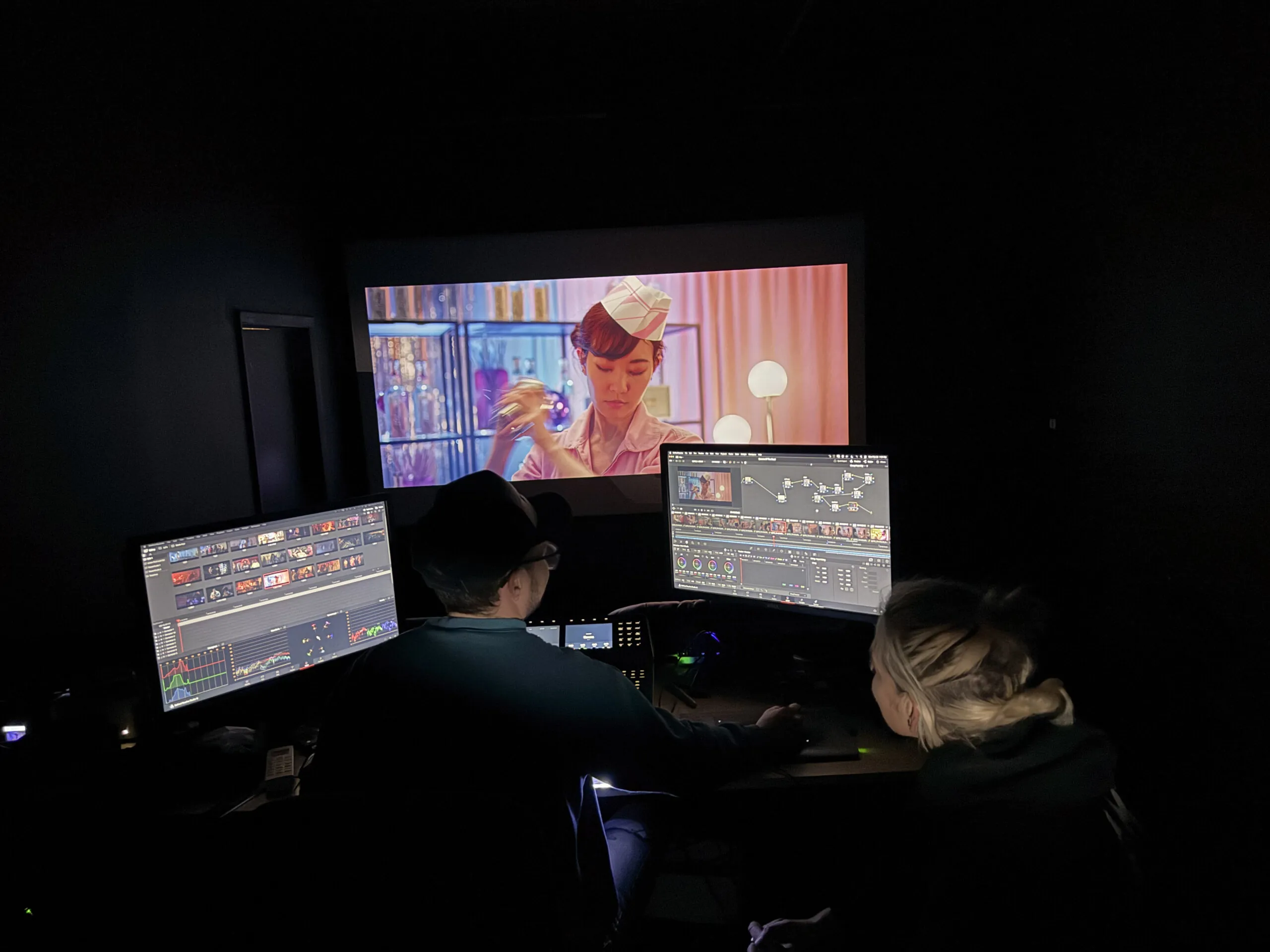
The sentiment echoed a similar philosophy shared by Queens of the Dead colorist Marika Litz. They stressed that production design, costuming, and cinematography establish much of the color palette, while the colorist fine-tunes the final image. “A mentor of mine said that the production design is actually the DNA of the look,” Litz explained. “I think that's really true because as colorists, we come in and polish off what's already there. [Director] Tina Romero and the whole production crew did a lot of work on costuming, set design, and all that stuff, so a lot of the color was done in production.”

In our contemporary landscape, color seems to be increasingly removed from images. Interestingly, in the case of the vibrantly colored Queens of the Dead, Litz shared they were actually toning down the color. “Anyone who's seen the film knows it's very campy, it's very queer, it's all the things. There was a lot of color there. What's funny is that it’s so vibrant, so party, and all of those fun things that I felt like we actually were toning it down a lot in the grade, wanting it to be more of a sophisticated, vibrant look versus just ‘Here's the rainbow thrown at you.’ So extreme. We were trying to keep that vibrancy, but not have it be cartoony.”
When it comes to vibrant vs muted colors, Litz actually likes a variety. “I like the mix. Tina's film was so fun because we got to lean into the color and allow that, but I love a film that is really stylized in a certain way that's like, ‘We're going to suck the color out.’ I did a horror film that was very ‘hot’ colorwise. The full film was about heat, and we used so much red and yellow that it was sort of monotone in that way. It was very stylized.”
Perhaps one of this year’s most stylized films across genres was Maggie Gyllenhaal’s The Bride! The reimagining jumps between stark black-and-white sequences and vibrant color. To achieve the look, Company 3 Senior Colorist Jill Bogdanowicz and multiple‑award‑winning cinematographer Lawrence Sher, ASC, who previously worked together on Joker and Joker: Folie à Deux, teamed up once again.
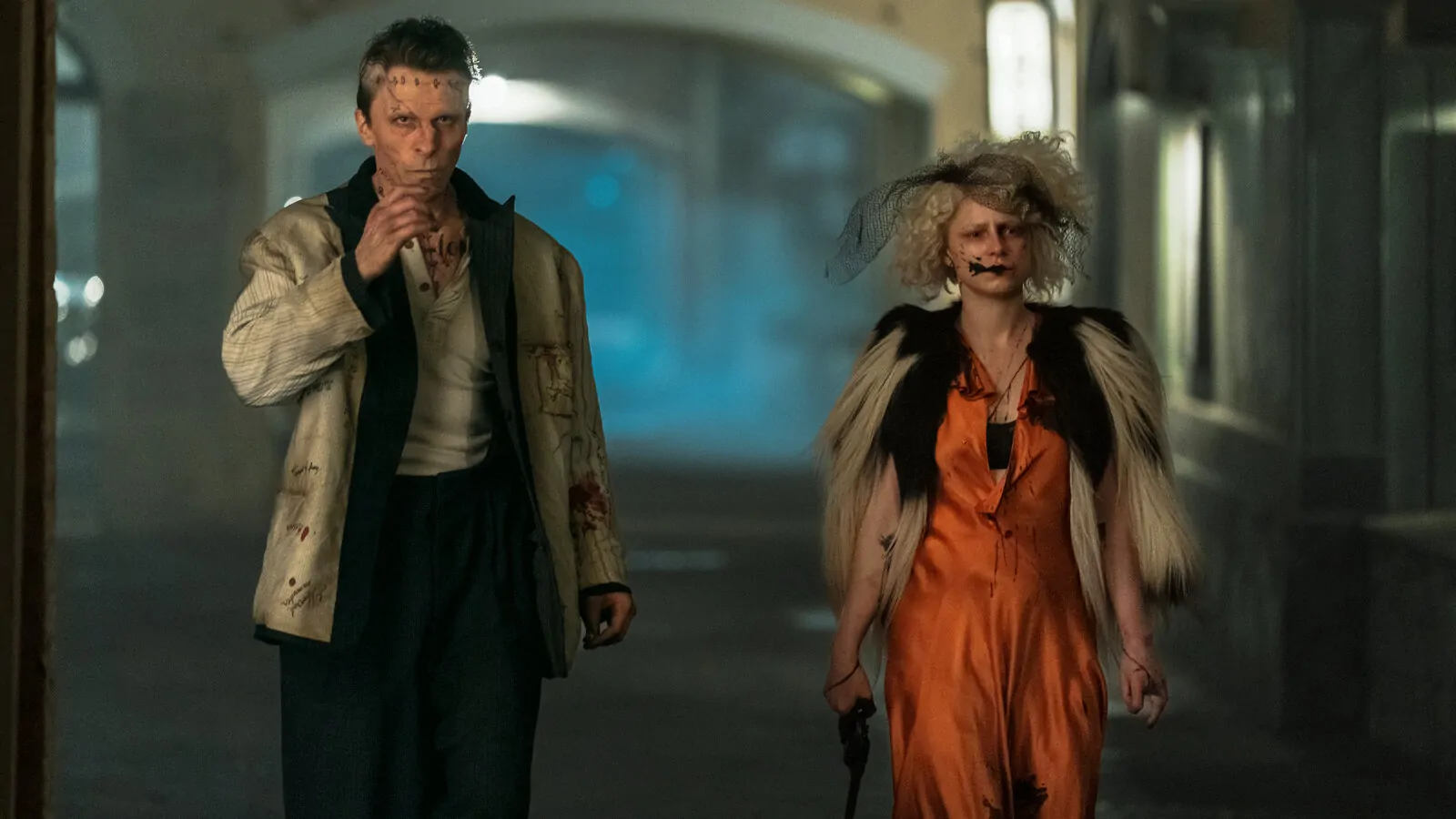
According to an article on the Company 3 website, the duo initially developed an elaborate LUT for Joker with help from Bogdanowicz’s Oscar‑winning Kodak color scientist father, Mitch Bogdanowicz. The LUT was intended to recreate the feeling of a 1970s film print, with subtle cyan hues in the shadows and warm, glowing highlights.
For The Bride!, Sher and Bogdanowicz built on the foundation of their original LUT, pushing it further and opening the palette to add depth and density. “Emulating black‑and‑white film is about more than just removing color,” Bogdanowicz explained.
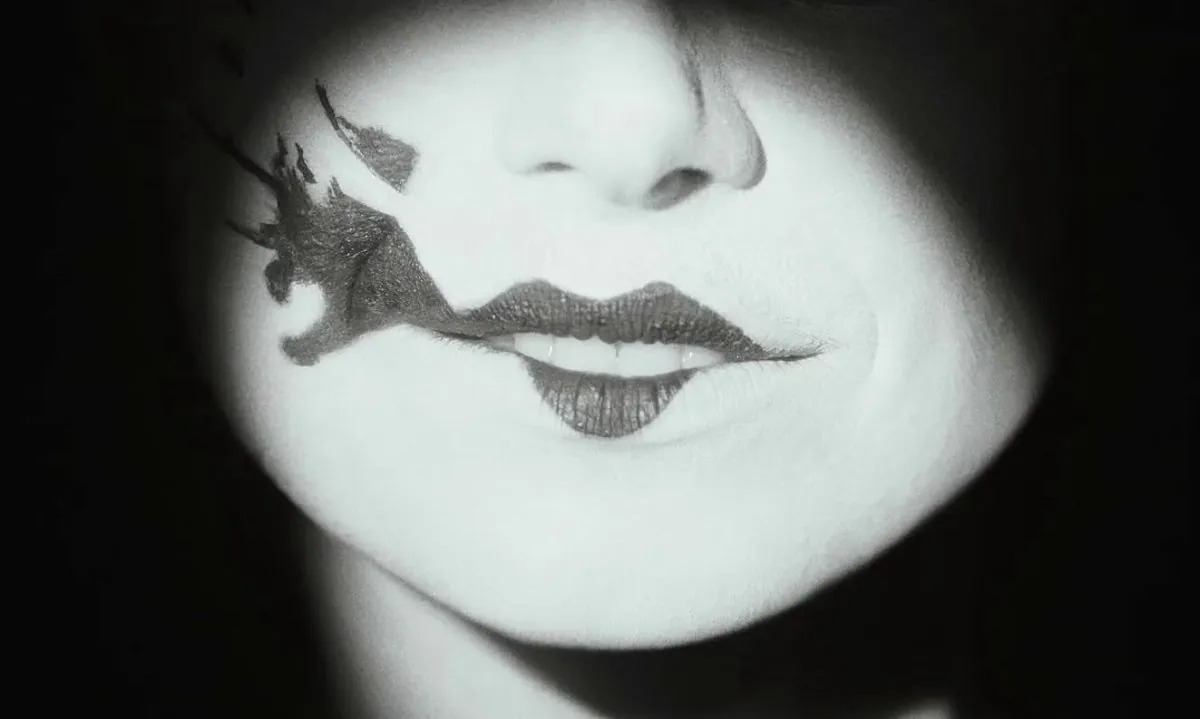
“We gave it a bit more contrast in the midtones; the way black‑and‑white film does.” Using extensive Power Windows in DaVinci Resolve to “dodge and burn,” Bogdanowicz selectively shaped light to emphasize faces or reduce background detail in those black-and-white segments. A technique she also used in color portions but applied more heavily in the film’s monochrome sequences.
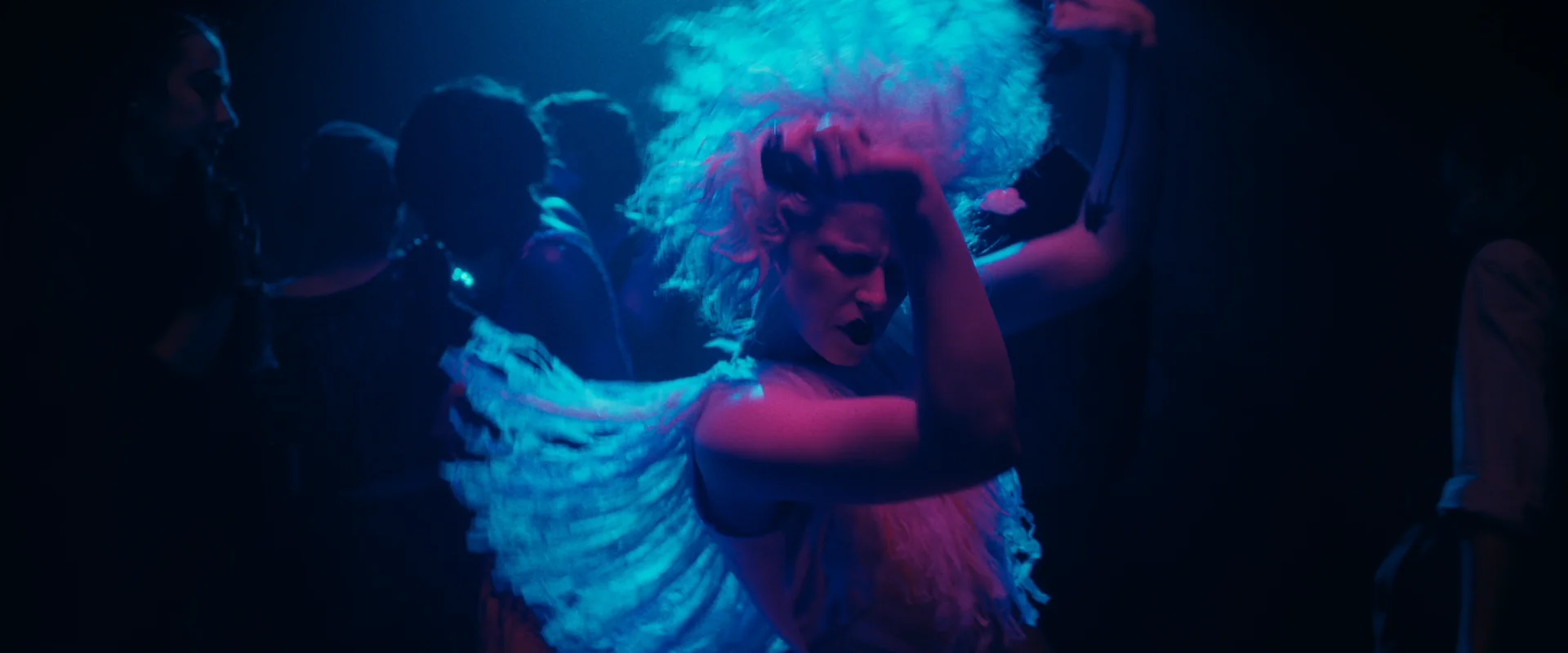
Personally, I continue to be so intrigued by DaVinci Resolve’s accessibility. Fifteen years ago, film students and independent filmmakers did not have access to the same pro tools studios were using. Looking at these three films as a microcosm of the industry — Queens of the Dead is a punk rock independent film using the same software as an $80–90 million film from major studio Warner Bros and a $120 million epic from Netflix. The fact that they used the same tools anywhere in the process, boggles the mind.
If you were around trying to make movies when this wasn’t the norm, this all feels like a wildly wonderful new frontier. Now, I’m not saying you can go out and make Frankenstein with an accessible camera and a free version of this software. But what I am saying is that so many barriers are being dismantled, and more people than ever can make art. That is a very good thing. And it’s an exciting prospect in terms of thinking about where independent filmmakers will take us over the next several years.
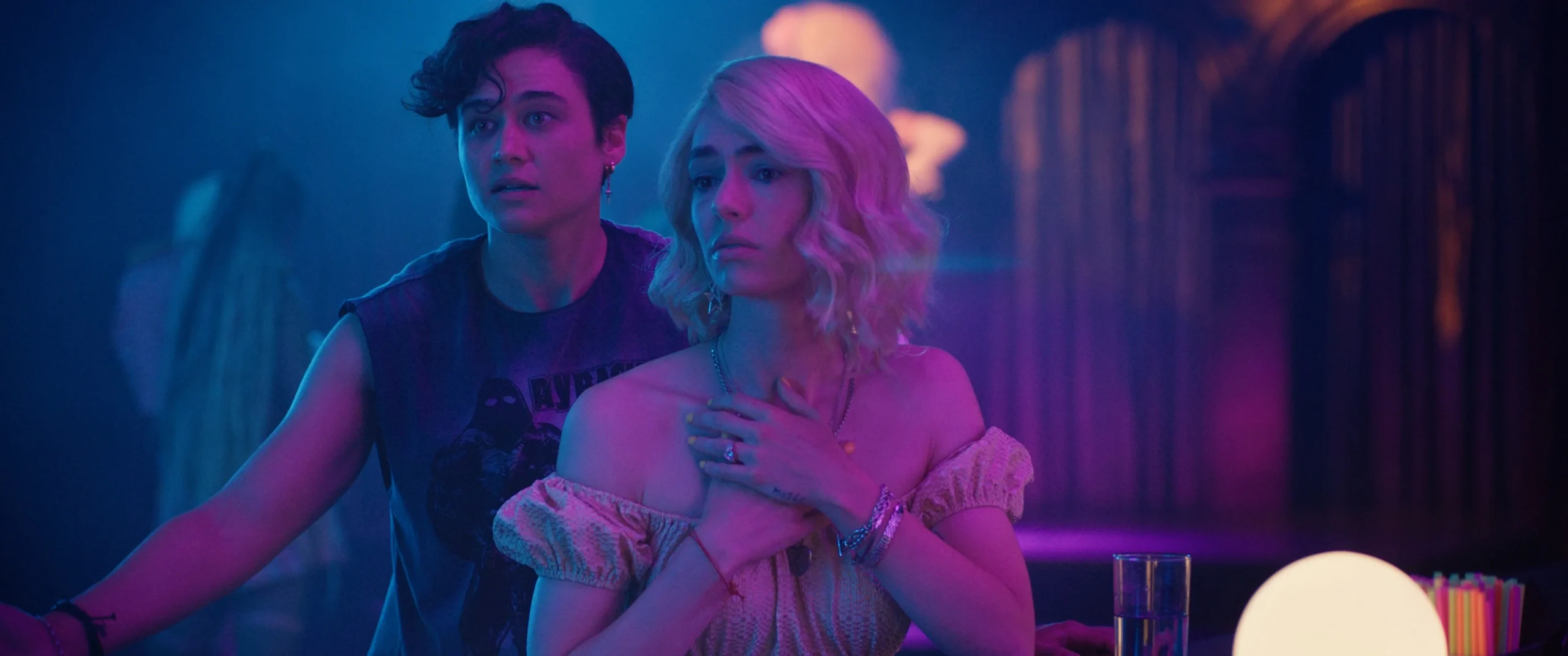
“It's so cool that the top colorists in Hollywood are using the same thing that somebody who knows nothing, who just wants to tinker in their basement, could literally download for free. That blows my mind. I came from a time when color didn't happen with consumer-friendly products, and one color system might be $300,000. Nobody was tinkering in their basement with that.”
For Litz, who has spent part of their roughly 15-year career working in post houses, making the software accessible has made freelancing possible. Not being tied to a $300,000 machine in a post house allows Litz to use the same software as a freelancer. “Because technology's changing, everything's changing. There's possibility in that. There are people who would have never had the option to color or play with color. Now it’s affordable, it's accessible. It makes freelance possible.”
Cheers to the artists who keep tinkering and the filmmakers who create inspiring magic. Tune in for the FANGORIA Chainsaw Awards, where we’ll feature these films and many others celebrating the best in horror. And get your hands on Blackmagic Design’s DaVinci Resolve. Filmmakers, enter below to win a Blackmagic Design Pocket Cinema Camera 6K Pro.
