
Last Updated on May 13, 2026 by Angel Melanson
The Dark Pictures Anthology series by Supermassive Games has been particularly polarizing for me. The shorter experiences in these games didn’t feel quite as well-paced as the Sony-published breakout Until Dawn or the 2K-backed summer blockbuster The Quarry—the lack of budget was comparatively apparent as the visuals and voice acting weren’t up to par with Supermassive’s best.
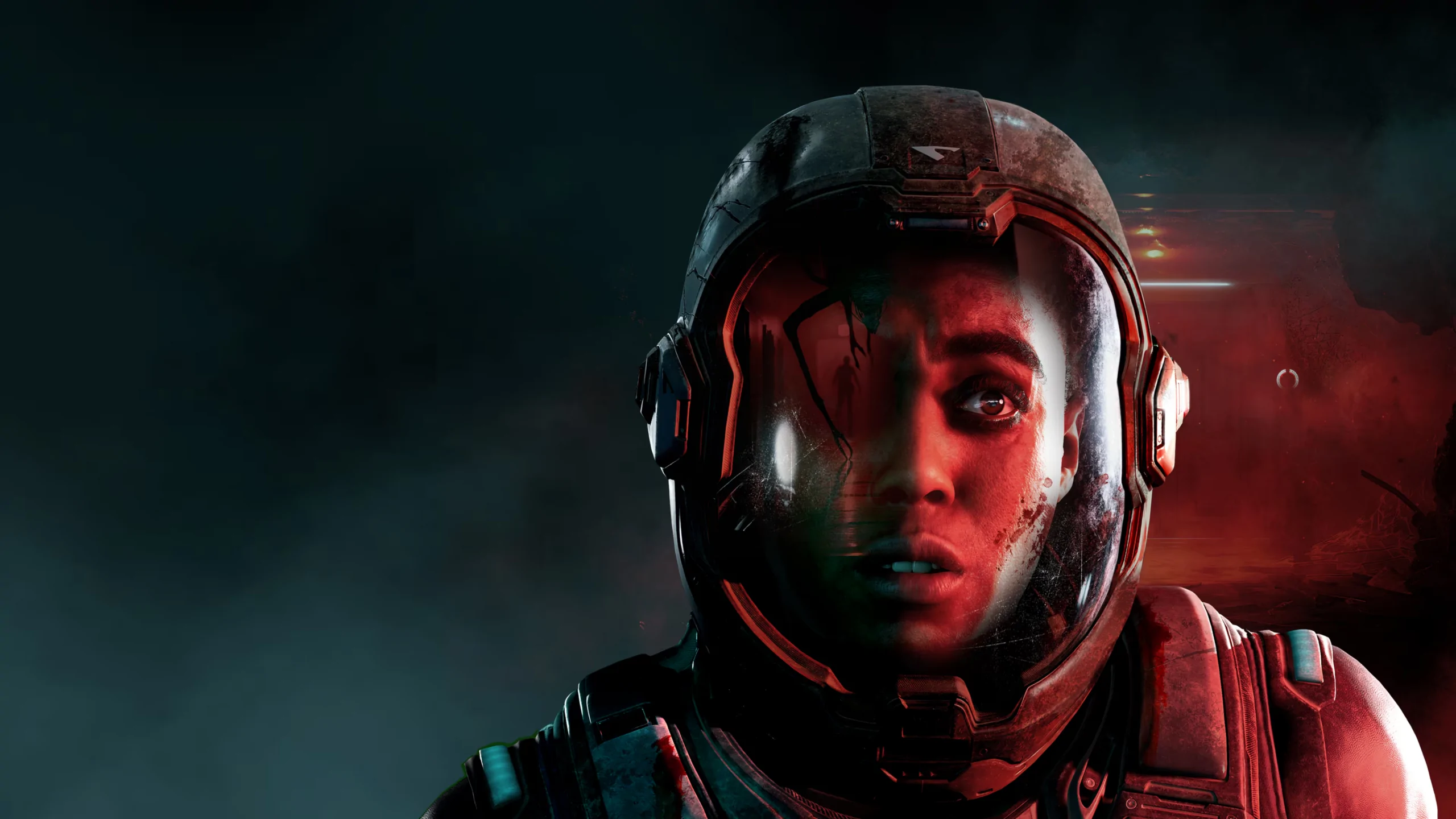
The newest entry in The Dark Pictures Anthology, Directive 8020, still has some of the same issues that plague previous games. However, it has one of the most engaging stories and worldbuilding in the series, making it a trip worth writing home about, even light-years away.
Directive 8020 is a survival horror game where characters can live or die at any moment depending on the player’s choices. This shapes how the story unfolds like a choose-your-own-adventure with various paths you can take to influence its ending.
The game follows a group of five characters on the spaceship Cassiopeia. After the ship crashes on the planet of Tau Ceti f, the crew must survive, figure out the alien threat that’s trying to kill them, and head home. Directive 8020 has one of the best mysteries in The Dark Pictures Anthology.
Its lore is as fascinating as the worldbuilding in House of Ashes, another highlight in the series. When I wasn’t being chased down by monsters, I enjoyed the moments of reprieve, looking around for collectibles. The creators expanded on Directive 8020’s world by providing context around Cassiopeia’s mission and more details about the alien. I was fascinated and wanted to absorb every bit of lore.


The enemy is a shapeshifter who can transform into crew members, sowing distrust and paranoia amongst the group. At any moment, there could be an imposter masquerading as any number of people on the ship. The dynamic and discord keep the tension and stakes high throughout the entire game.
It’s unfortunate that the main characters don’t really live up to their potential. The five playable characters include the co-pilot Brianna Young, the ship commander Nolan Stafford, senior mission officer Laura Eisele, medical specialist Samantha Cooper, and engineer Josef Cernan.
The captain-mentor relationship between Brianna and Nolan is by far the most interesting, as it offers a glimpse of optimism and humanity in this life-threatening situation that feels utterly hopeless. Laura and Samantha felt underdeveloped, while Josef feels like he’s just…there.

Overall, the cast is quite bland, and sometimes all I felt was apathy when one of them died, even when it was a result of my decisions. The acting feels stilted and wooden. It was hard to get invested in the characters when the voice actors sounded like they didn’t even want to be there.
Ironically, Until Dawn and The Quarry had campy B-movie vibes, but featured much more believable voiceovers. Directive 8020’s setting makes it feel like a dramatic space opera, so the bad acting sticks out like a sore thumb. Actress Lashana Lynch portrays Brianna as the leading star of the game, and she has the best performance of the bunch, but even she can’t save how boring the rest of the cast is.

Like previous games, Directive 8020 is still heavy with quick-time events, where players have to press button prompts in order to play out a cutscene. It also produces good jump scares that don’t happen too often, thankfully.
However, parts of Directive 8020’s gameplay have shifted to feel more like a modern stealth game. In these segments, you’ll hide behind cover to avoid the alien threat while making it across the room without being seen. While the first several were fine, there’s an overabundance of them in the last chapter that stalled the pacing for me when I just wanted to get through and see the ending.
The biggest change that comes with Directive 8020, however, is the new Turning Points system. It’s basically a narrative flow chart that shows you every single possible outcome of any decision you make, whether it’s leaving someone behind a door to die or failing a quick-time event. In previous games, outcomes were obscured, and finding a path to ensure everyone survived was a painstakingly slow endeavor.
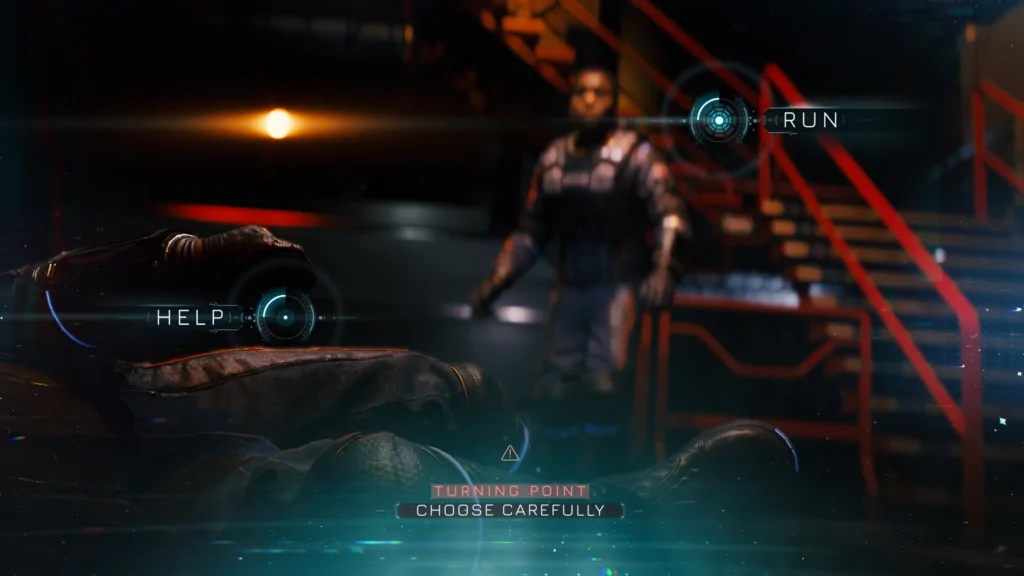
Here, Turning Points lays it all out, saving you a lot of time. You can return to specific points to make different decisions and see how the story develops. No longer do you have to replay the entire game, literally from start to finish, in order to see the possibilities. If a character dies, you can prevent that from happening by rewinding and choosing a different option.
It’s a welcome quality-of-life feature that makes Directive 8020 a much less daunting adventure. If players want the classic consequences-filled experience, Survivor Mode is available, where you’ll have to live with the choices you make, no reversals, even if a character dies. It’s the perfect way to cater to both casual and hardcore players.
Multiplayer returns as well, allowing up to five players to play online or in couch co-op. While I didn’t play this mode in Directive 8020, I have played it in past entries. Playing with friends is tremendously fun and perfectly emulates the communal movie-night feeling the horror genre is known for. It surprisingly elevates the experience and makes even the more mediocre Dark Pictures games enjoyable.
Despite a flat cast of characters, Directive 8020 succeeds in its tantalizing lore and setting. The alien lifeform threat adds plenty of intrigue and mystery to the story that could’ve otherwise been a horrific crash, just like the Cassiopeia. The new Turning Points feature is a genuine game-changer as well, making subsequent replays much smoother. If Supermassive could just nail another charismatic cast, as they’ve done in the past, Directive 8020 would mark a turning point for Dark Pictures, too.
